CHIP: Health Insurance for Children in Working Families
The Children’s Health Insurance Program (CHIP) provides low-cost health coverage for children in families that earn too much to qualify for Medicaid but cannot afford private insurance. Millions of children receive coverage through CHIP.
Who Qualifies?
- Children under age 19
- Family income above Medicaid limits but below CHIP limits (varies by state)
- Many states cover children in families earning up to 200-300% of poverty
- Must be uninsured (not covered by employer insurance)
What CHIP Covers
- Doctor visits and check-ups
- Immunizations
- Hospital care
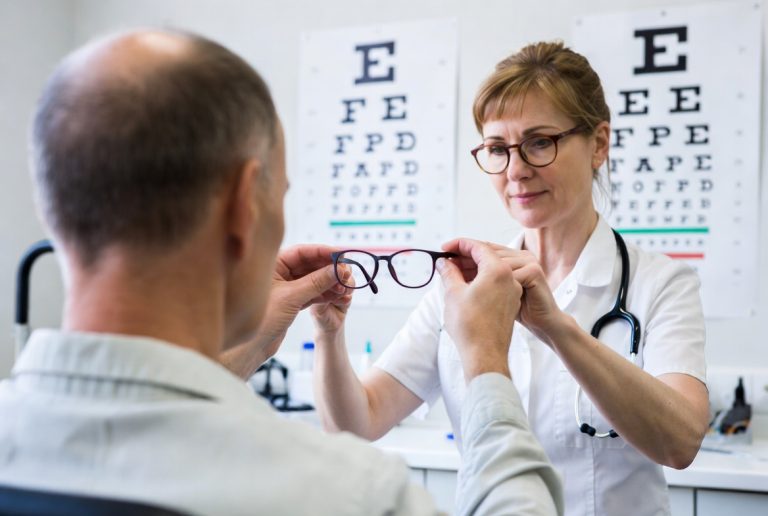
- Dental and vision care
- Mental health services
- Prescriptions
How to Apply
Apply online at Healthcare.gov, through your state’s Medicaid website, or by calling 1-877-KIDS-NOW (InsureKidsNow.gov). You can apply any time of year.
How CHIP Differs from Medicaid
While both CHIP and Medicaid provide health coverage for children, they serve different income brackets. Medicaid covers children in families with the lowest incomes, while CHIP extends coverage to children in families that earn too much to qualify for Medicaid but cannot afford private insurance. In most states, CHIP covers children in families earning up to 200 percent of the federal poverty level, though some states set the threshold as high as 300 percent or more. CHIP is jointly funded by the federal government and the states, and each state administers its own program under broad federal guidelines. Some states run CHIP as an extension of their Medicaid program, while others operate it as a separate program with its own rules and benefits. Regardless of the structure, CHIP provides comprehensive coverage that includes preventive care, immunizations, doctor visits, prescriptions, dental and vision care, inpatient and outpatient hospital care, laboratory and X-ray services, and emergency services.
What CHIP Covers
CHIP benefits are designed to give children access to the same quality of care that privately insured children receive. Every CHIP program must cover routine checkups, immunizations, doctor visits, hospitalizations, dental care, vision care, lab tests, and emergency room visits. Many state programs also cover mental health services, substance abuse treatment, and physical therapy. Prescription drug coverage is included in all CHIP plans, and most programs charge very low copayments or no copayments at all for children. Dental coverage under CHIP is particularly valuable because many private insurance plans either exclude dental care or offer only limited benefits. CHIP dental benefits typically include preventive services like cleanings and fluoride treatments, basic services like fillings, and major services like crowns and extractions. Vision coverage usually includes annual eye exams and one pair of glasses per year.
How to Apply for CHIP
Applying for CHIP is straightforward and can be done in several ways. You can apply online through your state’s Medicaid or CHIP website, by phone through your state’s toll-free hotline, by mail using a paper application, or in person at your local social services office. You can also apply through the federal Health Insurance Marketplace at HealthCare.gov, which will automatically screen your children for CHIP and Medicaid eligibility. When you apply, you will need to provide information about your household income, family size, and your children’s citizenship or immigration status. Most applications are processed within a few weeks, and coverage can begin immediately upon approval. Unlike the Marketplace open enrollment period, you can apply for CHIP at any time of the year. If your child is currently uninsured and your family income is modest, there is a strong chance your child qualifies for either CHIP or Medicaid, so it is well worth applying.
Costs and Renewal
One of the biggest advantages of CHIP is its affordability. Most CHIP programs charge no monthly premiums for children in the lowest income families, and even when premiums are required, they are typically between five and fifty dollars per month per family. Copayments for office visits and prescriptions are minimal, usually just a few dollars. There are no deductibles for most services, and annual out-of-pocket costs are capped at five percent of family income. CHIP coverage must be renewed periodically, usually every twelve months. Your state will send you a renewal notice before your coverage expires, and the process typically involves updating your income and household information. Some states use electronic data to automatically renew coverage without requiring you to submit paperwork. Make sure to respond promptly to any renewal notices to avoid a gap in your child’s coverage.
How CHIP Differs from Medicaid
While both CHIP and Medicaid provide health coverage for children, they serve different income brackets. Medicaid covers children in families with the lowest incomes, while CHIP extends coverage to children in families that earn too much to qualify for Medicaid but cannot afford private insurance. In most states, CHIP covers children in families earning up to 200 percent of the federal poverty level, though some states set the threshold as high as 300 percent or more. CHIP is jointly funded by the federal government and the states, and each state administers its own program under broad federal guidelines. Some states run CHIP as an extension of their Medicaid program, while others operate it as a separate program with its own rules and benefits. Regardless of the structure, CHIP provides comprehensive coverage that includes preventive care, immunizations, doctor visits, prescriptions, dental and vision care, inpatient and outpatient hospital care, laboratory and X-ray services, and emergency services.
What CHIP Covers
CHIP benefits are designed to give children access to the same quality of care that privately insured children receive. Every CHIP program must cover routine checkups, immunizations, doctor visits, hospitalizations, dental care, vision care, lab tests, and emergency room visits. Many state programs also cover mental health services, substance abuse treatment, and physical therapy. Prescription drug coverage is included in all CHIP plans, and most programs charge very low copayments or no copayments at all for children. Dental coverage under CHIP is particularly valuable because many private insurance plans either exclude dental care or offer only limited benefits. CHIP dental benefits typically include preventive services like cleanings and fluoride treatments, basic services like fillings, and major services like crowns and extractions. Vision coverage usually includes annual eye exams and one pair of glasses per year.
How to Apply for CHIP
Applying for CHIP is straightforward and can be done in several ways. You can apply online through your state’s Medicaid or CHIP website, by phone through your state’s toll-free hotline, by mail using a paper application, or in person at your local social services office. You can also apply through the federal Health Insurance Marketplace at HealthCare.gov, which will automatically screen your children for CHIP and Medicaid eligibility. When you apply, you will need to provide information about your household income, family size, and your children’s citizenship or immigration status. Most applications are processed within a few weeks, and coverage can begin immediately upon approval. Unlike the Marketplace open enrollment period, you can apply for CHIP at any time of the year. If your child is currently uninsured and your family income is modest, there is a strong chance your child qualifies for either CHIP or Medicaid, so it is well worth applying.
Costs and Renewal
One of the biggest advantages of CHIP is its affordability. Most CHIP programs charge no monthly premiums for children in the lowest income families, and even when premiums are required, they are typically between five and fifty dollars per month per family. Copayments for office visits and prescriptions are minimal, usually just a few dollars. There are no deductibles for most services, and annual out-of-pocket costs are capped at five percent of family income. CHIP coverage must be renewed periodically, usually every twelve months. Your state will send you a renewal notice before your coverage expires, and the process typically involves updating your income and household information. Some states use electronic data to automatically renew coverage without requiring you to submit paperwork. Make sure to respond promptly to any renewal notices to avoid a gap in your child’s coverage.