LIHEAP Explained: How to Get Help Paying Your Heating Bills
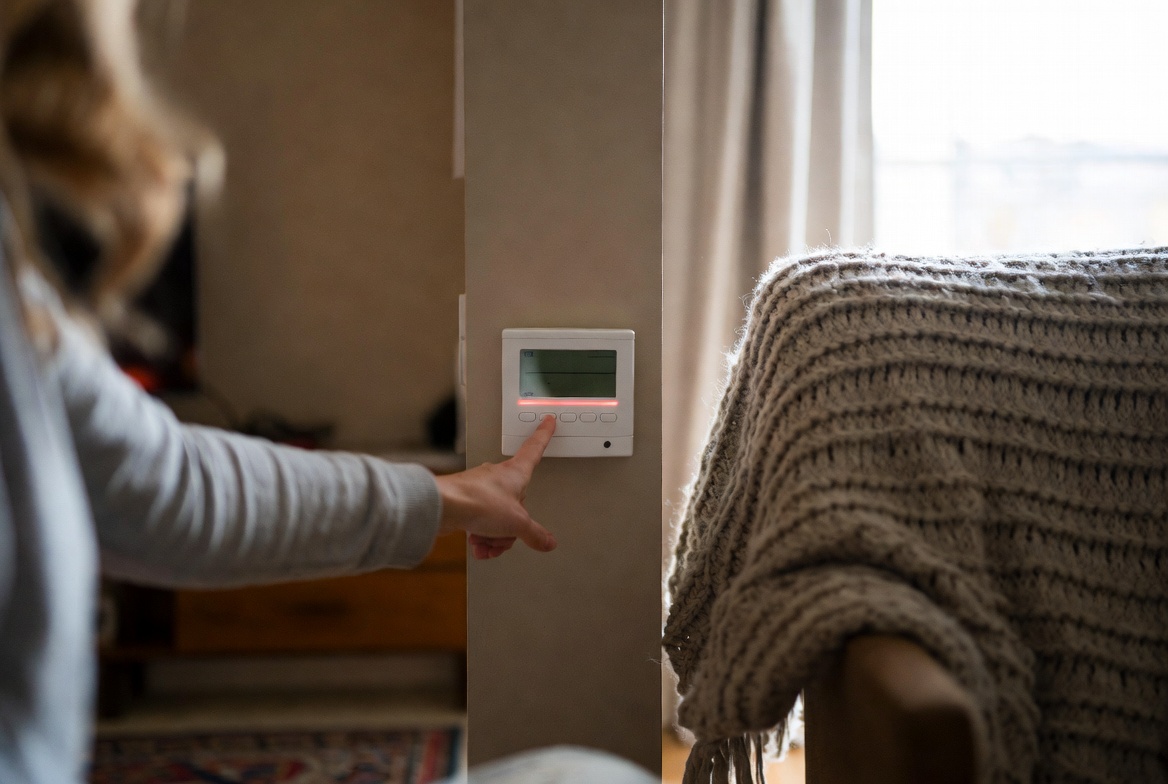
As temperatures drop, heating bills can become a major financial burden for families already stretched thin. The Low Income Home Energy Assistance Program (LIHEAP) helps millions of households afford their energy costs each year. If you’re struggling to keep up with utility bills, this guide explains how LIHEAP can help and how to apply.
What Is LIHEAP?
LIHEAP is a federally funded program that helps low-income households with their energy costs. While it’s commonly associated with heating assistance, the program actually covers several types of energy needs:
- Heating bill assistance during cold months
- Cooling assistance during summer heat waves
- Crisis assistance for energy emergencies
- Weatherization services to reduce energy costs long-term
- Help preventing utility shutoffs
Who Qualifies for LIHEAP?
Eligibility is based on household income and varies by state. Generally, to qualify your household income must be at or below 150% of the federal poverty level, though some states set higher limits.
- Households at or below 150% of federal poverty level (some states allow up to 60% of state median income)
- Homeowners and renters both qualify
- You must be responsible for paying home energy costs
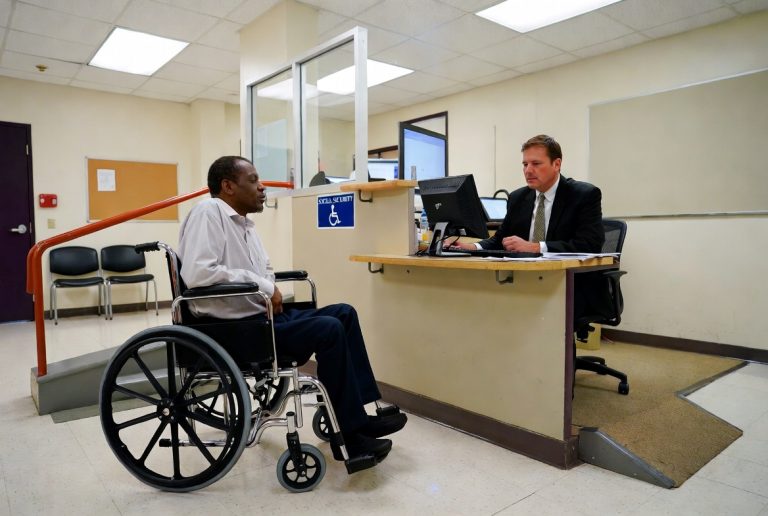
- Households with elderly, disabled, or young children often receive priority
- If you receive SNAP, SSI, or TANF, you may automatically qualify
How Much Help Can You Get?
Benefit amounts vary widely based on your state, income level, household size, and energy costs. The national average benefit is around $500 per year, but amounts can range from $200 to over $1,000 depending on circumstances.
- Benefits are usually paid directly to your utility company
- Some states offer multiple payments throughout the heating season
- Crisis assistance may provide additional one-time help
- Benefits don’t need to be repaid—it’s not a loan
How to Apply for LIHEAP
Since LIHEAP is administered by states, the application process varies by location. Applications typically open in fall before the heating season begins, so apply early—funds run out quickly.
- Find your state’s LIHEAP program at energyassistance.gov
- Contact your local Community Action Agency
- Apply through your state’s human services department
- Some states allow online applications
Documents You’ll Need
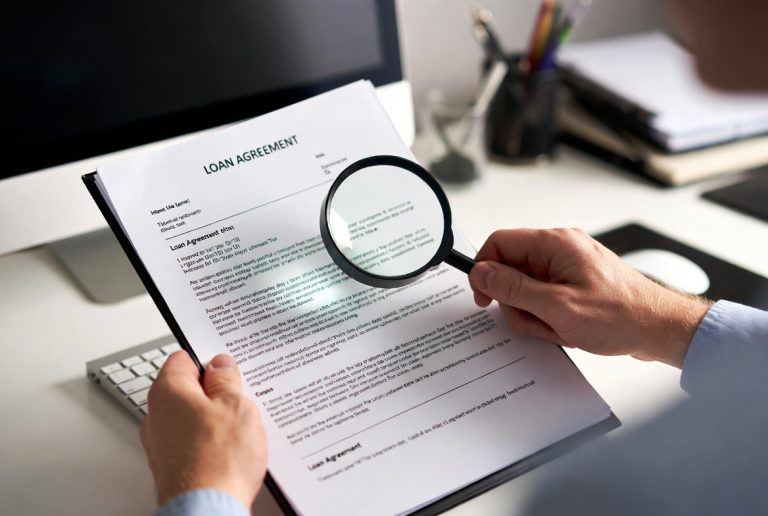
Gather these documents before applying to make the process smoother:
- Proof of income for all household members (pay stubs, benefit letters, tax returns)
- Recent utility bills or statement of energy costs
- Social Security numbers for all household members
- Proof of residence (lease, mortgage statement, or utility bill)
- Photo ID for the head of household
Emergency Energy Assistance
If you’re facing a utility shutoff or have already been disconnected, LIHEAP crisis assistance may be available year-round. Contact your local agency immediately if you’re in an energy emergency—they may be able to help restore your service quickly.
Other Programs That Can Help
LIHEAP isn’t the only resource for energy assistance. Consider these additional programs:
- Utility company payment plans and discount programs
- Weatherization Assistance Program for home energy improvements
- State-specific utility assistance programs
- Local charity and nonprofit energy funds
- Salvation Army and St. Vincent de Paul emergency assistance
Don’t wait until you’re in crisis to seek help. Apply for LIHEAP early in the season to ensure you receive assistance when you need it most. Staying warm shouldn’t mean choosing between heat and other necessities like food and medicine.
LIHEAP Crisis Assistance
In addition to regular heating assistance, LIHEAP offers crisis assistance for households facing energy emergencies. If your utilities have already been shut off, or you have received a disconnection notice, crisis assistance can help restore or maintain your service quickly. Crisis assistance is typically processed faster than regular LIHEAP applications because of the urgent nature of the need.
Some states also offer LIHEAP cooling assistance during the summer months to help with air conditioning costs. This is especially important for elderly residents and people with medical conditions that make them vulnerable to extreme heat. Contact your local LIHEAP office to find out if cooling assistance is available in your area and when the application period opens.