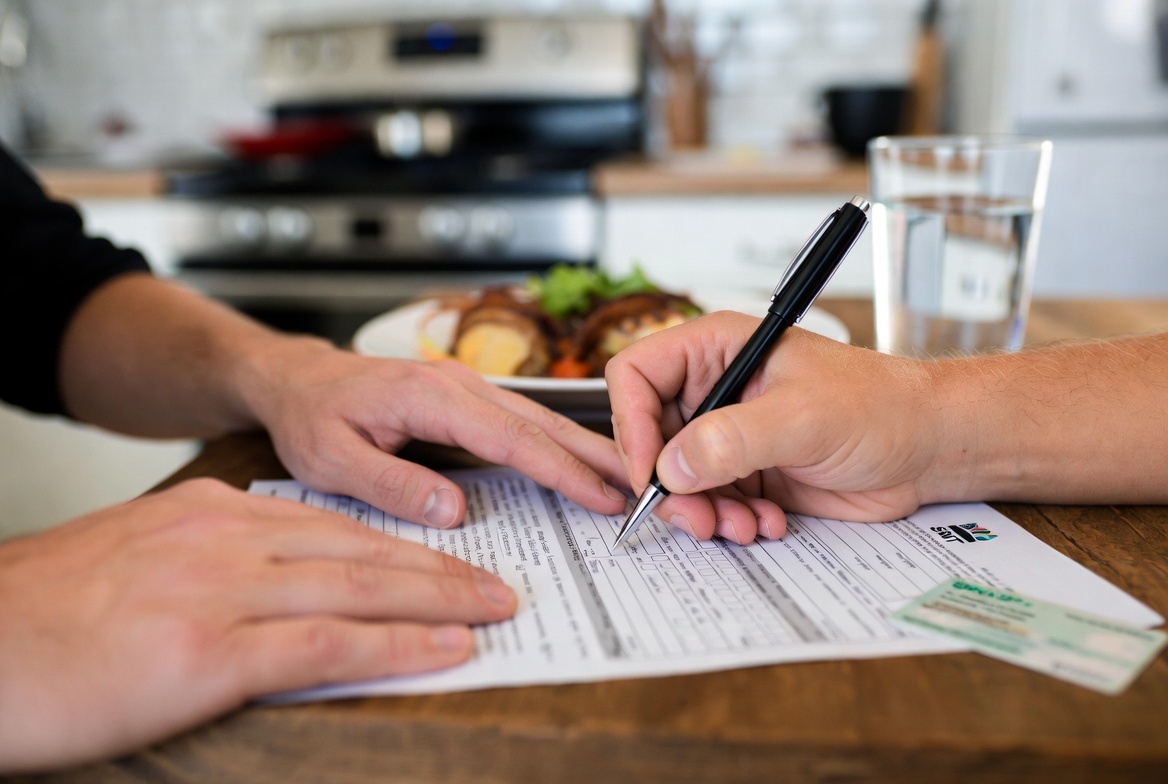
How to Apply for SNAP Benefits: A Step-by-Step Guide
The Supplemental Nutrition Assistance Program (SNAP), formerly known as food stamps, helps millions of Americans afford groceries each month. If you are struggling to put food on the table, here is everything you need to know about applying.
Who Qualifies for SNAP?
SNAP eligibility is based on your household size and gross monthly income. Generally, your gross income must be at or below 130% of the federal poverty level. For a family of four, that is approximately $3,250 per month in 2024.
What Documents Do You Need?
- Photo ID for all adult household members
- Social Security numbers for everyone applying
- Proof of income (pay stubs, benefit letters)
- Proof of residence (utility bill, lease)
- Proof of expenses (rent, utilities, childcare)
How to Apply
Online: Most states allow you to apply through your state benefits website. Search for “[Your State] SNAP application” to find the portal.
In Person: Visit your local Department of Social Services or Human Services office.
By Phone: Call your local office to request an application or start the process over the phone.
What Happens After You Apply?
After submitting your application, you will typically have an interview (phone or in-person) with a caseworker. Decisions are usually made within 30 days, or 7 days for emergency situations.
Understanding SNAP Benefit Amounts
The amount of SNAP benefits you receive depends on several factors including your household size, income, and allowable deductions. As of 2024, the maximum monthly allotment for a single person is approximately $291, while a family of four can receive up to $973. Most households receive less than the maximum because benefits are calculated based on your net income after deductions.
Common Deductions That Increase Your Benefits
When calculating your SNAP benefits, caseworkers subtract certain deductions from your gross income. These deductions can significantly increase your monthly benefit amount. Standard deductions include a portion of your earned income (20% is excluded), a standard deduction that varies by household size, dependent care costs for children or disabled household members, legally owed child support payments, and excess shelter costs including rent, mortgage, property taxes, and utilities that exceed half of your adjusted income.
Special Rules for Elderly and Disabled Households
If anyone in your household is elderly (age 60 or older) or receives disability benefits, your household may qualify under more generous rules. These households are only required to meet the net income limit, not the gross income limit. They can also deduct medical expenses over $35 per month, which can include prescription costs, medical equipment, transportation to medical appointments, and health insurance premiums. This often results in higher benefit amounts for these households.
Using Your EBT Card Wisely
Once approved, your benefits are loaded onto an Electronic Benefits Transfer (EBT) card each month. You can use this card at most grocery stores, supermarkets, and some farmers markets. SNAP benefits can be used to purchase fruits, vegetables, meat, dairy, bread, cereals, seeds and plants that produce food, and non-alcoholic beverages. You cannot use SNAP to buy alcohol, tobacco, vitamins, hot prepared foods, or non-food items like cleaning supplies or pet food.
Keeping Your Benefits Active
SNAP benefits must be recertified periodically, usually every 6 to 12 months depending on your state and circumstances. You will receive a notice before your benefits expire with instructions on how to recertify. Report any changes in income, household size, or address to your caseworker promptly, as failing to report changes can lead to overpayment issues. If your income decreases or your household grows, contact your local office right away because you may be eligible for increased benefits.
If your application is denied, do not give up. You have the right to request a fair hearing to appeal the decision within a set timeframe, usually 90 days. Many denials result from missing documents or processing errors that can be resolved quickly. Contact your local Legal Aid office for free assistance with SNAP appeals if needed.
Understanding SNAP Benefit Amounts
The amount of SNAP benefits you receive depends on several factors including your household size, income, and allowable deductions. As of 2024, the maximum monthly allotment for a single person is approximately $291, while a family of four can receive up to $973. Most households receive less than the maximum because benefits are calculated based on your net income after deductions.
Common Deductions That Increase Your Benefits
When calculating your SNAP benefits, caseworkers subtract certain deductions from your gross income. These deductions can significantly increase your monthly benefit amount. Standard deductions include a portion of your earned income (20% is excluded), a standard deduction that varies by household size, dependent care costs for children or disabled household members, legally owed child support payments, and excess shelter costs including rent, mortgage, property taxes, and utilities that exceed half of your adjusted income.
Special Rules for Elderly and Disabled Households
If anyone in your household is elderly (age 60 or older) or receives disability benefits, your household may qualify under more generous rules. These households are only required to meet the net income limit, not the gross income limit. They can also deduct medical expenses over $35 per month, which can include prescription costs, medical equipment, transportation to medical appointments, and health insurance premiums. This often results in higher benefit amounts for these households.
Using Your EBT Card Wisely
Once approved, your benefits are loaded onto an Electronic Benefits Transfer (EBT) card each month. You can use this card at most grocery stores, supermarkets, and some farmers markets. SNAP benefits can be used to purchase fruits, vegetables, meat, dairy, bread, cereals, seeds and plants that produce food, and non-alcoholic beverages. You cannot use SNAP to buy alcohol, tobacco, vitamins, hot prepared foods, or non-food items like cleaning supplies or pet food.
Keeping Your Benefits Active
SNAP benefits must be recertified periodically, usually every 6 to 12 months depending on your state and circumstances. You will receive a notice before your benefits expire with instructions on how to recertify. Report any changes in income, household size, or address to your caseworker promptly, as failing to report changes can lead to overpayment issues. If your income decreases or your household grows, contact your local office right away because you may be eligible for increased benefits.
Use our Eligibility Screener to see if you might qualify, or our Document Checklist to prepare your paperwork.