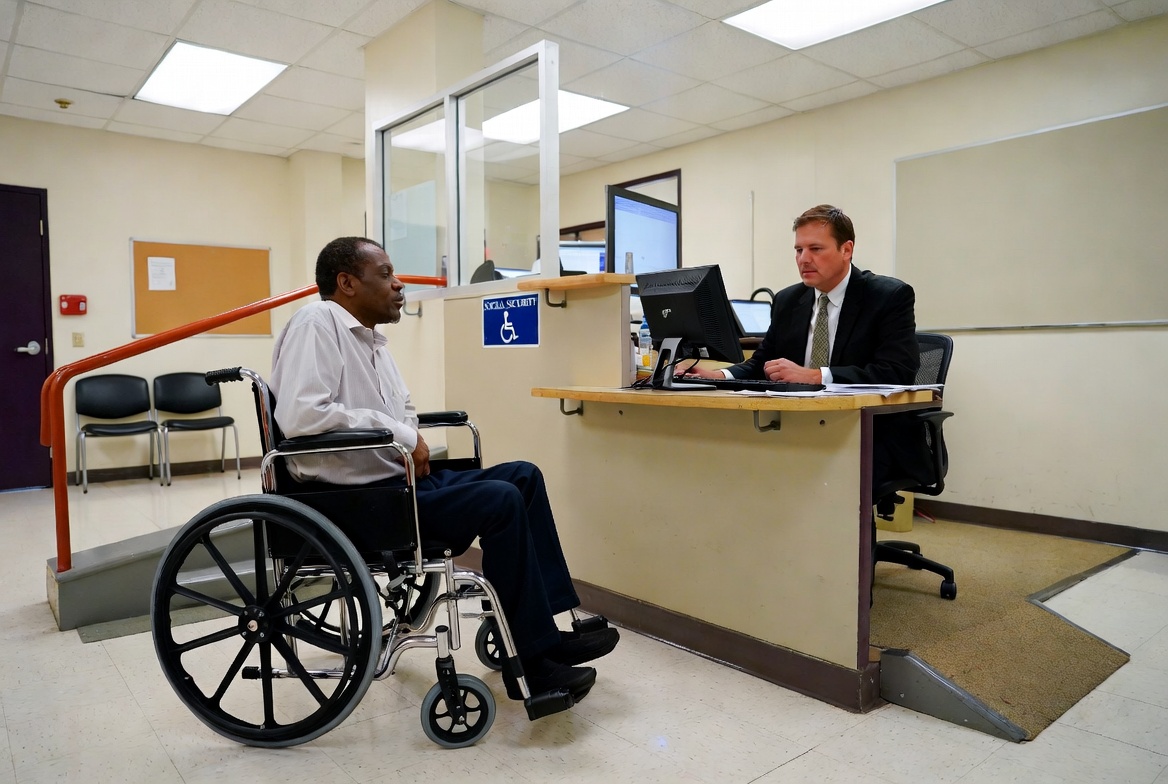
How to Apply for SSI: Supplemental Security Income Explained
Supplemental Security Income (SSI) provides monthly cash benefits to elderly, blind, or disabled people with limited income and resources. Understanding how to apply successfully can help you access benefits you deserve.
Who Qualifies for SSI?
- Adults 65 or older with limited income and resources
- Adults or children who are blind
- Adults or children with a qualifying disability
- U.S. citizens or certain qualified non-citizens
- Resources below $2,000 (individual) or $3,000 (couple)
Current Benefit Amounts
In 2025, the maximum federal SSI payment is $967 per month for individuals and $1,450 for couples. Some states add a supplemental payment. Your actual benefit depends on your other income and living situation.
How to Apply
Apply by calling Social Security at SSA.gov, visiting your local Social Security office, or starting online at SSA.gov. Gather these documents:
- Social Security card or number
- Birth certificate or proof of age
- Medical records and doctor contact information
- Work history for the past 15 years
- Bank statements and financial records
Tips for a Successful Application
- Be thorough about your medical conditions and limitations
- List all medications and treatments
- Include all doctors and hospitals that have treated you
- If denied, appeal – many claims are approved on appeal
- Consider working with a disability advocate or attorney
The application process can take several months. Apply as soon as you think you might qualify, as benefits can be backdated to your application date.
SSI Eligibility Requirements Explained
To qualify for SSI, you must meet both medical and financial criteria. For adults, you must have a physical or mental condition that prevents you from working and is expected to last at least 12 months or result in death. For children under 18, the condition must result in marked and severe functional limitations. Elderly applicants aged 65 and older can qualify based on age alone without proving disability, though they still must meet the financial requirements.
The financial requirements for SSI are strict. As of 2024, individuals must have countable resources below $2,000 and couples below $3,000. Resources include bank accounts, cash, stocks, and property other than your primary home and one vehicle. Your countable income must also be limited, as SSI benefits are reduced dollar-for-dollar by most unearned income above $20 per month and by earned income above $65 per month after certain deductions. The maximum federal SSI payment is $943 per month for individuals and $1,415 for couples, though many states add a supplement.
Building a Strong SSI Application
The strength of your SSI application largely depends on your medical evidence. Before applying, gather all medical records, doctor’s notes, hospital discharge summaries, and test results that document your condition. The Social Security Administration will request records from your healthcare providers, but having copies available can speed up the process. If you have not seen a doctor recently, try to establish care through a community health center or free clinic before applying.
When describing your limitations, be specific and honest. Rather than saying you cannot work, explain exactly what you cannot do. Describe how your condition affects your ability to sit, stand, walk, lift, concentrate, remember instructions, and interact with others throughout a typical day. Keep a symptom diary documenting your worst days, including pain levels, medications taken, and activities you could not perform. This detailed information helps disability examiners understand the true impact of your condition.
What to Do If Your Application Is Denied
Approximately 60 to 70 percent of initial SSI applications are denied, so a denial does not mean you should give up. You have 60 days from receiving the denial to file an appeal. The first level of appeal is reconsideration, where a different examiner reviews your case. If denied again, you can request a hearing before an administrative law judge, which is where many cases are finally approved. Hearings have significantly higher approval rates than initial applications.
Legal representation can dramatically improve your chances of approval. Disability attorneys and advocates typically work on contingency, meaning they only get paid if you win your case. Their fee is limited by law to 25 percent of back pay or $7,200, whichever is less. Free legal help is also available through legal aid organizations and disability rights groups in most states. Organizations like the National Organization of Social Security Claimants’ Representatives can help you find qualified representation in your area.
SSI Eligibility Requirements Explained
To qualify for SSI, you must meet both medical and financial criteria. For adults, you must have a physical or mental condition that prevents you from working and is expected to last at least 12 months or result in death. For children under 18, the condition must result in marked and severe functional limitations. Elderly applicants aged 65 and older can qualify based on age alone without proving disability, though they still must meet the financial requirements.
The financial requirements for SSI are strict. As of 2024, individuals must have countable resources below $2,000 and couples below $3,000. Resources include bank accounts, cash, stocks, and property other than your primary home and one vehicle. Your countable income must also be limited, as SSI benefits are reduced dollar-for-dollar by most unearned income above $20 per month and by earned income above $65 per month after certain deductions. The maximum federal SSI payment is $943 per month for individuals and $1,415 for couples, though many states add a supplement.
Building a Strong SSI Application
The strength of your SSI application largely depends on your medical evidence. Before applying, gather all medical records, doctor’s notes, hospital discharge summaries, and test results that document your condition. The Social Security Administration will request records from your healthcare providers, but having copies available can speed up the process. If you have not seen a doctor recently, try to establish care through a community health center or free clinic before applying.
When describing your limitations, be specific and honest. Rather than saying you cannot work, explain exactly what you cannot do. Describe how your condition affects your ability to sit, stand, walk, lift, concentrate, remember instructions, and interact with others throughout a typical day. Keep a symptom diary documenting your worst days, including pain levels, medications taken, and activities you could not perform. This detailed information helps disability examiners understand the true impact of your condition.
What to Do If Your Application Is Denied
Approximately 60 to 70 percent of initial SSI applications are denied, so a denial does not mean you should give up. You have 60 days from receiving the denial to file an appeal. The first level of appeal is reconsideration, where a different examiner reviews your case. If denied again, you can request a hearing before an administrative law judge, which is where many cases are finally approved. Hearings have significantly higher approval rates than initial applications.
Legal representation can dramatically improve your chances of approval. Disability attorneys and advocates typically work on contingency, meaning they only get paid if you win your case. Their fee is limited by law to 25 percent of back pay or $7,200, whichever is less. Free legal help is also available through legal aid organizations and disability rights groups in most states. Organizations like the National Organization of Social Security Claimants’ Representatives can help you find qualified representation in your area.