Aging in Place: Home Modification Programs for Seniors
Most older adults want to remain in their own homes as they age rather than moving to an assisted living facility or nursing home. Aging in place allows you to maintain your independence, stay connected to your community, and live in the comfort of familiar surroundings. However, many homes were not designed with the needs of older adults in mind, and simple modifications can make the difference between staying safely at home and facing a dangerous fall or being forced to relocate.
The good news is that numerous federal, state, and local programs can help pay for home modifications that make your home safer and more accessible. From installing grab bars in the bathroom to widening doorways for wheelchair access, these programs help seniors stay in their homes longer while reducing the risk of injury.
Common Home Modifications for Aging in Place
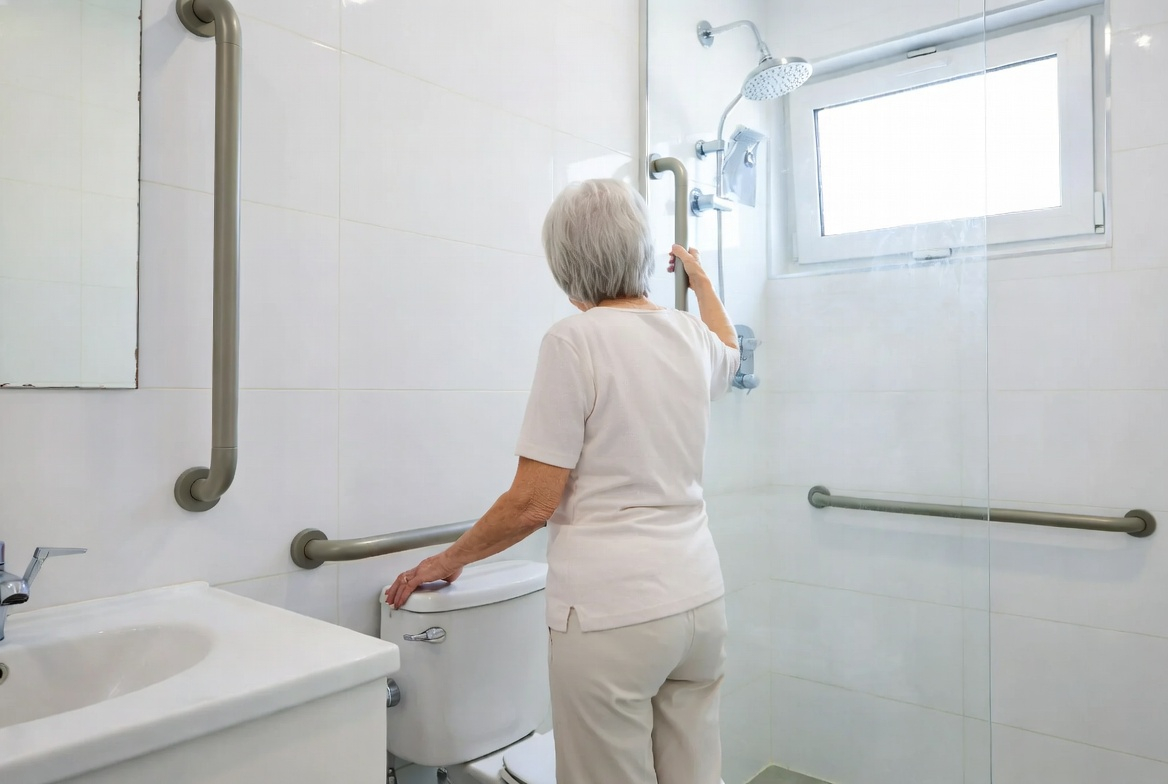
Home modifications range from simple, inexpensive changes to more extensive renovations, depending on your needs and physical abilities. Bathroom modifications are among the most important because bathrooms are where the majority of home falls occur. Common bathroom modifications include installing grab bars near the toilet and in the shower or tub, adding a walk-in shower or shower seat, installing a raised toilet seat, and improving lighting.
Kitchen modifications can include lowering countertops and cabinets for wheelchair users, installing pull-out shelves and lazy Susans for easier access, adding lever-style handles to faucets and cabinets, and improving task lighting. Throughout the home, modifications might include installing handrails on both sides of staircases, removing trip hazards like loose rugs and raised thresholds, widening doorways for wheelchair or walker access, and adding non-slip flooring.
Exterior modifications such as building wheelchair ramps, improving outdoor lighting, installing handrails on porches and steps, and creating a no-step entry can make entering and leaving your home much safer. Smart home technology, including voice-activated lighting, video doorbells, and medical alert systems, can also enhance safety and independence.
Federal Programs That Help Pay for Modifications
HUD Section 202 Supportive Housing for the Elderly. While primarily a housing program, Section 202 properties often include accessible design features. If you are considering moving to a senior-specific housing community, these properties are designed with aging in place in mind.
USDA Rural Development Home Repair Loans and Grants. If you live in a rural area and are age 62 or older with very low income, you may qualify for a grant of up to $10,000 through the USDA’s Section 504 program to make essential home repairs and modifications. The program also offers loans at a 1 percent interest rate for homeowners who do not qualify for the grant portion. Contact your local USDA Rural Development office to apply.
HUD’s Community Development Block Grants (CDBG). Many cities and counties use CDBG funding to operate home repair and modification programs for low-income residents, including seniors. These programs may cover grab bar installation, accessibility modifications, weatherization, plumbing and electrical repairs, and other essential improvements. Contact your local city or county housing department to learn about CDBG-funded programs in your area.
VA Home Modification Programs. Veterans with service-connected disabilities may qualify for several VA programs that help modify their homes. The Specially Adapted Housing (SAH) grant provides up to $109,986 for significant modifications. The Special Housing Adaptation (SHA) grant provides up to $44,299 for modifications to a home the veteran is living in. The Home Improvements and Structural Alterations (HISA) grant provides up to $6,800 for modifications related to a service-connected disability. Contact your local VA regional office for details.
State and Local Programs
Many states operate their own home modification programs for seniors, often funded through a combination of state dollars and Older Americans Act funding. These programs are typically administered through your local Area Agency on Aging and may provide direct services, grants, or referrals to qualified contractors.
Some states have specific programs worth highlighting. Several states offer property tax exemptions or credits for home modifications that improve accessibility. State housing finance agencies may offer low-interest loans for home repairs and modifications. State Medicaid programs may cover certain home modifications as part of home and community-based services waivers.
To find programs in your state, contact your local Area Agency on Aging by calling the Eldercare Locator at 1-800-677-1116. You can also search for state programs at benefits.gov or contact your state housing authority.
Nonprofit and Community Resources
Rebuilding Together. This national nonprofit organization provides free home repairs and modifications to low-income homeowners, with a focus on seniors, veterans, and people with disabilities. Their volunteer teams perform repairs ranging from installing grab bars and handrails to major accessibility renovations. Visit rebuildingtogether.org to find an affiliate in your area.
Habitat for Humanity. Known primarily for building new homes, Habitat for Humanity also operates home repair programs in many communities. Their Aging in Place and home preservation programs help low-income seniors make critical repairs and modifications. Contact your local Habitat affiliate to learn about available programs.
Local service organizations. Lions Clubs, Kiwanis Clubs, Rotary Clubs, church groups, and other civic organizations sometimes sponsor home repair projects for seniors in their communities. While these are not formal programs with guaranteed availability, reaching out to local service organizations can sometimes connect you with volunteer assistance for smaller modifications.
Medicaid and Medicare Coverage
Original Medicare generally does not cover home modifications. However, some Medicare Advantage plans include supplemental benefits that may cover home modifications such as grab bar installation, ramp construction, and other safety improvements. Check with your Medicare Advantage plan to see if these benefits are available.
Medicaid may cover home modifications through Home and Community-Based Services (HCBS) waivers. These waiver programs are designed to help people avoid institutionalization by providing services that allow them to remain at home. Eligible modifications might include wheelchair ramps, bathroom modifications, widened doorways, and other accessibility improvements. Eligibility requirements and covered services vary significantly by state.
Getting Started with a Home Assessment
Before making modifications, consider having a professional home assessment. An occupational therapist or certified aging-in-place specialist can evaluate your home and recommend specific modifications based on your current needs and anticipated future needs. Some Area Agencies on Aging offer free home safety assessments for seniors.
You can also do a basic self-assessment by walking through each room of your home and identifying potential hazards. Look for loose rugs, poor lighting, steps without handrails, hard-to-reach items, and areas where you feel unstable. The National Association of Home Builders offers a free aging-in-place checklist on their website that can guide your assessment.
Making your home safer does not have to happen all at once. Start with the highest priority modifications, like bathroom grab bars and improved lighting, and add more over time as your budget and program eligibility allow. Even small changes can significantly reduce your risk of falls and help you maintain your independence for years to come.