Facing Eviction? Here Are Your Rights and Options
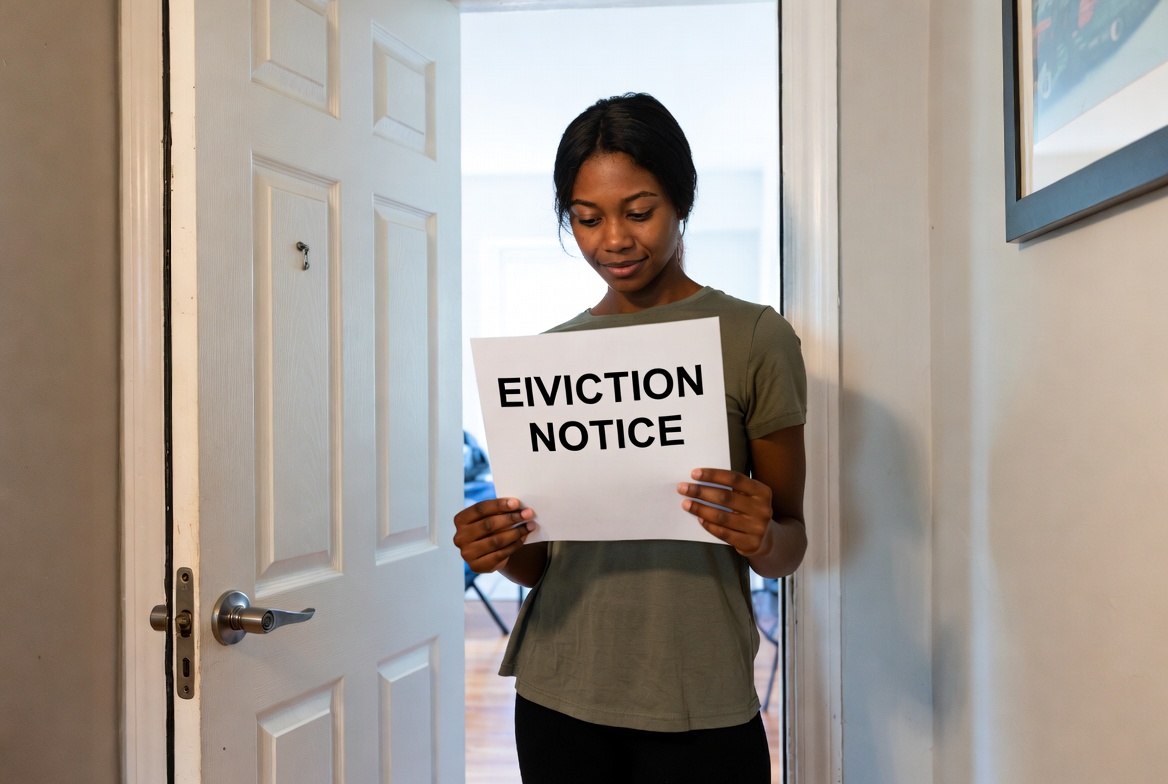
Receiving an eviction notice is frightening, but you have rights and options. Taking quick action can help you stay in your home or at least buy time to find alternatives. Here is what you need to know.
Understand the Eviction Process
Eviction is a legal process that takes time:
- Landlord must provide proper written notice
- If you do not leave or fix the problem, landlord files in court
- You receive a summons to appear in court
- A judge decides the case
- Only a sheriff or marshal can physically remove you after a court order
Know Your Rights
- You must receive proper legal notice before eviction proceedings
- You have the right to appear in court and present your side
- Landlords cannot lock you out, shut off utilities, or remove your belongings without a court order
- You may have defenses (improper notice, landlord retaliation, uninhabitable conditions)
Steps to Take Now
- Read your notice carefully – note deadlines and what is required
- Try to negotiate with your landlord – many prefer payment plans over eviction
- Apply for rental assistance – programs may pay your back rent
- Seek legal help – free legal aid may be available in your area
- Show up to court – many evictions are lost simply because tenants do not appear
Where to Get Help
- Call 211 for local assistance programs
- Search for legal aid at LawHelp.org
- Contact your state’s tenant rights organization
- Ask about emergency rental assistance in your area
Do not ignore an eviction notice, but do not panic either. Many families facing eviction are able to stay in their homes by taking action quickly and knowing their options.