FEMA Disaster Assistance: Getting Help After a Natural Disaster
When hurricanes, floods, tornadoes, or other natural disasters strike, the Federal Emergency Management Agency (FEMA) provides critical assistance to help individuals and families recover. Understanding how to access this help quickly can make a significant difference in your recovery. Here’s your complete guide to FEMA disaster assistance.
Types of FEMA Assistance Available
FEMA offers several forms of help depending on your needs. These programs are designed to help you get back on your feet, not replace everything you lost.
- Housing Assistance: Rental assistance, temporary housing, or funds for home repairs
- Other Needs Assistance: Help with medical, dental, funeral, and other disaster-related expenses
- Crisis Counseling: Free mental health support for disaster survivors
- Disaster Unemployment Assistance: Benefits for those who lost work due to the disaster
- Legal Services: Free legal help for disaster-related issues
- SBA Disaster Loans: Low-interest loans for homeowners, renters, and businesses
How to Apply for FEMA Assistance
After a disaster is declared in your area, you can apply for assistance in several ways. Apply as soon as possible—there are deadlines, typically 60 days after the disaster declaration.
- Online at DisasterAssistance.gov (fastest method)
- Call the FEMA helpline at DisasterAssistance.gov (TTY: VA.gov)
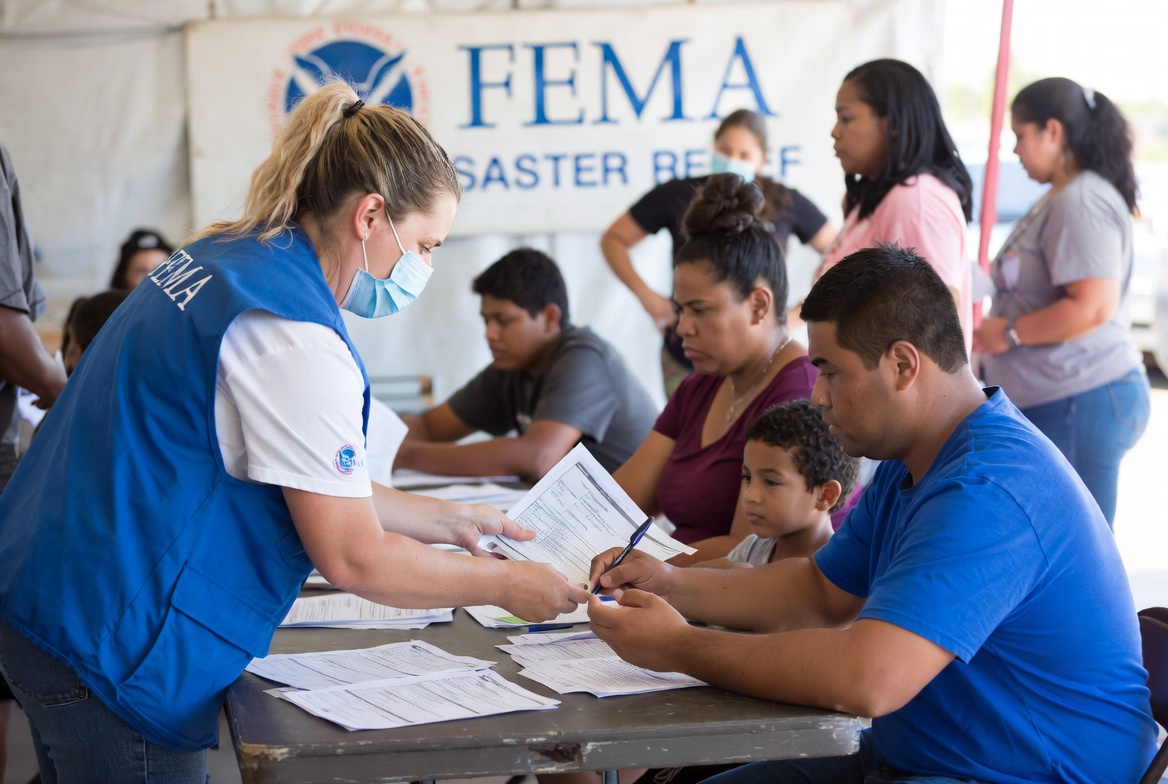
- Visit a Disaster Recovery Center in person
- Use the FEMA mobile app
Information You Will Need to Apply
Gather this information before you apply to speed up the process. Do not wait until you have everything—you can still apply and provide documents later.
- Social Security number
- Address of the damaged property
- Current mailing address and phone number
- Insurance information
- Description of disaster-caused damage and losses
- Banking information for direct deposit
- If applicable, a route description to access a damaged property
What Happens After You Apply
Once you submit your application, FEMA will review it and may send an inspector to assess the damage. Here is the typical timeline:
- You will receive a registration number immediately—keep this safe
- A FEMA inspector may contact you within 10-14 days to schedule an inspection
- Be present for the inspection or designate someone to meet the inspector
- You will receive a determination letter explaining what assistance you qualify for
- If approved, funds are typically deposited within a few days
If You Are Denied: How to Appeal
Do not give up if your initial application is denied. Many denials are due to missing information or documentation. You have 60 days from the date of your determination letter to appeal.
- Read your denial letter carefully to understand the reason
- Write a letter explaining why you believe the decision should be changed
- Include any supporting documents (photos, receipts, contractor estimates)
- Mail your appeal to the address on your determination letter
- Keep copies of everything you send
Additional Resources Beyond FEMA
FEMA assistance is often just part of your recovery. Other organizations and programs can help fill gaps:
- American Red Cross provides immediate shelter, food, and emergency supplies
- Salvation Army offers disaster relief services
- Local community organizations may have additional funds
- State emergency management agencies coordinate local resources
- Faith-based organizations often provide long-term recovery help
- Volunteer organizations like Team Rubicon help with cleanup and rebuilding
Protecting Yourself from Disaster Scams
Unfortunately, scammers target disaster survivors. Protect yourself by knowing that FEMA will never ask for payment to apply for assistance, and FEMA inspectors will always have official ID.
Recovering from a disaster takes time and support from many sources. FEMA assistance can provide crucial help to get you started on the path to recovery. Do not hesitate to apply and reach out for the help you need.