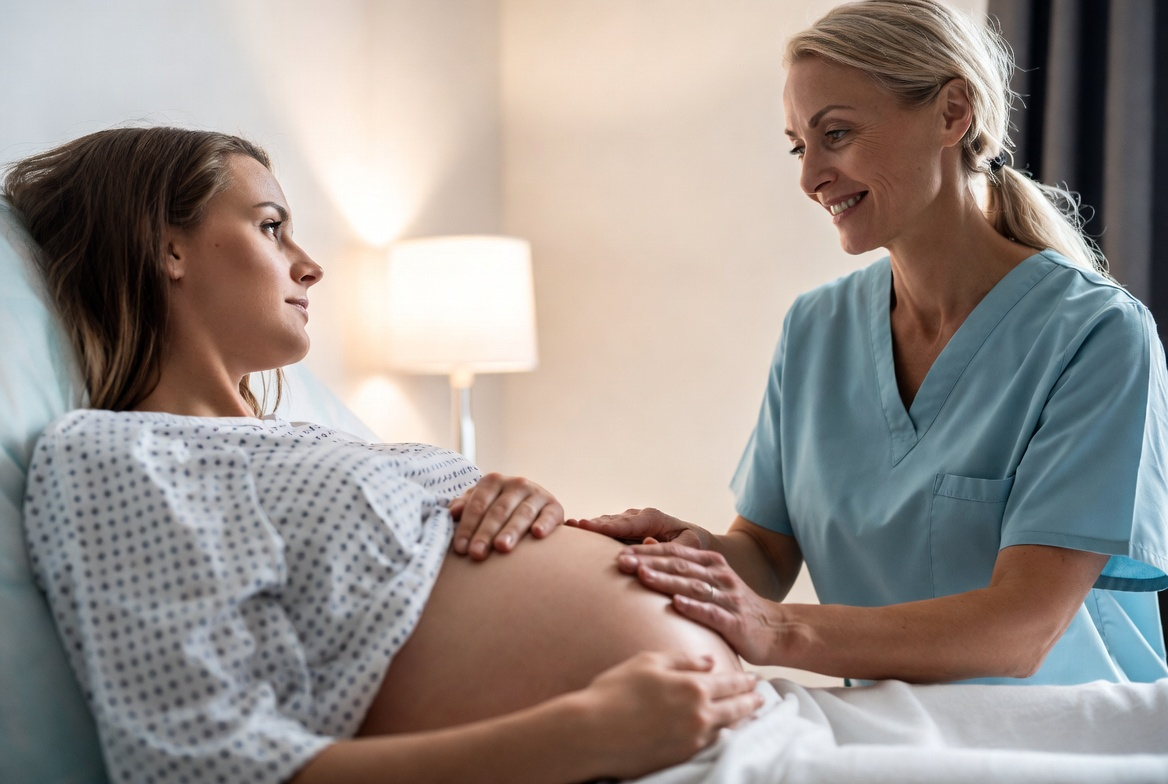
Prenatal Care Without Insurance: Programs for Expecting Mothers
Finding out you are pregnant can bring a wave of emotions, and if you do not have health insurance, worry about affording prenatal care may be at the top of the list. Here is the most important thing to know right now: every state in the country has programs specifically designed to ensure that pregnant women receive the medical care they need regardless of income or insurance status. You do not need to go through this pregnancy without proper medical support.
Prenatal care is not optional. Regular checkups during pregnancy are essential for monitoring your health and the development of your baby. Prenatal visits allow your doctor to catch potential complications early, manage conditions like high blood pressure and gestational diabetes, ensure your baby is growing properly, and prepare you for a safe delivery. Women who receive consistent prenatal care have significantly better outcomes for both themselves and their babies.
Medicaid for Pregnant Women
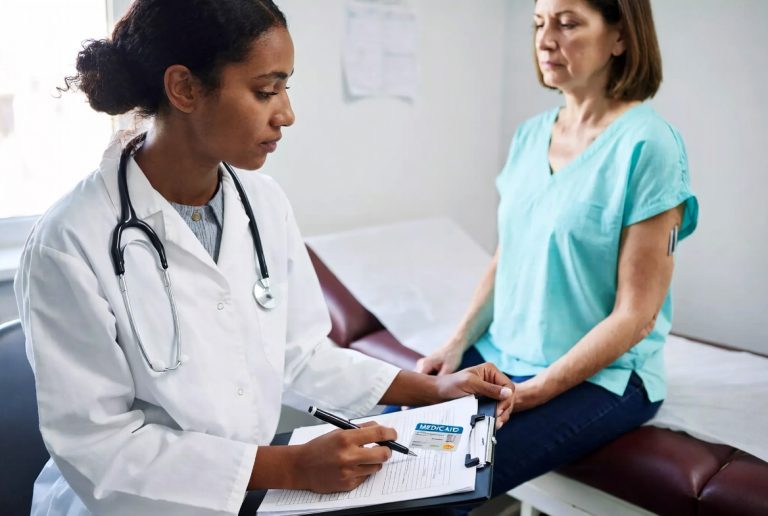
Medicaid is the single most important resource for uninsured pregnant women. Every state is required to provide Medicaid coverage to pregnant women with incomes up to 138 percent of the Federal Poverty Level, and most states set their income limits much higher. Many states cover pregnant women with incomes up to 200 percent, and some go as high as 300 percent or more of the poverty level. For a household of two, 200 percent of the Federal Poverty Level is approximately $41,000 per year in 2026.
Medicaid for pregnant women covers all prenatal visits, lab work, ultrasounds, hospital delivery, postpartum care, and any complications that arise during pregnancy. In most states, there are no premiums, copays, or deductibles for pregnancy-related services. Coverage typically begins on the date your application is approved and lasts through 60 days after delivery, though many states have extended postpartum coverage to a full 12 months.
You can apply for Medicaid at any time during your pregnancy. There is no enrollment period, and applications are often processed faster for pregnant women than for other applicants. Apply through your state’s Medicaid office, at healthcare.gov, or at your local Department of Social Services. Many hospitals and community health centers also have enrollment assistants on staff who can help you apply on the spot.
CHIP Perinatal Coverage
The Children’s Health Insurance Program, known as CHIP, provides coverage for unborn children in many states. This is a separate program from Medicaid and has different eligibility rules. Under CHIP perinatal coverage, the unborn child is considered the beneficiary, and coverage extends to all pregnancy-related care for the mother. Income limits for CHIP are generally higher than Medicaid, so even if you do not qualify for Medicaid, you may be eligible for CHIP perinatal coverage.
In some states, CHIP perinatal coverage also has the advantage of being available to immigrant women who might not qualify for regular Medicaid due to immigration status restrictions. This makes it an important resource for undocumented mothers and recent immigrants who are not yet eligible for other public programs.
Community Health Centers and Free Clinics
Federally Qualified Health Centers provide comprehensive prenatal care on a sliding-scale basis. If your income is at or below the Federal Poverty Level, services are available at no cost. These centers offer prenatal exams, blood tests, nutritional counseling, and referrals for ultrasounds and specialty care when needed. Many community health centers have certified nurse-midwives on staff who specialize in pregnancy care.
To find a community health center near you, visit findahealthcenter.hrsa.gov or call 1-800-275-8898. There are over 1,400 community health center organizations operating at more than 15,000 sites across the country, so there is likely one within a reasonable distance from where you live.
Free clinics are another option, particularly in the early stages of pregnancy when you may still be waiting for Medicaid approval. Many free clinics provide pregnancy testing, initial prenatal labs, and referrals to community health centers or hospitals that offer comprehensive prenatal care. The National Association of Free and Charitable Clinics maintains a directory at nafcclinics.org.
WIC: Nutrition Support During Pregnancy
The Special Supplemental Nutrition Program for Women, Infants, and Children, commonly known as WIC, provides free nutritious food, nutrition education, breastfeeding support, and referrals to healthcare and social services for pregnant, postpartum, and breastfeeding women. WIC serves approximately half of all infants born in the United States and is available in every state.
WIC income limits are set at 185 percent of the Federal Poverty Level, and if you are already enrolled in Medicaid, SNAP, or TANF, you automatically meet the income requirement. WIC benefits include vouchers or an electronic benefits card for purchasing specific nutritious foods like milk, eggs, cheese, whole grains, fruits, vegetables, and iron-fortified cereal. Pregnant women also receive prenatal vitamins through the program at no cost.
You can apply for WIC at your local WIC office, which is typically located within a health department or community health center. Find your nearest WIC office by calling 1-800-311-BABY (1-800-311-2229) or visiting your state’s WIC website.
Hospital Financial Assistance Programs
If you end up needing hospital services during your pregnancy and are uninsured, most hospitals offer financial assistance programs, sometimes called charity care. Nonprofit hospitals are required by law to have financial assistance policies, and many will write off the entire cost of your delivery and related hospital stays if your income is below a certain threshold.
Do not wait until after delivery to ask about financial assistance. Contact the hospital’s billing department or financial counseling office as early as possible to find out what assistance is available and how to apply. Many hospitals also have social workers who can help you navigate insurance enrollment and connect you with community resources.
Additional Resources for Expecting Mothers
The Maternal and Child Health Services Block Grant funds programs in every state that provide prenatal care, health education, and support services for pregnant women who may not qualify for other programs. Contact your state’s Title V Maternal and Child Health program to learn what services are available in your area.
Home visiting programs like the Nurse-Family Partnership and Healthy Families America pair first-time mothers with trained nurses or family support workers who provide regular home visits throughout pregnancy and after birth. These free programs offer personalized health guidance, help you prepare for parenthood, and connect you with resources in your community.
Many areas also have maternity homes and residential programs for pregnant women who are homeless or in unstable living situations. These programs provide housing, prenatal care coordination, life skills training, and support for new mothers. United Way’s 211 helpline, reached by dialing 2-1-1, can help you locate these and other resources in your community.
Your health and your baby’s health matter, and help is available right now. The single most important step you can take today is to call your state’s Medicaid office or visit a community health center to begin the enrollment process and schedule your first prenatal appointment.