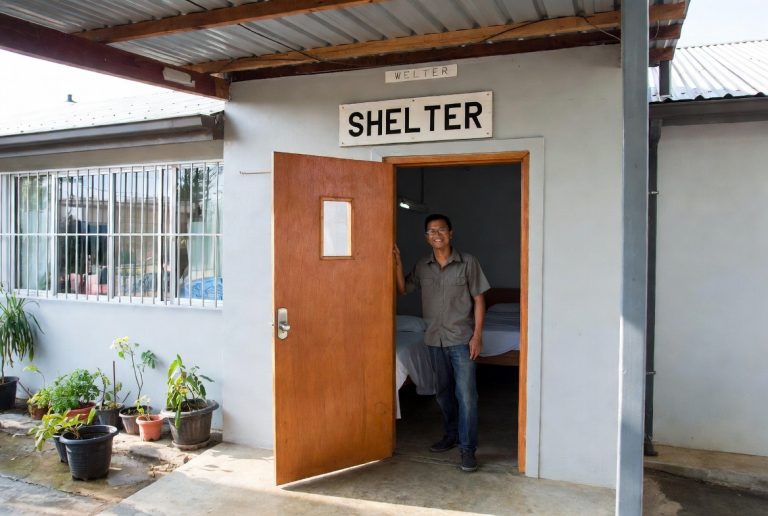
Public Housing 101: How to Apply and What to Expect
Finding affordable housing is one of the biggest challenges facing low-income families today. Public housing, operated by local housing authorities, provides safe, decent, and affordable homes for eligible families, seniors, and people with disabilities. Here’s everything you need to know about applying for and living in public housing.
What Is Public Housing?
Public housing consists of rental units owned and managed by local Public Housing Authorities (PHAs). Unlike Section 8 vouchers that let you rent from private landlords, public housing means living in government-owned properties. These can range from single-family homes to high-rise apartments, depending on your community.
Who Is Eligible for Public Housing?
Eligibility is determined by three main factors: income level, family status, and citizenship or immigration status. Income limits are set locally and based on the area median income.
- Income must be below the low-income limit (80% of area median income)
- Many PHAs give preference to extremely low-income families (30% of median)
- You must be a U.S. citizen or have eligible immigration status
- Background checks are conducted for criminal history
- Previous landlord references may be required
How to Apply for Public Housing
Applications are submitted directly to your local PHA. Many now accept online applications, making the process more accessible. Here’s what to expect:
- Contact your local PHA to get an application
- Complete the application with information about all household members
- Provide documentation of income, assets, and family composition
- Submit to multiple PHAs if you’re willing to relocate—this increases your chances
- Keep copies of everything you submit
Understanding the Waiting List
The reality of public housing is that demand far exceeds supply. Waiting lists can be months or even years long, depending on your location. Some PHAs close their waiting lists periodically when they become too long.
- Ask about local preferences that might move you up the list
- Common preferences include veterans, elderly, disabled, homeless, or domestic violence survivors
- Update your contact information immediately if it changes
- Respond promptly to any PHA correspondence
- Apply to multiple housing authorities to improve your odds
How Rent Is Calculated
One of the biggest advantages of public housing is income-based rent. Generally, you’ll pay about 30% of your adjusted monthly income toward rent and utilities. This means your rent automatically decreases if your income drops.
- Rent is typically 30% of adjusted gross income
- Deductions may apply for dependents, elderly, or disabled household members
- Utility allowances may be factored into your rent calculation
- Minimum rents may apply (often $25-$50 per month)
- Income is reverified annually
Your Rights and Responsibilities
Living in public housing comes with both protections and obligations. Understanding these can help you maintain your housing successfully.
- You have the right to a safe, well-maintained home
- The PHA must provide reasonable accommodations for disabilities
- You must pay rent on time and follow lease terms
- Report any changes in income or household composition
- Keep your unit clean and in good condition
- You have due process rights before eviction
Tips for a Successful Application
Competition for public housing is fierce, so presenting the strongest application possible matters. Take these steps to improve your chances:
- Gather all required documents before starting your application
- Be completely honest—any misrepresentation can disqualify you
- Get letters from current or former landlords attesting to your reliability
- Address any issues in your background proactively
- Follow up regularly on your application status
Public housing can provide the stable foundation families need to thrive. While the process requires patience, the affordable rent and security it offers make it worth pursuing. Contact your local housing authority today to learn about available programs in your area.