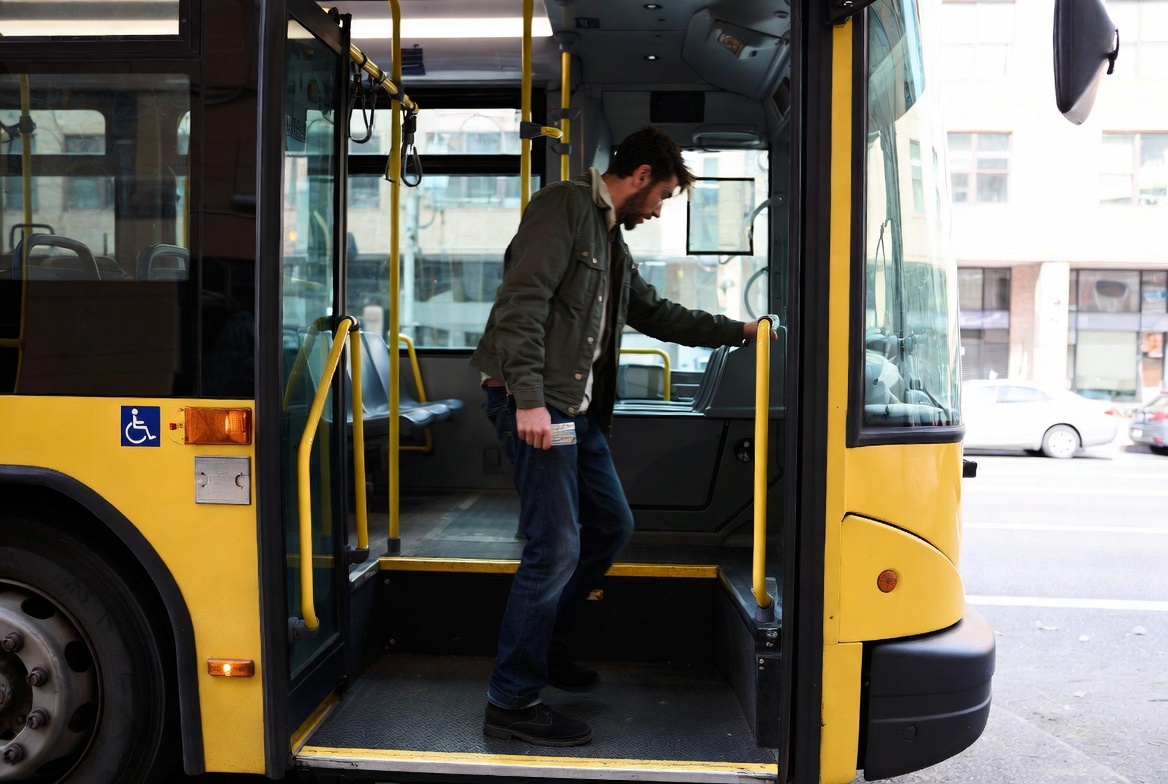
Transportation Assistance: Getting Where You Need to Go
Without reliable transportation, getting to work, medical appointments, and grocery stores becomes a major challenge. Here are resources that can help with transportation when you cannot afford a car or cannot drive.
Medicaid Transportation
If you have Medicaid, you may be entitled to free transportation to medical appointments. This Non-Emergency Medical Transportation (NEMT) benefit covers rides to doctors, pharmacies, dialysis, and other health-related trips.
Other Options
- Paratransit: Door-to-door service for people with disabilities
- Senior shuttles: Many communities offer rides for older adults
- Volunteer driver programs: Free rides from community volunteers
- Reduced fare programs: Transit discounts for low-income riders
- Faith-based transportation: Churches often help with rides
Work-Related Transportation
TANF and workforce programs sometimes provide transportation assistance to help you get to work or training. Some areas also have programs that help with car repairs or even vehicle purchases.
Understanding Non-Emergency Medical Transportation (NEMT)
Non-Emergency Medical Transportation is one of the most underused benefits available to low-income Americans. Under federal law, every state Medicaid program must provide transportation to and from medical services for beneficiaries who have no other way to get there. This includes rides to doctor visits, mental health appointments, physical therapy, dialysis treatments, pharmacy pickups, and substance abuse counseling sessions. To use NEMT, you typically call a state-contracted transportation broker at least 48 hours before your appointment. The broker arranges a ride through local taxi companies, van services, or volunteer drivers. In many states, you can also get reimbursed for mileage if a friend or family member drives you. If you are on Medicaid and have been paying for rides out of pocket, contact your state Medicaid office immediately to learn how to access this benefit.
Public Transit Discount Programs
Most major public transit systems in the United States offer reduced fare programs for seniors, people with disabilities, and low-income riders. For example, many cities provide half-price bus and rail passes to anyone aged 65 or older, or to individuals who receive SSI or SSDI benefits. Some municipalities go even further by offering completely free transit to residents below a certain income threshold. To apply, you generally need to visit your local transit authority office with proof of age, disability status, or income. The application process is usually straightforward and can often be completed in a single visit. Additionally, some transit agencies partner with social service organizations to distribute free passes to people experiencing homelessness or those enrolled in job training programs.
Vehicle Repair and Donation Programs
Several nonprofit organizations across the country accept donated vehicles and provide them to families in need at no cost or at a deeply reduced price. Vehicles for Change, Working Cars for Working People, and Good News Garage are among the most well-known programs. These organizations typically repair donated cars and match them with families who need reliable transportation to maintain employment. Eligibility usually requires proof that you are employed or actively participating in a job training program, hold a valid driver’s license, and meet income guidelines. Some programs also provide basic auto repair assistance. Organizations like the Salvation Army and Catholic Charities may offer vouchers to help cover the cost of car repairs for families who already own a vehicle but cannot afford to fix it. Check with your local 2-1-1 helpline to find vehicle assistance programs in your area.
Rideshare and Community Solutions
In rural areas where public transit is limited or nonexistent, community-based transportation solutions can be a lifeline. Many counties operate dial-a-ride services that pick up passengers at their homes and transport them to essential destinations. Some Areas on Aging coordinate volunteer driver networks where community members donate their time to drive seniors and people with disabilities to appointments and errands. Faith-based organizations frequently step in to fill transportation gaps as well, offering regular shuttle services to grocery stores, food banks, and medical facilities. If you are struggling with transportation, start by calling 2-1-1, which connects you to local resources including rides to work, medical appointments, and social services. You can also ask your employer about commuter benefits, carpooling programs, or transit subsidies that may be available to you.
Understanding Non-Emergency Medical Transportation (NEMT)
Non-Emergency Medical Transportation is one of the most underused benefits available to low-income Americans. Under federal law, every state Medicaid program must provide transportation to and from medical services for beneficiaries who have no other way to get there. This includes rides to doctor visits, mental health appointments, physical therapy, dialysis treatments, pharmacy pickups, and substance abuse counseling sessions. To use NEMT, you typically call a state-contracted transportation broker at least 48 hours before your appointment. The broker arranges a ride through local taxi companies, van services, or volunteer drivers. In many states, you can also get reimbursed for mileage if a friend or family member drives you. If you are on Medicaid and have been paying for rides out of pocket, contact your state Medicaid office immediately to learn how to access this benefit.
Public Transit Discount Programs
Most major public transit systems in the United States offer reduced fare programs for seniors, people with disabilities, and low-income riders. For example, many cities provide half-price bus and rail passes to anyone aged 65 or older, or to individuals who receive SSI or SSDI benefits. Some municipalities go even further by offering completely free transit to residents below a certain income threshold. To apply, you generally need to visit your local transit authority office with proof of age, disability status, or income. The application process is usually straightforward and can often be completed in a single visit. Additionally, some transit agencies partner with social service organizations to distribute free passes to people experiencing homelessness or those enrolled in job training programs.
Vehicle Repair and Donation Programs
Several nonprofit organizations across the country accept donated vehicles and provide them to families in need at no cost or at a deeply reduced price. Vehicles for Change, Working Cars for Working People, and Good News Garage are among the most well-known programs. These organizations typically repair donated cars and match them with families who need reliable transportation to maintain employment. Eligibility usually requires proof that you are employed or actively participating in a job training program, hold a valid driver’s license, and meet income guidelines. Some programs also provide basic auto repair assistance. Organizations like the Salvation Army and Catholic Charities may offer vouchers to help cover the cost of car repairs for families who already own a vehicle but cannot afford to fix it. Check with your local 2-1-1 helpline to find vehicle assistance programs in your area.
Rideshare and Community Solutions
In rural areas where public transit is limited or nonexistent, community-based transportation solutions can be a lifeline. Many counties operate dial-a-ride services that pick up passengers at their homes and transport them to essential destinations. Some Areas on Aging coordinate volunteer driver networks where community members donate their time to drive seniors and people with disabilities to appointments and errands. Faith-based organizations frequently step in to fill transportation gaps as well, offering regular shuttle services to grocery stores, food banks, and medical facilities. If you are struggling with transportation, start by calling 2-1-1, which connects you to local resources including rides to work, medical appointments, and social services. You can also ask your employer about commuter benefits, carpooling programs, or transit subsidies that may be available to you.