Senior Nutrition Programs: Meals for Older Adults
Nutrition becomes even more important as we age, yet many seniors struggle to access healthy meals. Several programs provide nutritious food to older adults at no cost or very low cost.
Meals on Wheels
Home-delivered meals for seniors who have difficulty shopping or cooking. Beyond nutrition, regular delivery visits provide social contact and safety checks. Find local programs at MealsOnWheelsAmerica.org.
Congregate Meals
Meals served at senior centers, community centers, and other sites. These provide nutritious food plus opportunities for socializing. Contact your local senior center or Area Agency on Aging.
SNAP for Seniors
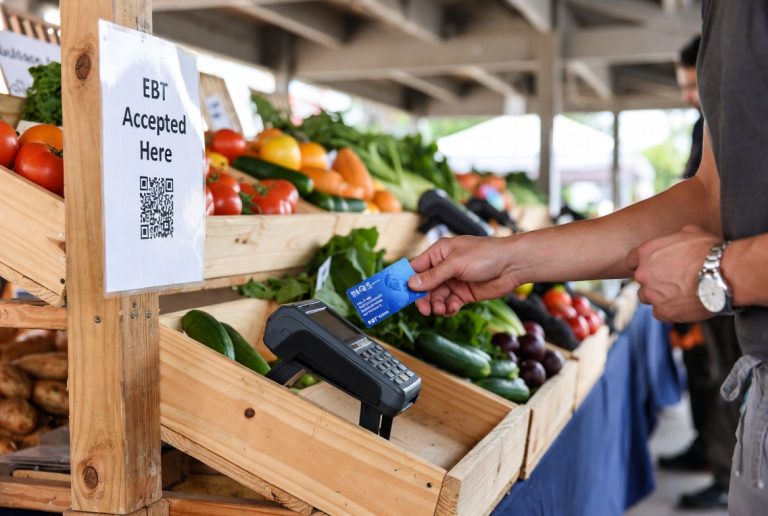
Many seniors qualify for SNAP but do not apply. The application process has been simplified for seniors, and benefits can be used at most grocery stores and many farmers markets.
Commodity Supplemental Food Program
CSFP provides monthly food packages to seniors 60+ with income below 130% of poverty. Packages include canned fruits, vegetables, juice, milk, cheese, and more.
The Older Americans Act Nutrition Programs
The primary federal funding source for senior nutrition programs is Title III of the Older Americans Act, which supports both congregate meal programs and home-delivered meal programs for adults aged 60 and older. These programs are administered through a national network of Area Agencies on Aging, which contract with local organizations to prepare and serve meals. Funding is allocated based on each state’s share of the population aged 60 and above, with additional consideration for areas with high concentrations of low-income, minority, and rural elderly populations.
Congregate meal sites, typically located at senior centers, community centers, faith-based organizations, and public housing facilities, provide nutritious meals in a group setting. Beyond the food itself, these sites serve as social hubs where older adults can connect with peers, participate in activities, and access other supportive services such as health screenings, benefits counseling, and fitness programs. Research consistently shows that social isolation is a significant health risk for older adults, making the community aspect of congregate meals just as important as the nutrition.
Home-Delivered Meals and Special Diets
For seniors who are homebound due to illness, disability, or frailty, home-delivered meal programs bring nutritious food directly to their door. Meals on Wheels is the most well-known home-delivered meal program, but many other local organizations provide similar services. Most programs deliver meals five days a week, though some offer seven-day service. Many also provide frozen or shelf-stable meals for weekends and holidays when delivery may not be available.
Many senior nutrition programs can accommodate special dietary needs, including diabetic-friendly meals, heart-healthy options, low-sodium menus, pureed or mechanically altered textures for those with swallowing difficulties, and culturally appropriate foods. When enrolling in a meal program, be sure to communicate any dietary restrictions or medical conditions that affect your food needs. Program staff work with registered dietitians to ensure that meals meet the nutritional requirements of participants while also being enjoyable to eat.
SNAP Benefits for Seniors
The Supplemental Nutrition Assistance Program provides monthly benefits on an electronic benefit transfer card that can be used to purchase groceries at most supermarkets, grocery stores, and many farmers markets. Seniors aged 60 and older may qualify for SNAP based on income and resource limits, which are somewhat more generous for elderly households. The application process for seniors has been simplified in many states, and some states allow elderly applicants to be interviewed by phone rather than in person.
Despite being one of the most effective anti-hunger programs in the country, SNAP is significantly underutilized among seniors. Only about 48 percent of eligible seniors actually participate in the program, compared to approximately 82 percent of all eligible individuals. Common barriers include lack of awareness, stigma, difficulty with the application process, and the belief that benefits will be too small to matter. However, even modest monthly benefits of 50 to 100 dollars can make a real difference in a senior’s ability to afford fresh produce, dairy products, and lean proteins that support good health.
Additional Food Resources for Older Adults
Beyond meal programs and SNAP, seniors can access food through food pantries, food banks, and commodity food distribution programs. The Commodity Supplemental Food Program, or CSFP, provides monthly packages of nutritious food specifically designed for seniors aged 60 and older with incomes at or below 130 percent of the poverty level. Each package includes shelf-stable items such as canned fruits and vegetables, cereal, rice, pasta, peanut butter, cheese, and shelf-stable milk. Contact your local Area Agency on Aging at eldercare.acl.gov or by calling 1-800-677-1116 to learn about all nutrition programs available in your community.
The Older Americans Act Nutrition Programs
The primary federal funding source for senior nutrition programs is Title III of the Older Americans Act, which supports both congregate meal programs and home-delivered meal programs for adults aged 60 and older. These programs are administered through a national network of Area Agencies on Aging, which contract with local organizations to prepare and serve meals. Funding is allocated based on each state’s share of the population aged 60 and above, with additional consideration for areas with high concentrations of low-income, minority, and rural elderly populations.
Congregate meal sites, typically located at senior centers, community centers, faith-based organizations, and public housing facilities, provide nutritious meals in a group setting. Beyond the food itself, these sites serve as social hubs where older adults can connect with peers, participate in activities, and access other supportive services such as health screenings, benefits counseling, and fitness programs. Research consistently shows that social isolation is a significant health risk for older adults, making the community aspect of congregate meals just as important as the nutrition.
Home-Delivered Meals and Special Diets
For seniors who are homebound due to illness, disability, or frailty, home-delivered meal programs bring nutritious food directly to their door. Meals on Wheels is the most well-known home-delivered meal program, but many other local organizations provide similar services. Most programs deliver meals five days a week, though some offer seven-day service. Many also provide frozen or shelf-stable meals for weekends and holidays when delivery may not be available.
Many senior nutrition programs can accommodate special dietary needs, including diabetic-friendly meals, heart-healthy options, low-sodium menus, pureed or mechanically altered textures for those with swallowing difficulties, and culturally appropriate foods. When enrolling in a meal program, be sure to communicate any dietary restrictions or medical conditions that affect your food needs. Program staff work with registered dietitians to ensure that meals meet the nutritional requirements of participants while also being enjoyable to eat.
SNAP Benefits for Seniors
The Supplemental Nutrition Assistance Program provides monthly benefits on an electronic benefit transfer card that can be used to purchase groceries at most supermarkets, grocery stores, and many farmers markets. Seniors aged 60 and older may qualify for SNAP based on income and resource limits, which are somewhat more generous for elderly households. The application process for seniors has been simplified in many states, and some states allow elderly applicants to be interviewed by phone rather than in person.
Despite being one of the most effective anti-hunger programs in the country, SNAP is significantly underutilized among seniors. Only about 48 percent of eligible seniors actually participate in the program, compared to approximately 82 percent of all eligible individuals. Common barriers include lack of awareness, stigma, difficulty with the application process, and the belief that benefits will be too small to matter. However, even modest monthly benefits of 50 to 100 dollars can make a real difference in a senior’s ability to afford fresh produce, dairy products, and lean proteins that support good health.
Additional Food Resources for Older Adults
Beyond meal programs and SNAP, seniors can access food through food pantries, food banks, and commodity food distribution programs. The Commodity Supplemental Food Program, or CSFP, provides monthly packages of nutritious food specifically designed for seniors aged 60 and older with incomes at or below 130 percent of the poverty level. Each package includes shelf-stable items such as canned fruits and vegetables, cereal, rice, pasta, peanut butter, cheese, and shelf-stable milk. Contact your local Area Agency on Aging at eldercare.acl.gov or by calling 1-800-677-1116 to learn about all nutrition programs available in your community.