Food Pantries vs SNAP: Understanding Your Options for Food Assistance
When you need help putting food on the table, you have several options. Understanding the difference between food pantries and SNAP can help you get the most support.
Food Pantries
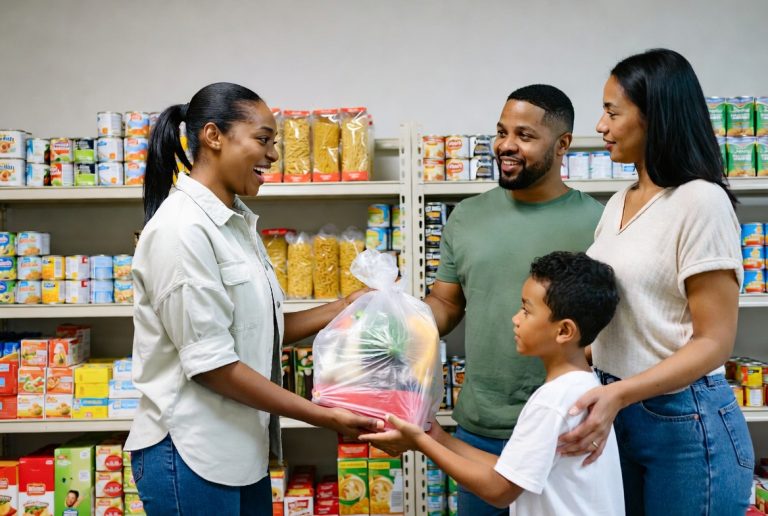
What they are: Local distribution sites where you can pick up free groceries. They are often run by churches, community organizations, or food banks.
Pros:
- Usually no income verification required
- Can get food same day
- No application or waiting period
- Available even if you receive other benefits
Cons:
- Limited selection – you get what is available
- Usually limited visits per month
- May have specific hours or days
- May require transportation to pick up
SNAP (Food Stamps)
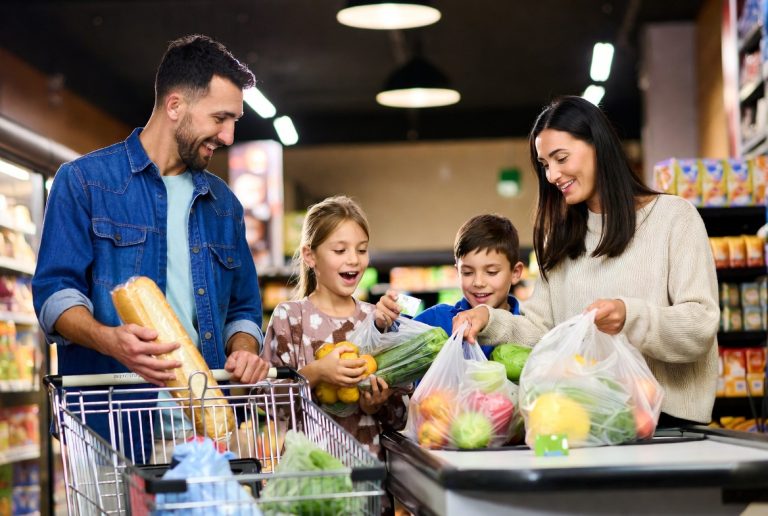
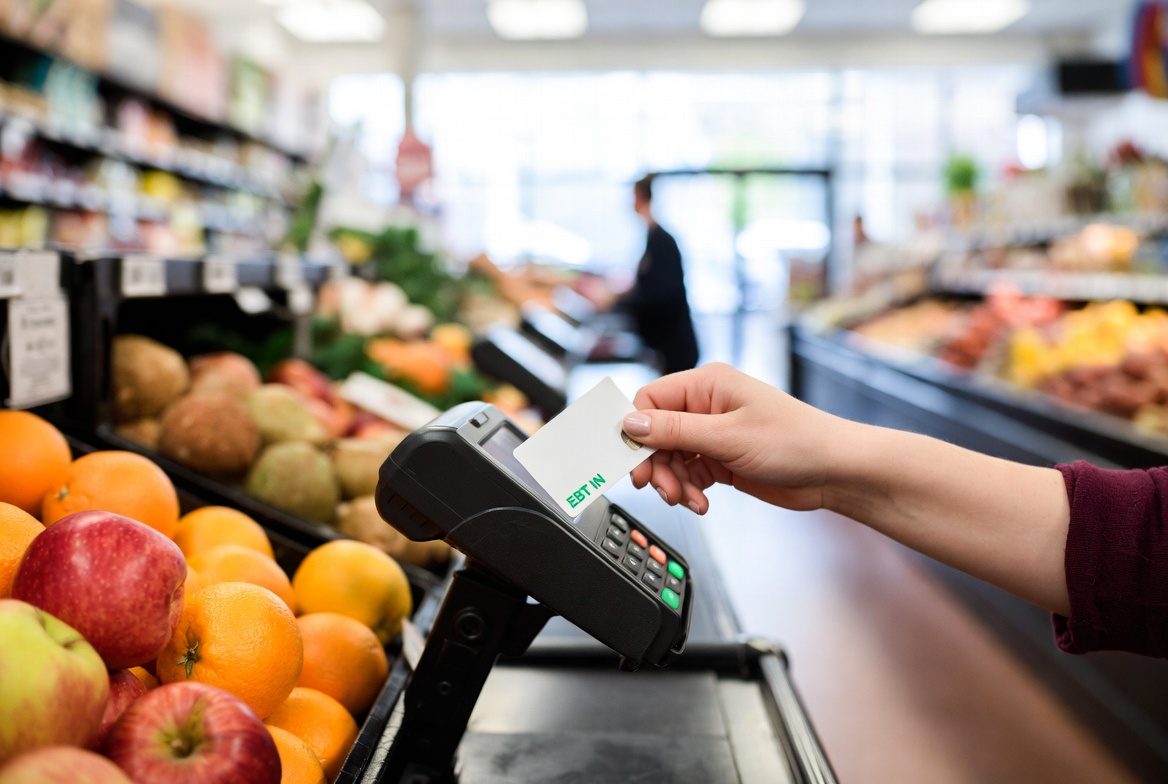
What it is: A federal program that provides monthly benefits on an EBT card to buy groceries at stores.
Pros:
- Monthly benefits you can count on
- Shop at regular grocery stores
- Choose your own food
- Benefits increase with household size
Cons:
- Requires application and income verification
- May take up to 30 days to receive benefits
- Income limits apply
- Cannot buy hot prepared foods
Can You Use Both?
Yes! Many families use both SNAP and food pantries to meet their needs. There is no rule against it. Food pantries can help stretch your SNAP benefits further and provide variety.
Getting Started
- Find local food pantries by calling 211 or visiting FeedingAmerica.org
- Apply for SNAP through your state benefits website or local office
- Use our Eligibility Screener to see if you might qualify for SNAP
Maximizing Your Food Budget With Both Resources
Using food pantries and SNAP together is a smart strategy that many families rely on to make ends meet. Start by shopping strategically with your SNAP benefits, focusing on staples like rice, beans, pasta, frozen vegetables, and proteins that provide the most nutrition per dollar. Then supplement with food pantry visits for items like bread, fresh produce, canned goods, and dairy products that stretch your grocery budget further. Many food pantries allow weekly or biweekly visits, so plan your pantry trips around the days when fresh items are delivered. Some pantries also distribute specialty items during holidays and back-to-school season, including turkeys, school supplies, and personal care items. By combining both resources, families often find they can redirect money they would have spent on food toward other pressing expenses like rent and utilities.
Additional Food Assistance Programs to Explore
Beyond food pantries and SNAP, several other programs can help put food on your table. The Emergency Food Assistance Program (TEFAP) distributes USDA commodities through local food banks and pantries at no cost. Meals on Wheels provides free hot meals to homebound seniors and individuals with disabilities. The Commodity Supplemental Food Program (CSFP) provides monthly food packages to low-income seniors aged 60 and older. Many schools participate in the National School Lunch Program and School Breakfast Program, providing free or reduced-price meals to eligible children during the school year. Summer meal programs, known as the Summer Food Service Program, continue providing free meals at community sites when school is out. Churches and community organizations also frequently host free community meals that are open to anyone.
How to Find Food Pantries Near You
Finding your nearest food pantry is easier than you might think. The quickest method is to call 211, where a trained specialist can tell you about food pantries, soup kitchens, and other food resources in your immediate area. Feeding America’s website at FeedingAmerica.org has a food bank locator tool where you enter your ZIP code to find nearby distributions. Your local Department of Social Services or Community Action Agency can also provide a list of food resources. Many food pantries have specific operating hours and some require an appointment or registration on your first visit, so it helps to call ahead. If transportation is a barrier, ask about mobile food pantries that set up in different neighborhoods, or home delivery options for seniors and people with disabilities. Some food banks have also launched online ordering systems where you can select your items and pick them up at a scheduled time.
Tips for Healthy Eating on a Limited Budget
Eating nutritious food does not have to be expensive, especially when you have access to food assistance programs. Plan your meals around what you receive from the food pantry and what is on sale at the grocery store. Buying whole fruits and vegetables in season is typically cheaper than pre-cut or out-of-season options. Frozen and canned produce are just as nutritious as fresh and last much longer. Cooking from scratch costs significantly less than buying pre-made meals, and simple recipes with rice, beans, and vegetables can feed a family affordably. Many SNAP benefits can now be used at participating farmers markets, and some markets offer double-value programs where your SNAP dollars are matched, effectively doubling your produce purchasing power. The USDA’s MyPlate website offers free meal planning tools and budget-friendly recipes designed for families using food assistance.
Maximizing Your Food Budget With Both Resources
Using food pantries and SNAP together is a smart strategy that many families rely on to make ends meet. Start by shopping strategically with your SNAP benefits, focusing on staples like rice, beans, pasta, frozen vegetables, and proteins that provide the most nutrition per dollar. Then supplement with food pantry visits for items like bread, fresh produce, canned goods, and dairy products that stretch your grocery budget further. Many food pantries allow weekly or biweekly visits, so plan your pantry trips around the days when fresh items are delivered. Some pantries also distribute specialty items during holidays and back-to-school season, including turkeys, school supplies, and personal care items. By combining both resources, families often find they can redirect money they would have spent on food toward other pressing expenses like rent and utilities.
Additional Food Assistance Programs to Explore
Beyond food pantries and SNAP, several other programs can help put food on your table. The Emergency Food Assistance Program (TEFAP) distributes USDA commodities through local food banks and pantries at no cost. Meals on Wheels provides free hot meals to homebound seniors and individuals with disabilities. The Commodity Supplemental Food Program (CSFP) provides monthly food packages to low-income seniors aged 60 and older. Many schools participate in the National School Lunch Program and School Breakfast Program, providing free or reduced-price meals to eligible children during the school year. Summer meal programs, known as the Summer Food Service Program, continue providing free meals at community sites when school is out. Churches and community organizations also frequently host free community meals that are open to anyone.
How to Find Food Pantries Near You
Finding your nearest food pantry is easier than you might think. The quickest method is to call 211, where a trained specialist can tell you about food pantries, soup kitchens, and other food resources in your immediate area. Feeding America’s website at FeedingAmerica.org has a food bank locator tool where you enter your ZIP code to find nearby distributions. Your local Department of Social Services or Community Action Agency can also provide a list of food resources. Many food pantries have specific operating hours and some require an appointment or registration on your first visit, so it helps to call ahead. If transportation is a barrier, ask about mobile food pantries that set up in different neighborhoods, or home delivery options for seniors and people with disabilities. Some food banks have also launched online ordering systems where you can select your items and pick them up at a scheduled time.
Tips for Healthy Eating on a Limited Budget
Eating nutritious food does not have to be expensive, especially when you have access to food assistance programs. Plan your meals around what you receive from the food pantry and what is on sale at the grocery store. Buying whole fruits and vegetables in season is typically cheaper than pre-cut or out-of-season options. Frozen and canned produce are just as nutritious as fresh and last much longer. Cooking from scratch costs significantly less than buying pre-made meals, and simple recipes with rice, beans, and vegetables can feed a family affordably. Many SNAP benefits can now be used at participating farmers markets, and some markets offer double-value programs where your SNAP dollars are matched, effectively doubling your produce purchasing power. The USDA’s MyPlate website offers free meal planning tools and budget-friendly recipes designed for families using food assistance.
Explore all your options on our Food & Nutrition resources page.