Food Pantries Near You: How to Find Free Groceries When Money is Tight
When your grocery budget does not stretch far enough, food pantries can help fill the gap. These community resources provide free food to anyone in need, often with no questions asked. Here is how to find help in your area.
Finding Food Pantries Near You
- Feeding America: Visit FeedingAmerica.org/find-your-local-foodbank to search by ZIP code
- 211: Call or text 211 to connect with local food resources
- Churches and Faith Organizations: Many operate food pantries for their communities
- Community Centers: Local community centers often host food distributions
What to Expect
Most food pantries operate similarly:
- Some require appointments while others are walk-in
- Bring identification and proof of address if possible (but many do not require it)
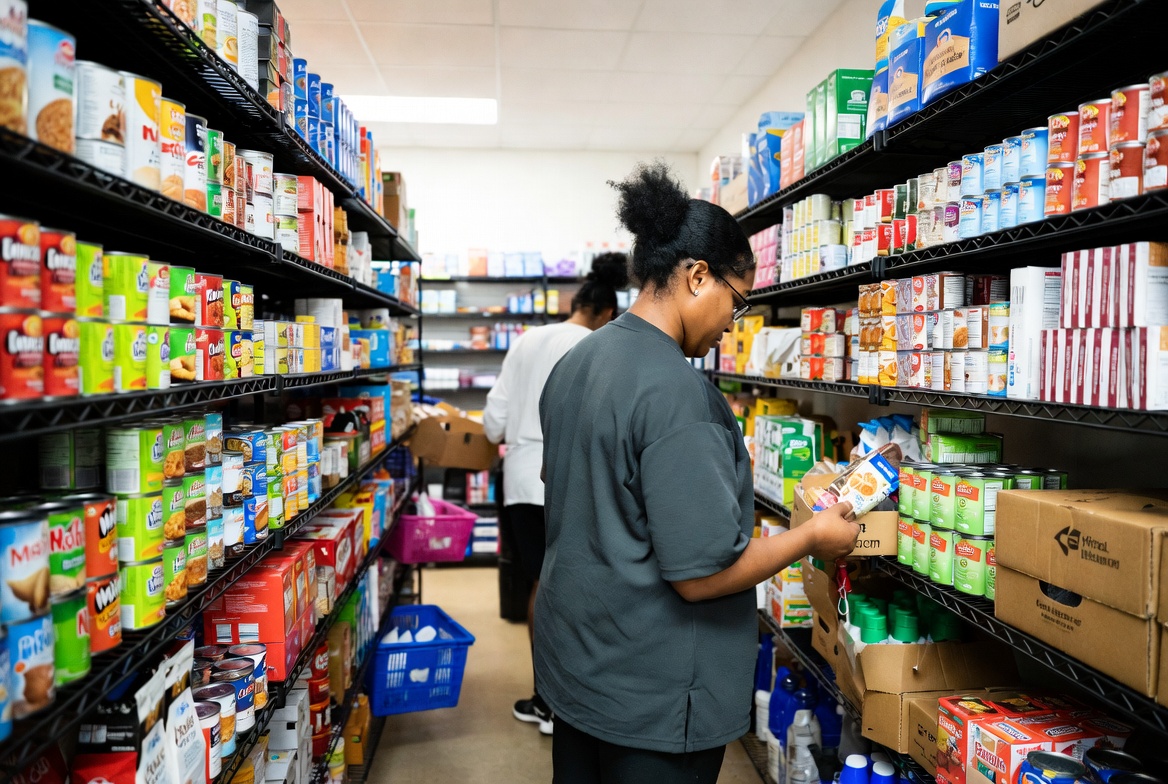
- Some pantries let you choose your own items, others provide pre-packed boxes
- Visit frequency limits vary (weekly, biweekly, or monthly)
- Many now offer fresh produce, meat, and dairy in addition to shelf-stable items
Other Food Assistance Options
- SNAP: Apply for monthly grocery benefits on an EBT card
- Community Meals: Soup kitchens provide hot meals daily
- School Meals: Free breakfast and lunch for qualifying children
- WIC: Nutrition assistance for pregnant women and young children
- Senior Nutrition: Meals on Wheels and congregate meals for those 60+
There is no shame in using food assistance. These programs exist because communities want to help their neighbors. If you are struggling, reach out today.
What to Expect at a Food Pantry
If you have never visited a food pantry before, knowing what to expect can make the experience less intimidating. Most food pantries operate on a first-come, first-served basis during specific hours. Some use a client-choice model where you walk through and select items you want, similar to a small grocery store. Others prepare pre-packed bags or boxes based on your household size. Either way, you will typically receive a mix of canned goods, dry staples like rice and pasta, fresh produce when available, and sometimes bread, dairy, and frozen meat.
Registration at a food pantry is usually simple. You may need to provide your name, address, and the number of people in your household. Some pantries ask for identification or proof of address, but many do not require any documentation at all. If you are concerned about eligibility requirements, call ahead and ask what you need to bring. Most pantries welcome anyone who says they need food, with no income verification required.
Beyond Food Pantries: Other Food Assistance Resources
Food pantries are just one piece of the food assistance network. The Supplemental Nutrition Assistance Program (SNAP), formerly known as food stamps, provides monthly benefits loaded onto an electronic card that works like a debit card at most grocery stores. A family of four can receive up to $973 per month in SNAP benefits depending on income. Apply through your local Department of Social Services or online through your state’s benefits portal.
The Commodity Supplemental Food Program (CSFP) provides monthly boxes of nutritious food to seniors aged 60 and older with limited incomes. School meal programs ensure children receive free or reduced-price breakfast and lunch during the school year, and many communities operate summer meal sites when school is out. The Emergency Food Assistance Program (TEFAP) distributes USDA commodities through local food banks and pantries at no cost to eligible households.
Tips for Making Food Assistance Go Further
When you receive food from a pantry or purchase groceries with SNAP benefits, a few strategies can help stretch those resources. Plan meals around what you have before shopping for additional items. Learn to prepare versatile staples like beans, rice, and eggs in multiple ways. Many food pantries offer recipe cards or cooking demonstrations to help you make the most of the items they distribute. Freezing bread, meat, and produce before they spoil prevents waste and gives you more flexibility in meal planning.
Community gardens are another valuable resource in many neighborhoods. Some allow you to take produce for free, while others provide a small plot where you can grow your own vegetables at no cost. Growing even a few herbs and vegetables can supplement your food supply and improve nutrition. Contact your local cooperative extension office or parks department to find community garden programs near you.
What to Expect at a Food Pantry
If you have never visited a food pantry before, knowing what to expect can make the experience less intimidating. Most food pantries operate on a first-come, first-served basis during specific hours. Some use a client-choice model where you walk through and select items you want, similar to a small grocery store. Others prepare pre-packed bags or boxes based on your household size. Either way, you will typically receive a mix of canned goods, dry staples like rice and pasta, fresh produce when available, and sometimes bread, dairy, and frozen meat.
Registration at a food pantry is usually simple. You may need to provide your name, address, and the number of people in your household. Some pantries ask for identification or proof of address, but many do not require any documentation at all. If you are concerned about eligibility requirements, call ahead and ask what you need to bring. Most pantries welcome anyone who says they need food, with no income verification required.
Beyond Food Pantries: Other Food Assistance Resources
Food pantries are just one piece of the food assistance network. The Supplemental Nutrition Assistance Program (SNAP), formerly known as food stamps, provides monthly benefits loaded onto an electronic card that works like a debit card at most grocery stores. A family of four can receive up to $973 per month in SNAP benefits depending on income. Apply through your local Department of Social Services or online through your state’s benefits portal.
The Commodity Supplemental Food Program (CSFP) provides monthly boxes of nutritious food to seniors aged 60 and older with limited incomes. School meal programs ensure children receive free or reduced-price breakfast and lunch during the school year, and many communities operate summer meal sites when school is out. The Emergency Food Assistance Program (TEFAP) distributes USDA commodities through local food banks and pantries at no cost to eligible households.
Tips for Making Food Assistance Go Further
When you receive food from a pantry or purchase groceries with SNAP benefits, a few strategies can help stretch those resources. Plan meals around what you have before shopping for additional items. Learn to prepare versatile staples like beans, rice, and eggs in multiple ways. Many food pantries offer recipe cards or cooking demonstrations to help you make the most of the items they distribute. Freezing bread, meat, and produce before they spoil prevents waste and gives you more flexibility in meal planning.
Community gardens are another valuable resource in many neighborhoods. Some allow you to take produce for free, while others provide a small plot where you can grow your own vegetables at no cost. Growing even a few herbs and vegetables can supplement your food supply and improve nutrition. Contact your local cooperative extension office or parks department to find community garden programs near you.