WIC Benefits: What You Get and How to Qualify
The Special Supplemental Nutrition Program for Women, Infants, and Children (WIC) provides vital nutrition support to pregnant women, new mothers, and young children. Here is everything you need to know.
Who Can Get WIC?
WIC serves specific groups:
- Pregnant women – Throughout pregnancy
- Breastfeeding women – Up to babys first birthday
- Postpartum women – Up to 6 months after birth
- Infants – Until their first birthday
- Children – Ages 1-5
Income Requirements
Your household income must be at or below 185% of the federal poverty level. For a family of four, that is approximately $55,500 per year in 2024. You may automatically qualify if you receive Medicaid, SNAP, or TANF.
What Benefits Do You Receive?
WIC provides monthly benefits for specific nutritious foods:
- Milk, cheese, and eggs
- Whole grain bread and cereal
- Fruits and vegetables
- Juice
- Peanut butter and beans
- Baby formula and baby food
Additional WIC Services
WIC is more than just food:
- Nutrition education and counseling
- Breastfeeding support
- Health screenings
- Referrals to healthcare and other services
How to Apply
- Find your local WIC office at WICPrograms.fns.usda.gov
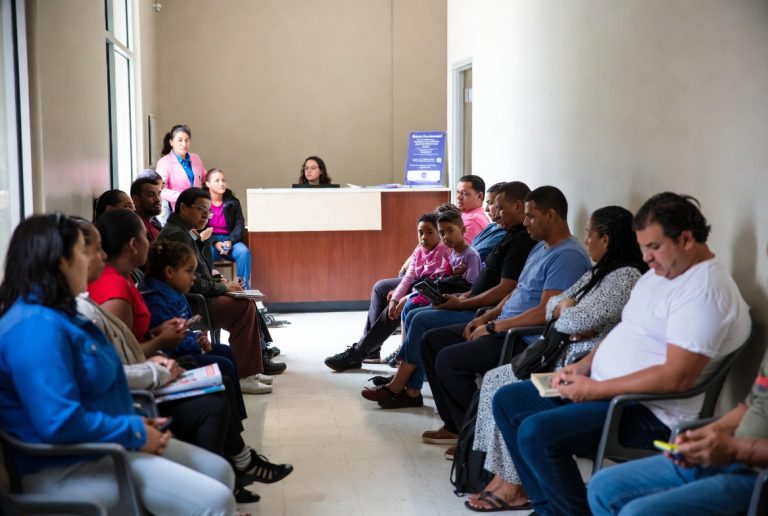
- Make an appointment
- Bring required documents (ID, proof of income, proof of address, health records)
- Complete eligibility screening including height/weight measurements
How WIC Benefits Are Delivered
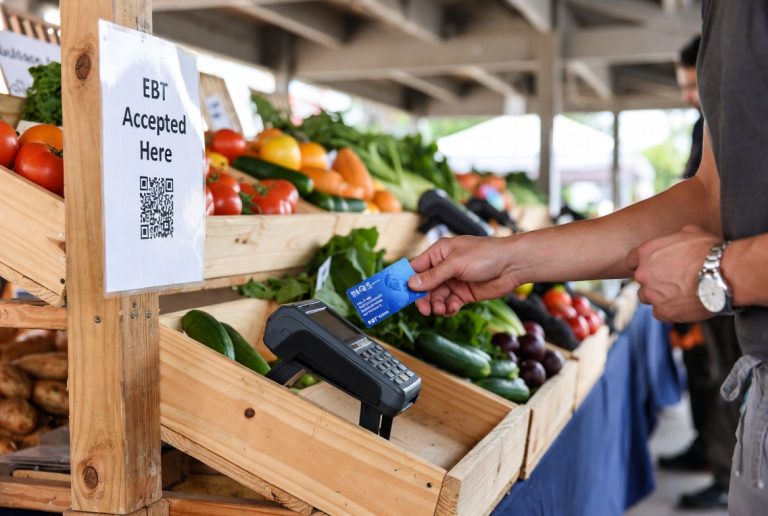
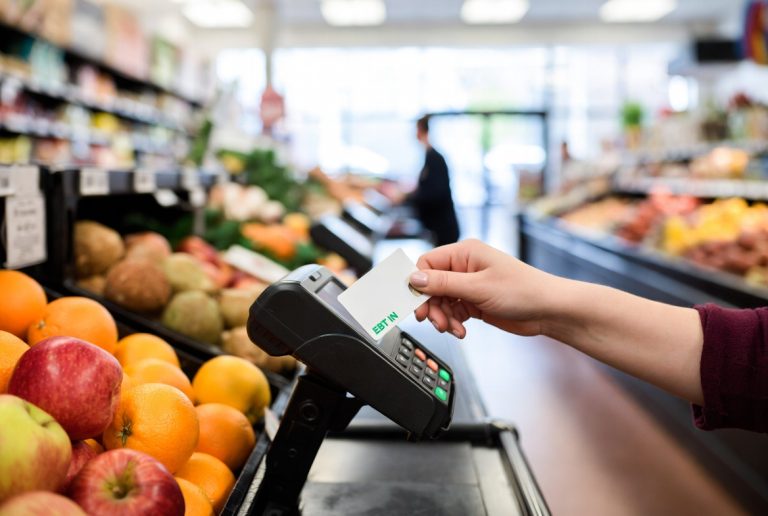
Most states now issue WIC benefits through an electronic benefits card, similar to a debit card, replacing the paper checks and vouchers that were used in the past. Each month, your approved food benefits are loaded onto your WIC card, and you can use it at authorized grocery stores and retailers. The card is programmed to only allow purchases of WIC-approved foods, so the register automatically verifies eligible items. Some states also allow you to use WIC benefits at participating farmers markets during the growing season through the WIC Farmers Market Nutrition Program, which provides additional vouchers specifically for buying fresh, locally grown fruits and vegetables. Check with your local WIC office to find authorized retailers near you and to learn about any farmers market programs available in your area.
WIC Food Packages by Category
WIC tailors its food packages to the specific nutritional needs of each participant category. Pregnant women receive foods rich in protein, iron, and folic acid, including extra servings of fruits, vegetables, and whole grains to support healthy fetal development. Breastfeeding mothers receive the largest food package, which includes additional dairy, fish, and produce to support milk production and maternal health. Postpartum women who are not breastfeeding receive a smaller package for up to six months. Infants receive iron-fortified formula if not breastfeeding, and at around six months, baby food fruits, vegetables, and cereals are added. Children ages one through four receive milk, juice, cereal, eggs, fruits, vegetables, whole grains, and a protein source. The specific brands and quantities allowed are determined by your state WIC agency.
The Importance of WIC Nutrition Education
One of the most valuable aspects of WIC that many participants do not fully utilize is the nutrition education component. WIC provides personalized nutrition counseling at each certification and recertification visit, covering topics like healthy eating during pregnancy, infant feeding practices, introducing solid foods to babies, managing picky eating in toddlers, and preparing nutritious meals on a budget. WIC nutritionists can help you create meal plans using your WIC foods, teach you how to read nutrition labels, and provide guidance on managing health conditions like gestational diabetes or childhood obesity through diet. Many WIC offices also offer group classes, cooking demonstrations, and take-home educational materials. These services are designed to help participants make lasting changes to their eating habits that benefit the whole family long after they age out of the program.
Common Myths About WIC
Several misconceptions prevent eligible families from taking advantage of WIC. One common myth is that WIC is only for unemployed or very low-income families. In reality, a family of four earning up to approximately $55,500 per year can qualify, and families already receiving Medicaid, SNAP, or TANF are automatically income-eligible. Another myth is that using WIC is embarrassing or that the shopping experience is difficult. With electronic benefit cards, using WIC at the store is now as simple as swiping any other card. Some fathers believe WIC is only for mothers, but fathers and other caregivers can absolutely apply on behalf of eligible children in their care. Working families sometimes assume they cannot attend WIC appointments during business hours, but many WIC offices now offer early morning, evening, or Saturday hours to accommodate work schedules. WIC does not affect your immigration status, and participation does not count as a public charge for immigration purposes.
How WIC Benefits Are Delivered
Most states now issue WIC benefits through an electronic benefits card, similar to a debit card, replacing the paper checks and vouchers that were used in the past. Each month, your approved food benefits are loaded onto your WIC card, and you can use it at authorized grocery stores and retailers. The card is programmed to only allow purchases of WIC-approved foods, so the register automatically verifies eligible items. Some states also allow you to use WIC benefits at participating farmers markets during the growing season through the WIC Farmers Market Nutrition Program, which provides additional vouchers specifically for buying fresh, locally grown fruits and vegetables. Check with your local WIC office to find authorized retailers near you and to learn about any farmers market programs available in your area.
WIC Food Packages by Category
WIC tailors its food packages to the specific nutritional needs of each participant category. Pregnant women receive foods rich in protein, iron, and folic acid, including extra servings of fruits, vegetables, and whole grains to support healthy fetal development. Breastfeeding mothers receive the largest food package, which includes additional dairy, fish, and produce to support milk production and maternal health. Postpartum women who are not breastfeeding receive a smaller package for up to six months. Infants receive iron-fortified formula if not breastfeeding, and at around six months, baby food fruits, vegetables, and cereals are added. Children ages one through four receive milk, juice, cereal, eggs, fruits, vegetables, whole grains, and a protein source. The specific brands and quantities allowed are determined by your state WIC agency.
The Importance of WIC Nutrition Education
One of the most valuable aspects of WIC that many participants do not fully utilize is the nutrition education component. WIC provides personalized nutrition counseling at each certification and recertification visit, covering topics like healthy eating during pregnancy, infant feeding practices, introducing solid foods to babies, managing picky eating in toddlers, and preparing nutritious meals on a budget. WIC nutritionists can help you create meal plans using your WIC foods, teach you how to read nutrition labels, and provide guidance on managing health conditions like gestational diabetes or childhood obesity through diet. Many WIC offices also offer group classes, cooking demonstrations, and take-home educational materials. These services are designed to help participants make lasting changes to their eating habits that benefit the whole family long after they age out of the program.
Common Myths About WIC
Several misconceptions prevent eligible families from taking advantage of WIC. One common myth is that WIC is only for unemployed or very low-income families. In reality, a family of four earning up to approximately $55,500 per year can qualify, and families already receiving Medicaid, SNAP, or TANF are automatically income-eligible. Another myth is that using WIC is embarrassing or that the shopping experience is difficult. With electronic benefit cards, using WIC at the store is now as simple as swiping any other card. Some fathers believe WIC is only for mothers, but fathers and other caregivers can absolutely apply on behalf of eligible children in their care. Working families sometimes assume they cannot attend WIC appointments during business hours, but many WIC offices now offer early morning, evening, or Saturday hours to accommodate work schedules. WIC does not affect your immigration status, and participation does not count as a public charge for immigration purposes.
WIC benefits are in addition to SNAP – you can receive both programs. Learn more on our Food & Nutrition page.