5 Free Resources for Job Seekers You Should Know About
Looking for a job can be challenging, but you do not have to go it alone. Here are five free resources that can help you find employment faster.
1. American Job Centers
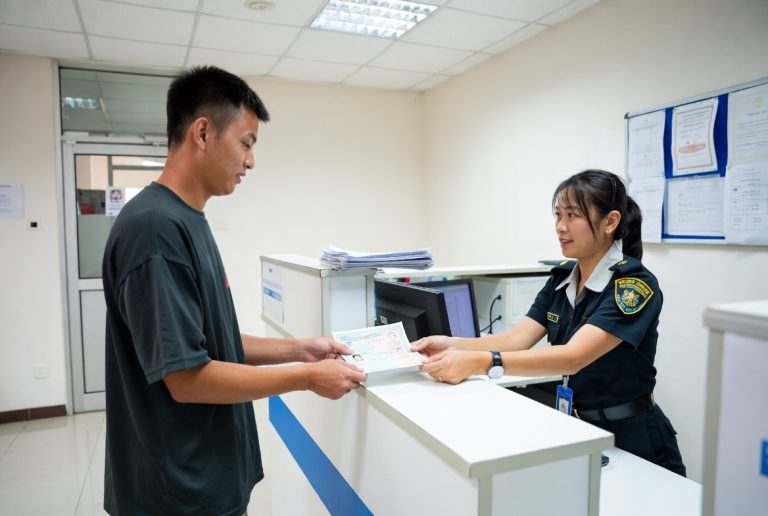
These one-stop career centers offer comprehensive free services including job listings, resume assistance, interview practice, and connections to training programs. There are nearly 2,400 centers nationwide. Find yours at CareerOneStop.org.
2. Your Local Library
Libraries offer more than books. Many provide free computer access, printing for resumes, job search workshops, and online resources like LinkedIn Learning. Some even have career counselors on staff.
3. Goodwill Career Services
Goodwill operates career centers across the country offering job training, employment placement, and supportive services. Their programs are especially helpful for people facing barriers to employment.
4. LinkedIn
Create a free LinkedIn profile to network with professionals, search for jobs, and show employers your experience. Many libraries offer free LinkedIn Learning access for skills training.
5. State Employment Websites
Your state labor department website offers job listings, unemployment benefits, and connections to training programs. Many jobs posted here are not found on other job boards.
Bonus Tips
- Let people know you are looking – networking fills many positions
- Tailor your resume for each job application
- Practice common interview questions
- Follow up after interviews with a thank-you note
Building a Strong Resume on a Budget
A well-crafted resume is your first impression with employers, and you do not need to pay for professional services to create one. Many American Job Centers provide free resume workshops where trained career counselors review your resume and offer personalized feedback. Google Docs offers free professional resume templates that you can customize. When writing your resume, focus on accomplishments rather than just listing duties. Use specific numbers when possible, such as “served 50 customers daily” or “managed inventory for a department of 200 products.” Keep your resume to one page if you have less than ten years of experience, and always proofread carefully before submitting.
Free Skills Training and Certifications
Developing new skills can make you a stronger candidate and open doors to higher-paying positions. Several platforms offer free training courses that can boost your qualifications. Coursera and edX provide free courses from top universities on topics like data analysis, project management, and customer service. Google offers free Career Certificates in fields like IT support, data analytics, and digital marketing. Many Workforce Investment programs through your local American Job Center fund occupational training and certifications at no cost to eligible job seekers. Check with your local community college as well, since many offer free or reduced-cost workforce development courses funded by state and federal grants.
Navigating Job Fairs Effectively
Job fairs are an excellent way to meet multiple employers in one day, and most are completely free to attend. Prepare by researching which companies will be present and identifying those that match your skills and interests. Bring multiple copies of your resume and dress professionally. When speaking with recruiters, prepare a brief 30-second introduction that summarizes who you are, what type of work you are seeking, and what skills you bring. Ask thoughtful questions about the company and available positions. Collect business cards and follow up with each recruiter within 48 hours via email. Many cities host regular job fairs through their workforce development agencies, chambers of commerce, and community organizations.
Overcoming Common Barriers to Employment
If you face barriers such as a criminal record, gaps in employment, lack of transportation, or limited English proficiency, know that targeted resources exist to help. Many American Job Centers have specialists who work specifically with individuals re-entering the workforce after incarceration, and some employers actively participate in Second Chance hiring programs. For transportation challenges, some communities offer free or subsidized bus passes for active job seekers. English as a Second Language (ESL) programs are available at most community colleges and adult education centers at no charge. Disability employment services through your state vocational rehabilitation agency can provide accommodations, assistive technology, and job coaching to help you succeed in the workplace.
Building a Strong Resume on a Budget
A well-crafted resume is your first impression with employers, and you do not need to pay for professional services to create one. Many American Job Centers provide free resume workshops where trained career counselors review your resume and offer personalized feedback. Google Docs offers free professional resume templates that you can customize. When writing your resume, focus on accomplishments rather than just listing duties. Use specific numbers when possible, such as “served 50 customers daily” or “managed inventory for a department of 200 products.” Keep your resume to one page if you have less than ten years of experience, and always proofread carefully before submitting.
Free Skills Training and Certifications
Developing new skills can make you a stronger candidate and open doors to higher-paying positions. Several platforms offer free training courses that can boost your qualifications. Coursera and edX provide free courses from top universities on topics like data analysis, project management, and customer service. Google offers free Career Certificates in fields like IT support, data analytics, and digital marketing. Many Workforce Investment programs through your local American Job Center fund occupational training and certifications at no cost to eligible job seekers. Check with your local community college as well, since many offer free or reduced-cost workforce development courses funded by state and federal grants.
Navigating Job Fairs Effectively
Job fairs are an excellent way to meet multiple employers in one day, and most are completely free to attend. Prepare by researching which companies will be present and identifying those that match your skills and interests. Bring multiple copies of your resume and dress professionally. When speaking with recruiters, prepare a brief 30-second introduction that summarizes who you are, what type of work you are seeking, and what skills you bring. Ask thoughtful questions about the company and available positions. Collect business cards and follow up with each recruiter within 48 hours via email. Many cities host regular job fairs through their workforce development agencies, chambers of commerce, and community organizations.
Overcoming Common Barriers to Employment
If you face barriers such as a criminal record, gaps in employment, lack of transportation, or limited English proficiency, know that targeted resources exist to help. Many American Job Centers have specialists who work specifically with individuals re-entering the workforce after incarceration, and some employers actively participate in Second Chance hiring programs. For transportation challenges, some communities offer free or subsidized bus passes for active job seekers. English as a Second Language (ESL) programs are available at most community colleges and adult education centers at no charge. Disability employment services through your state vocational rehabilitation agency can provide accommodations, assistive technology, and job coaching to help you succeed in the workplace.
Explore more resources on our Employment & Training page.