Farmers Market Benefits: Using SNAP and WIC for Fresh Produce
Farmers markets are not just for people with extra money to spend. Many markets accept SNAP and WIC, and some offer matching programs that double your benefits when you buy fresh produce.
SNAP at Farmers Markets
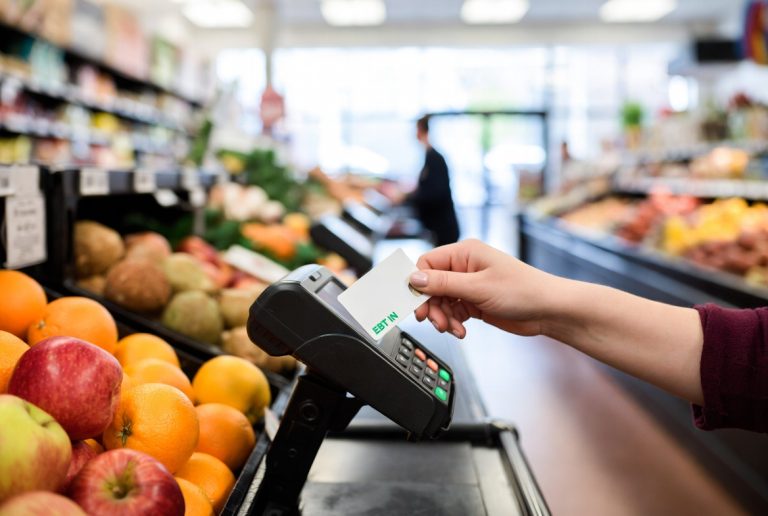
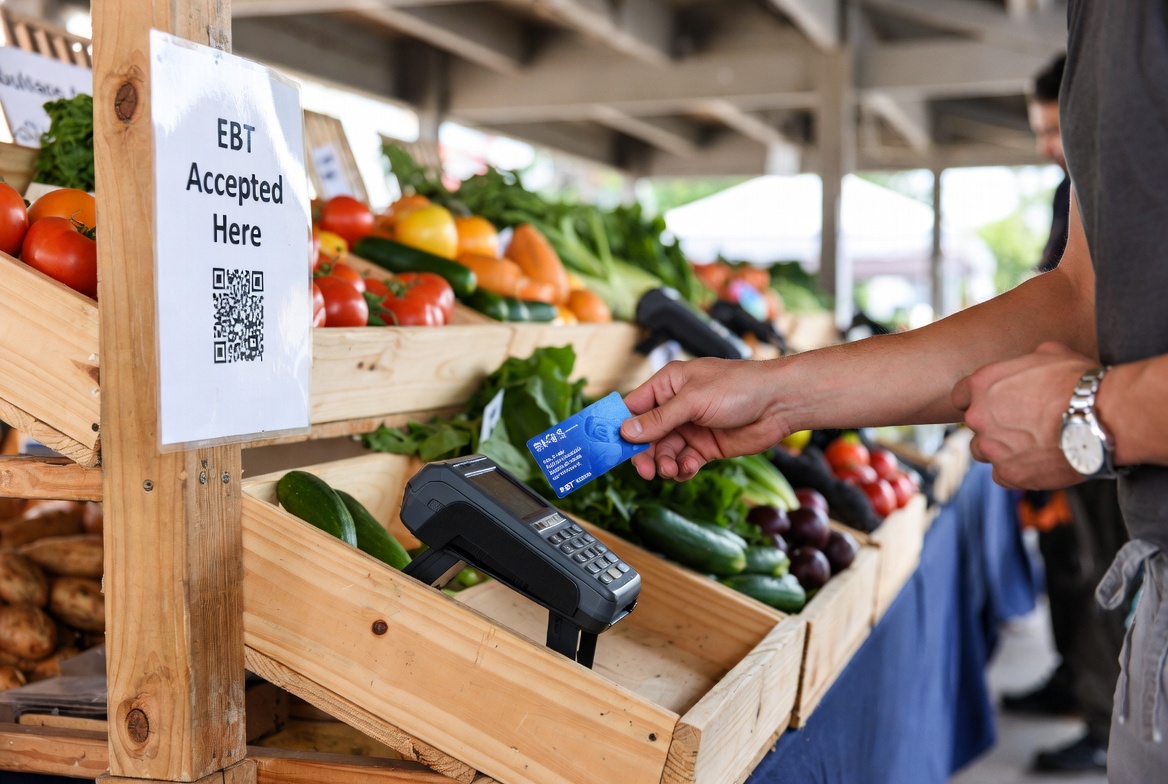
Most farmers markets accept EBT cards. Visit the market’s information booth to swipe your card and receive tokens to spend with vendors. You can purchase fruits, vegetables, meat, eggs, bread, and other food products.
SNAP Matching Programs
Double Up Food Bucks and similar programs match your SNAP dollars when you buy produce. For example, spend $10 in SNAP and get an extra $10 to spend on fruits and vegetables. Find participating markets at DoubleUpAmerica.org.
WIC Farmers Market Nutrition Program
WIC participants may receive additional benefits specifically for farmers markets during harvest season. These coupons are for fresh, locally grown fruits and vegetables in addition to regular WIC benefits.
Senior Farmers Market Program
Seniors 60+ with limited income may qualify for coupons to buy fresh produce at farmers markets. Contact your Area Agency on Aging or local senior center.
Using SNAP at Farmers Markets
SNAP benefits, formerly known as food stamps, can be used at thousands of farmers markets across the United States. When you shop at a SNAP-authorized farmers market, you swipe your EBT card at a central market booth and receive tokens or wooden coins that you use like cash at individual vendor stalls. With SNAP, you can purchase any food that is meant for human consumption, including fresh fruits and vegetables, meat, poultry, fish, dairy products, bread, grains, herbs, honey, and seeds and plants that produce food. You cannot use SNAP for prepared hot foods, alcohol, or non-food items. To find SNAP-authorized farmers markets near you, use the USDA’s Food and Nutrition Service online locator or ask at your local SNAP office. The number of farmers markets accepting SNAP has grown significantly in recent years, and many markets actively recruit new vendors and expand their SNAP infrastructure to make fresh, locally grown food accessible to more families.
Double Up Food Bucks and SNAP Incentive Programs
One of the most valuable programs for SNAP recipients who shop at farmers markets is Double Up Food Bucks, also known by other names in different states. When you spend your SNAP benefits at a participating farmers market, the program matches your SNAP purchase dollar for dollar up to a set amount, typically ten to twenty dollars per market visit. This means if you spend ten dollars in SNAP benefits, you receive an additional ten dollars in Double Up tokens that can be used to purchase fresh fruits and vegetables. The matching funds effectively double your purchasing power for produce. Similar programs exist under different names across the country, including Fresh Bucks, Market Match, Wholesome Wave, and SNAP Stretch. These incentive programs are funded by a combination of USDA grants, private foundations, and local organizations. Not every market participates, so check with your local farmers market or visit the Double Up Food Bucks website to find participating locations in your area.
WIC and Senior Farmers Market Nutrition Programs
The WIC Farmers Market Nutrition Program provides additional benefits specifically for purchasing fresh fruits, vegetables, and herbs from authorized farmers markets and roadside stands. Women who participate in WIC receive seasonal FMNP coupons, typically valued at twenty to thirty dollars per year, that can be used exclusively at farmers markets. These coupons are provided in addition to regular WIC benefits, giving families extra support for buying fresh produce during the growing season. Similarly, the Senior Farmers Market Nutrition Program provides coupons to low-income seniors aged sixty and older to purchase fresh produce at farmers markets, roadside stands, and community-supported agriculture programs. Senior FMNP benefits are typically twenty to fifty dollars per year depending on the state. Both programs operate during the local growing season, usually from June through November. Contact your local WIC office or Area Agency on Aging to find out how to sign up for these programs and which markets accept FMNP coupons in your area.
Getting the Most from Farmers Market Shopping
Shopping at farmers markets offers benefits beyond just fresh food. The produce at farmers markets is often harvested within twenty-four to forty-eight hours of being sold, which means it is at peak freshness and nutritional value. Many farmers at these markets use sustainable growing practices, even if they are not formally certified organic, and you can ask them directly about how their food is grown. To get the best deals, shop toward the end of the market day when vendors may offer discounts rather than haul unsold produce home. Buy what is in season, as seasonal items are typically the most abundant and affordable. Ask vendors about slightly imperfect produce, sometimes called seconds, which is often available at reduced prices and is perfectly good for cooking, canning, or freezing. Many markets also offer cooking demonstrations and recipes to help you make the most of unfamiliar seasonal vegetables. Building a relationship with the farmers who grow your food strengthens your connection to your community and your understanding of where your food comes from, which are benefits that go beyond dollars and cents.
Using SNAP at Farmers Markets
SNAP benefits, formerly known as food stamps, can be used at thousands of farmers markets across the United States. When you shop at a SNAP-authorized farmers market, you swipe your EBT card at a central market booth and receive tokens or wooden coins that you use like cash at individual vendor stalls. With SNAP, you can purchase any food that is meant for human consumption, including fresh fruits and vegetables, meat, poultry, fish, dairy products, bread, grains, herbs, honey, and seeds and plants that produce food. You cannot use SNAP for prepared hot foods, alcohol, or non-food items. To find SNAP-authorized farmers markets near you, use the USDA’s Food and Nutrition Service online locator or ask at your local SNAP office. The number of farmers markets accepting SNAP has grown significantly in recent years, and many markets actively recruit new vendors and expand their SNAP infrastructure to make fresh, locally grown food accessible to more families.
Double Up Food Bucks and SNAP Incentive Programs
One of the most valuable programs for SNAP recipients who shop at farmers markets is Double Up Food Bucks, also known by other names in different states. When you spend your SNAP benefits at a participating farmers market, the program matches your SNAP purchase dollar for dollar up to a set amount, typically ten to twenty dollars per market visit. This means if you spend ten dollars in SNAP benefits, you receive an additional ten dollars in Double Up tokens that can be used to purchase fresh fruits and vegetables. The matching funds effectively double your purchasing power for produce. Similar programs exist under different names across the country, including Fresh Bucks, Market Match, Wholesome Wave, and SNAP Stretch. These incentive programs are funded by a combination of USDA grants, private foundations, and local organizations. Not every market participates, so check with your local farmers market or visit the Double Up Food Bucks website to find participating locations in your area.
WIC and Senior Farmers Market Nutrition Programs
The WIC Farmers Market Nutrition Program provides additional benefits specifically for purchasing fresh fruits, vegetables, and herbs from authorized farmers markets and roadside stands. Women who participate in WIC receive seasonal FMNP coupons, typically valued at twenty to thirty dollars per year, that can be used exclusively at farmers markets. These coupons are provided in addition to regular WIC benefits, giving families extra support for buying fresh produce during the growing season. Similarly, the Senior Farmers Market Nutrition Program provides coupons to low-income seniors aged sixty and older to purchase fresh produce at farmers markets, roadside stands, and community-supported agriculture programs. Senior FMNP benefits are typically twenty to fifty dollars per year depending on the state. Both programs operate during the local growing season, usually from June through November. Contact your local WIC office or Area Agency on Aging to find out how to sign up for these programs and which markets accept FMNP coupons in your area.
Getting the Most from Farmers Market Shopping
Shopping at farmers markets offers benefits beyond just fresh food. The produce at farmers markets is often harvested within twenty-four to forty-eight hours of being sold, which means it is at peak freshness and nutritional value. Many farmers at these markets use sustainable growing practices, even if they are not formally certified organic, and you can ask them directly about how their food is grown. To get the best deals, shop toward the end of the market day when vendors may offer discounts rather than haul unsold produce home. Buy what is in season, as seasonal items are typically the most abundant and affordable. Ask vendors about slightly imperfect produce, sometimes called seconds, which is often available at reduced prices and is perfectly good for cooking, canning, or freezing. Many markets also offer cooking demonstrations and recipes to help you make the most of unfamiliar seasonal vegetables. Building a relationship with the farmers who grow your food strengthens your connection to your community and your understanding of where your food comes from, which are benefits that go beyond dollars and cents.