How to Apply for HUD Emergency Housing Vouchers: A Step-by-Step Guide
If you are facing homelessness, fleeing domestic violence, or living in dangerously unstable housing, HUD Emergency Housing Vouchers (EHVs) may be able to help. These federally funded vouchers cover a significant portion of your rent so you can move into safe, stable housing without the financial burden that usually comes with it.
Emergency Housing Vouchers were created as part of the American Rescue Plan Act to help the most vulnerable individuals and families find housing quickly. Unlike traditional Section 8 vouchers that can have years-long waiting lists, EHVs are specifically designed for people in urgent situations and are often processed much faster.
Who Qualifies for Emergency Housing Vouchers?
EHVs are targeted at people who fall into specific categories of need. You may qualify if you are currently experiencing homelessness, meaning you are living in a shelter, on the street, in your car, or in another place not meant for human habitation. People who are at imminent risk of homelessness also qualify, which includes anyone who has received an eviction notice and has no other housing options available.
Survivors of domestic violence, dating violence, sexual assault, stalking, or human trafficking are also prioritized for Emergency Housing Vouchers. If you are fleeing an unsafe living situation, you do not need to provide proof of a police report or court order in most cases. Your local Public Housing Agency (PHA) or a victim services provider can help verify your situation.
Additionally, people who were recently homeless and are currently in a temporary housing program or transitional living facility may qualify. Veterans experiencing housing instability are also given priority in many local programs.
How Emergency Housing Vouchers Work
Once approved, an EHV works similarly to a traditional Housing Choice Voucher. The voucher pays a portion of your monthly rent directly to your landlord. You are responsible for paying the difference between the voucher amount and the actual rent, though in many cases this difference is very small or even zero depending on your income level.
The amount of assistance you receive is based on the Fair Market Rent in your area and your household income. If your income is very low or you have no income at all, the voucher may cover your entire rent payment. The PHA calculates your portion based on roughly 30 percent of your adjusted gross income.
One major advantage of EHVs over traditional vouchers is that many programs offer additional financial assistance for security deposits, moving costs, and even furniture. Some PHAs also provide landlord incentive payments to encourage property owners to accept voucher holders.
Step-by-Step Application Process
Step 1: Contact your local Public Housing Agency. The first thing you need to do is find and contact your local PHA. You can search for your local agency on the HUD website at hud.gov or call HUD’s main information line at 1-800-955-2232. Not every PHA received EHV funding, so it is important to confirm that your local agency participates in the program.
Step 2: Get a referral. Unlike traditional Section 8, you typically cannot apply for EHVs directly. Instead, you need a referral from a partnering organization. This could be a homeless services agency, a Continuum of Care provider, a domestic violence shelter, or a veteran services organization. Your PHA can tell you which referral partners they work with in your area.
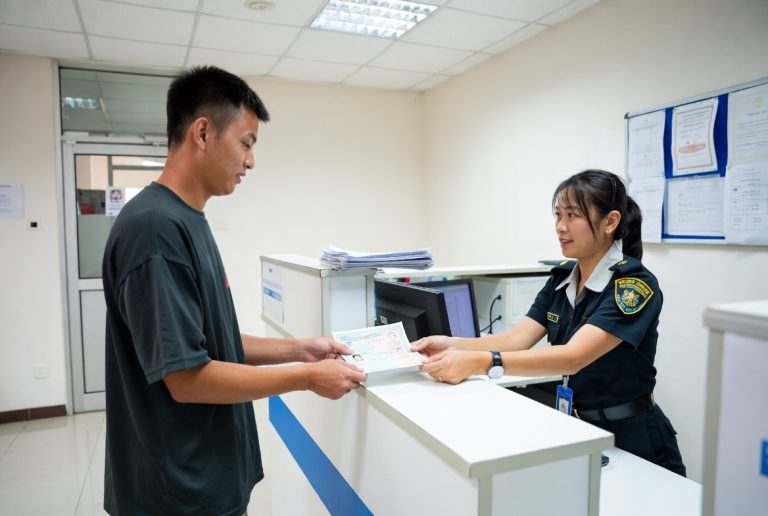
Step 3: Complete the application. Once referred, you will need to fill out an application with the PHA. This usually includes providing identification, proof of income (or lack thereof), and documentation of your housing situation. The PHA will verify your eligibility and may conduct a brief interview.
Step 4: Receive your voucher and search for housing. After approval, you will receive your voucher and can begin searching for a rental unit. Many PHAs offer housing search assistance to help you find landlords who accept vouchers. You generally have 60 to 120 days to find a unit, though extensions are often available.
Step 5: Unit inspection and lease signing. Before you can move in, the PHA must inspect the unit to ensure it meets Housing Quality Standards. Once the unit passes inspection, you sign a lease with the landlord and the PHA begins making payments on your behalf.
Tips for a Successful Application
Gather your documents early. Having your ID, Social Security card, proof of income, and any documentation of your housing crisis ready will speed up the process significantly. If you have lost these documents, many social service agencies can help you obtain replacements at no cost.
Be honest and thorough on your application. The PHA needs accurate information to determine your eligibility and calculate your assistance amount. Providing incomplete or inaccurate information can delay your application or result in a denial.
Stay in regular contact with your caseworker or PHA representative. Return phone calls promptly and attend all scheduled appointments. Missing a deadline or appointment could result in losing your place in the process.
If you are denied, ask about the appeals process. You have the right to request an informal hearing to contest the decision. Many denials are the result of missing paperwork or miscommunication and can be resolved through the appeals process.
What to Do While You Wait
While your application is being processed, make sure you have a safe place to stay. If you are currently homeless, contact your local 211 hotline by dialing 2-1-1 to find emergency shelters and temporary housing options. Many communities also have rapid rehousing programs that can provide short-term rental assistance while you wait for your voucher.
Emergency Housing Vouchers have helped tens of thousands of families move from homelessness or dangerous living situations into safe, stable housing. If you or someone you know is in a housing crisis, reaching out to your local PHA or a referral partner is the first step toward getting the help you need.