LIHEAP: How to Get Help Paying Your Utility Bills
The Low Income Home Energy Assistance Program (LIHEAP) helps millions of households pay their heating and cooling bills each year. Here is what you need to know to apply.
What Does LIHEAP Cover?
- Heating bill assistance (winter)
- Cooling bill assistance (summer)
- Energy crisis intervention (disconnection prevention)
- Weatherization and energy-related home repairs
Who Is Eligible?
Eligibility is based on household income, typically at or below 150% of the federal poverty level (some states use higher limits). Priority is often given to:
- Households with elderly members (60+)
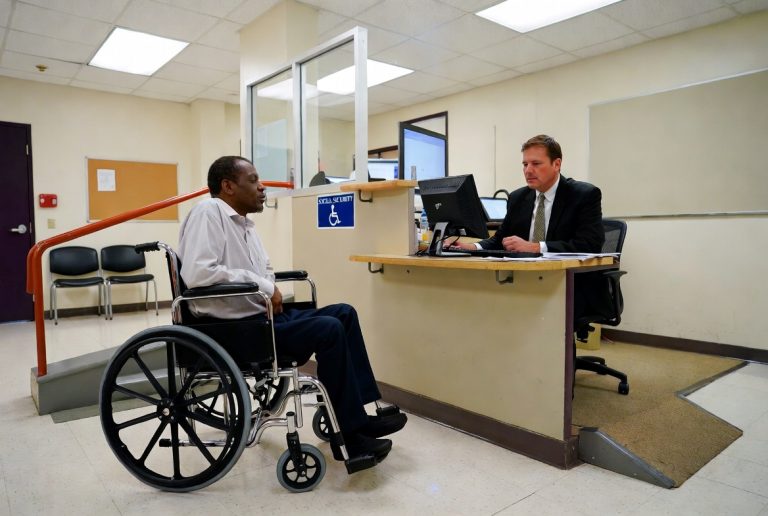
- Households with disabled members
- Families with young children
- Households with high energy costs relative to income
How to Apply
LIHEAP is administered differently in each state. To apply:
- Find your state LIHEAP office at ACF.HHS.gov or call 211
- Gather required documents (ID, Social Security cards, income proof, utility bills)
- Complete the application online, in person, or by mail
- Some states accept applications year-round; others have specific enrollment periods
What If You Are Facing Disconnection?
If your utilities are about to be shut off, ask about crisis assistance. Many states offer expedited help to prevent disconnection. Contact your utility company too – they may offer payment plans or have their own assistance programs.
Understanding LIHEAP Benefit Amounts
The amount of assistance you receive through LIHEAP varies depending on several factors including your state of residence, household size, income level, and energy costs. In most states, benefits range from $200 to $1,000 or more per heating season. Some states issue a one-time payment directly to your utility company, while others may spread assistance across several months. The benefit amount is typically higher for households with greater need, such as those with extremely low income, high energy burdens, or vulnerable members like elderly or disabled individuals. Your local LIHEAP administrator can give you a more specific estimate based on your circumstances.
Weatherization Assistance: Long-Term Energy Savings
In addition to helping pay current bills, LIHEAP funds support the Weatherization Assistance Program (WAP), which makes energy-efficiency improvements to your home at no cost. These improvements can include adding insulation to walls, attics, and floors, sealing air leaks around windows and doors, repairing or replacing inefficient heating and cooling systems, and installing energy-efficient lighting. Weatherization can reduce your energy bills by an average of $283 per year, according to the Department of Energy. This means long-term savings that continue well beyond the initial assistance. Renters can qualify too, as long as their landlord agrees to the improvements. Contact your local Community Action Agency to apply for weatherization services.
Utility Company Programs You Should Know About
Beyond LIHEAP, many utility companies offer their own assistance programs that can help reduce your energy costs. Budget billing plans spread your annual energy costs evenly across 12 months so you avoid high seasonal bills. Many utilities offer discounted rates for low-income customers, seniors, and people with medical conditions that require temperature-controlled environments. Some companies run programs where customers can voluntarily add a small amount to their bill to help fund assistance for neighbors in need. Additionally, many states have utility shut-off protections during extreme weather, meaning your electricity or gas cannot be disconnected during dangerous heat or cold periods. Contact your utility company directly to ask about available programs.
Reducing Your Energy Bills Year-Round
While assistance programs help with immediate needs, there are practical steps you can take to lower your energy costs throughout the year. Setting your thermostat a few degrees lower in winter and higher in summer can noticeably reduce your bill. Using window coverings to block summer heat and retain winter warmth costs little to nothing. Switching to LED light bulbs uses 75 percent less energy than traditional bulbs and each bulb can save you about $5 per year. Unplugging electronics when not in use eliminates phantom energy drain. Running full loads of laundry and dishes, using cold water for washing clothes, and keeping refrigerator coils clean are simple habits that add up to meaningful savings over time. Many utility companies also offer free home energy audits that identify specific ways to reduce your usage.
Understanding LIHEAP Benefit Amounts
The amount of assistance you receive through LIHEAP varies depending on several factors including your state of residence, household size, income level, and energy costs. In most states, benefits range from $200 to $1,000 or more per heating season. Some states issue a one-time payment directly to your utility company, while others may spread assistance across several months. The benefit amount is typically higher for households with greater need, such as those with extremely low income, high energy burdens, or vulnerable members like elderly or disabled individuals. Your local LIHEAP administrator can give you a more specific estimate based on your circumstances.
Weatherization Assistance: Long-Term Energy Savings
In addition to helping pay current bills, LIHEAP funds support the Weatherization Assistance Program (WAP), which makes energy-efficiency improvements to your home at no cost. These improvements can include adding insulation to walls, attics, and floors, sealing air leaks around windows and doors, repairing or replacing inefficient heating and cooling systems, and installing energy-efficient lighting. Weatherization can reduce your energy bills by an average of $283 per year, according to the Department of Energy. This means long-term savings that continue well beyond the initial assistance. Renters can qualify too, as long as their landlord agrees to the improvements. Contact your local Community Action Agency to apply for weatherization services.
Utility Company Programs You Should Know About
Beyond LIHEAP, many utility companies offer their own assistance programs that can help reduce your energy costs. Budget billing plans spread your annual energy costs evenly across 12 months so you avoid high seasonal bills. Many utilities offer discounted rates for low-income customers, seniors, and people with medical conditions that require temperature-controlled environments. Some companies run programs where customers can voluntarily add a small amount to their bill to help fund assistance for neighbors in need. Additionally, many states have utility shut-off protections during extreme weather, meaning your electricity or gas cannot be disconnected during dangerous heat or cold periods. Contact your utility company directly to ask about available programs.
Reducing Your Energy Bills Year-Round
While assistance programs help with immediate needs, there are practical steps you can take to lower your energy costs throughout the year. Setting your thermostat a few degrees lower in winter and higher in summer can noticeably reduce your bill. Using window coverings to block summer heat and retain winter warmth costs little to nothing. Switching to LED light bulbs uses 75 percent less energy than traditional bulbs and each bulb can save you about $5 per year. Unplugging electronics when not in use eliminates phantom energy drain. Running full loads of laundry and dishes, using cold water for washing clothes, and keeping refrigerator coils clean are simple habits that add up to meaningful savings over time. Many utility companies also offer free home energy audits that identify specific ways to reduce your usage.
Learn about more assistance options on our Housing & Shelter resources page.