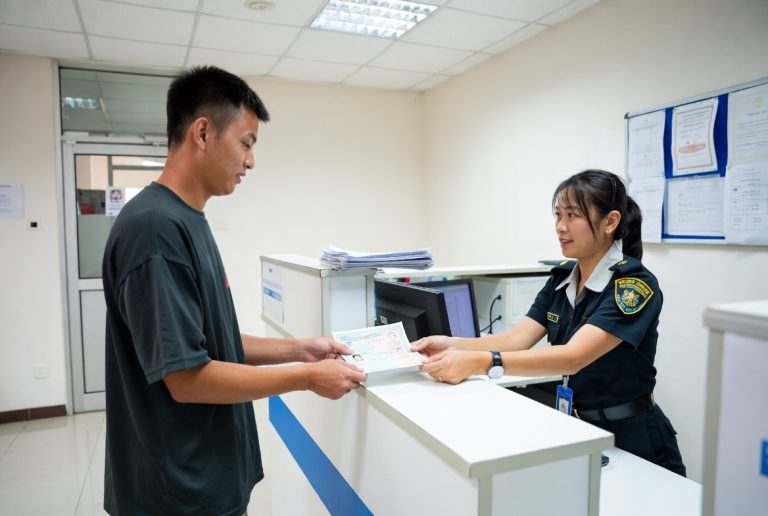
Legal Aid: Free Legal Help for Those Who Cannot Afford a Lawyer
Legal problems do not wait for you to afford a lawyer. Whether you are facing eviction, dealing with a custody issue, or need help with benefits, free legal help may be available.
Legal Aid Organizations
Legal aid offices provide free civil legal services to low-income individuals. They handle cases involving housing, family law, consumer issues, public benefits, and more. Find your local legal aid at LawHelp.org or LSC.gov.
Common Issues They Handle
- Eviction defense and housing problems
- Domestic violence and protective orders
- Child custody and support
- Public benefits denials and appeals
- Consumer fraud and debt collection
- Immigration (in some offices)
Other Free Legal Resources
- Law school clinics: Supervised law students provide free representation
- Pro bono programs: Volunteer lawyers take cases for free
- Self-help centers: Court-based help for people representing themselves
- Bar association referrals: May include low-cost options
What Legal Aid Offices Handle
Legal aid organizations provide free civil legal assistance to people who cannot afford a private attorney. They handle a wide range of cases that directly affect basic needs and safety. Common case types include eviction defense, foreclosure prevention, public benefits denials and terminations, family law matters such as custody and divorce, domestic violence protective orders, consumer debt issues, immigration matters, disability benefits appeals, and disputes with landlords over unsafe living conditions. Legal aid does not typically handle criminal cases, as those are covered by public defenders. However, some legal aid offices do help with expungement of criminal records, which can remove barriers to employment and housing. If you are facing a legal problem that threatens your housing, income, safety, or family stability, legal aid may be able to help at no cost to you.
How to Find and Qualify for Legal Aid
Legal aid is available in every state through organizations funded by the Legal Services Corporation, a federally funded nonprofit. To find your nearest legal aid office, visit lawhelp.org and select your state. You can also call your state bar association’s lawyer referral service or dial 2-1-1 for a local referral. Eligibility is generally based on income, and most programs set their threshold at 125 to 200 percent of the federal poverty level. When you contact a legal aid office, an intake specialist will ask about your legal issue and financial situation to determine whether you qualify. Because demand for free legal services far exceeds supply, legal aid offices must prioritize cases. Emergency matters such as imminent evictions, domestic violence, and loss of essential benefits typically receive the highest priority. If a legal aid office cannot take your case, they will usually refer you to other resources, such as pro bono attorneys, self-help clinics, or online legal information.
Self-Help Legal Resources
Even if you cannot get a legal aid attorney assigned to your case, there are valuable self-help resources available. Most courthouses have self-help centers where staff can help you understand court procedures and fill out legal forms, though they cannot give legal advice. Many legal aid organizations run free legal clinics where volunteer attorneys provide brief consultations and guidance on specific issues. Websites like lawhelp.org and your state court’s self-help page offer free legal information, form libraries, and step-by-step guides for common legal matters like filing for divorce, responding to an eviction, or appealing a benefits denial. Some law school clinics also provide free legal representation, with law students handling cases under the supervision of licensed attorneys. These clinics often focus on specific areas like immigration, tax issues, or small business formation.
Specialized Legal Resources
In addition to general legal aid offices, there are specialized organizations that serve specific populations. Veterans can access free legal help through Veterans Legal Services organizations operating in most states. Seniors aged sixty and older may qualify for legal assistance through their local Area Agency on Aging, which often contracts with attorneys to provide free services on issues like Medicare, Social Security, elder abuse, and estate planning. Immigrant communities can find help through organizations accredited by the Department of Justice to provide immigration legal services. People with disabilities can contact their state’s Protection and Advocacy organization for help with disability-related legal issues. Domestic violence survivors can reach the National Domestic Violence Hotline at 1-800-799-7233 for referrals to legal advocates who can help with protective orders and safety planning. Whatever your situation, there are people ready to help you navigate the legal system at no cost.
What Legal Aid Offices Handle
Legal aid organizations provide free civil legal assistance to people who cannot afford a private attorney. They handle a wide range of cases that directly affect basic needs and safety. Common case types include eviction defense, foreclosure prevention, public benefits denials and terminations, family law matters such as custody and divorce, domestic violence protective orders, consumer debt issues, immigration matters, disability benefits appeals, and disputes with landlords over unsafe living conditions. Legal aid does not typically handle criminal cases, as those are covered by public defenders. However, some legal aid offices do help with expungement of criminal records, which can remove barriers to employment and housing. If you are facing a legal problem that threatens your housing, income, safety, or family stability, legal aid may be able to help at no cost to you.
How to Find and Qualify for Legal Aid
Legal aid is available in every state through organizations funded by the Legal Services Corporation, a federally funded nonprofit. To find your nearest legal aid office, visit lawhelp.org and select your state. You can also call your state bar association’s lawyer referral service or dial 2-1-1 for a local referral. Eligibility is generally based on income, and most programs set their threshold at 125 to 200 percent of the federal poverty level. When you contact a legal aid office, an intake specialist will ask about your legal issue and financial situation to determine whether you qualify. Because demand for free legal services far exceeds supply, legal aid offices must prioritize cases. Emergency matters such as imminent evictions, domestic violence, and loss of essential benefits typically receive the highest priority. If a legal aid office cannot take your case, they will usually refer you to other resources, such as pro bono attorneys, self-help clinics, or online legal information.
Self-Help Legal Resources
Even if you cannot get a legal aid attorney assigned to your case, there are valuable self-help resources available. Most courthouses have self-help centers where staff can help you understand court procedures and fill out legal forms, though they cannot give legal advice. Many legal aid organizations run free legal clinics where volunteer attorneys provide brief consultations and guidance on specific issues. Websites like lawhelp.org and your state court’s self-help page offer free legal information, form libraries, and step-by-step guides for common legal matters like filing for divorce, responding to an eviction, or appealing a benefits denial. Some law school clinics also provide free legal representation, with law students handling cases under the supervision of licensed attorneys. These clinics often focus on specific areas like immigration, tax issues, or small business formation.
Specialized Legal Resources
In addition to general legal aid offices, there are specialized organizations that serve specific populations. Veterans can access free legal help through Veterans Legal Services organizations operating in most states. Seniors aged sixty and older may qualify for legal assistance through their local Area Agency on Aging, which often contracts with attorneys to provide free services on issues like Medicare, Social Security, elder abuse, and estate planning. Immigrant communities can find help through organizations accredited by the Department of Justice to provide immigration legal services. People with disabilities can contact their state’s Protection and Advocacy organization for help with disability-related legal issues. Domestic violence survivors can reach the National Domestic Violence Hotline at 1-800-799-7233 for referrals to legal advocates who can help with protective orders and safety planning. Whatever your situation, there are people ready to help you navigate the legal system at no cost.