Habitat for Humanity: How to Apply for an Affordable Home
Owning a home might feel impossible when you are living paycheck to paycheck, but Habitat for Humanity has helped hundreds of thousands of families across the United States become homeowners through its affordable housing program. If you have a steady income but cannot qualify for a traditional mortgage, Habitat may be the path to homeownership you have been looking for.
Habitat for Humanity is a nonprofit organization that builds and repairs homes in partnership with families in need. Homes are sold at no profit with affordable mortgage payments, making homeownership accessible to people who would otherwise be shut out of the housing market.
How the Habitat for Humanity Program Works
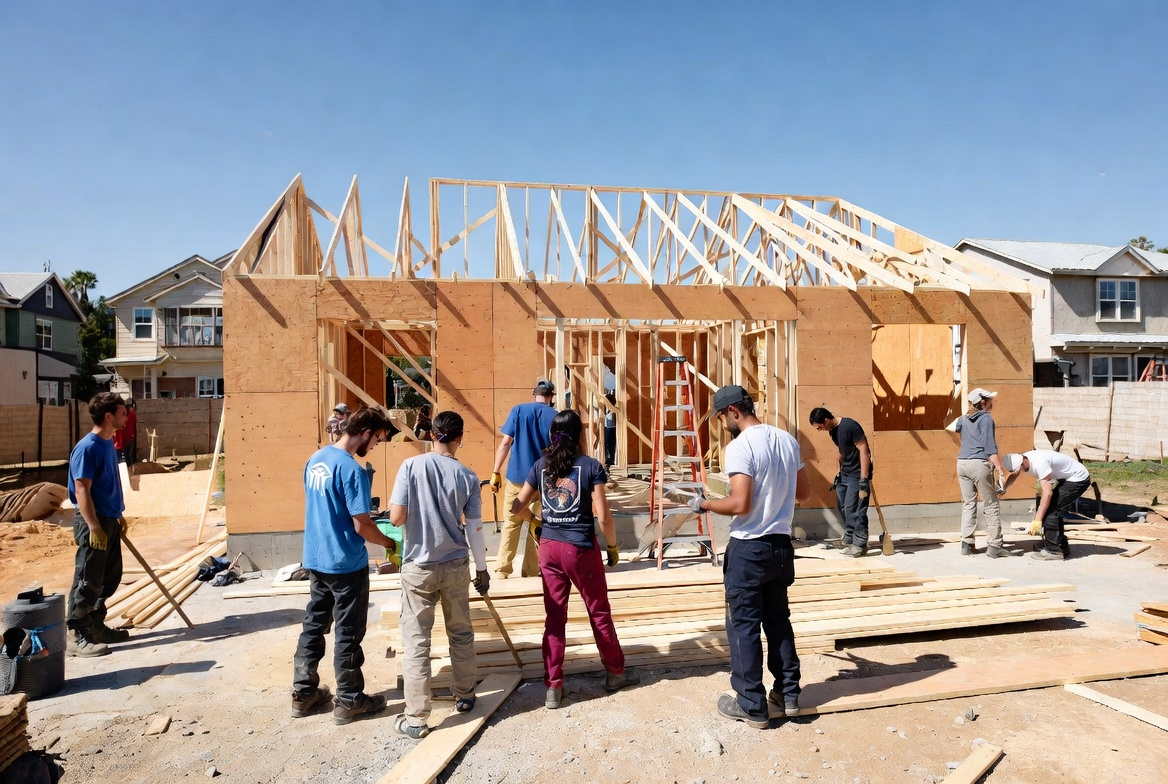
Unlike a traditional home purchase, Habitat for Humanity operates on a partnership model. Selected families do not simply receive a free home. Instead, they invest hundreds of hours of their own labor, known as sweat equity, helping to build their home or the homes of other Habitat families. This investment creates a sense of ownership and community from the very beginning.
Habitat homes are sold to partner families at no profit. The mortgage payments are set at an affordable level based on the family’s income, typically not exceeding 30 percent of gross monthly income. There is no interest charged on Habitat mortgages, or the interest rate is extremely low depending on the local affiliate. The monthly payments made by homeowners go into a revolving fund that helps build more homes for other families.
Each local Habitat for Humanity affiliate operates independently, which means the specific requirements, application process, and timeline can vary from one community to another. However, the core principles remain the same nationwide.
Eligibility Requirements
Need for adequate housing: You must currently be living in substandard or overcrowded housing, paying more than 30 percent of your income on rent, or otherwise in need of better housing. Habitat prioritizes families whose current living situation is unsafe, unhealthy, or unsustainable.
Ability to pay: You need a steady source of income to make the affordable mortgage payments. Habitat is not looking for families who are wealthy enough for a traditional mortgage, but you do need to demonstrate that you can handle the reduced monthly payments. Most affiliates look for a household income between 30 and 80 percent of the area median income.
Willingness to partner: Every selected family must complete a set number of sweat equity hours, which typically ranges from 200 to 500 hours depending on the affiliate. These hours can be completed by working on your own home, volunteering on other Habitat builds, or helping with administrative tasks. Many affiliates also require families to attend homeowner education classes covering budgeting, home maintenance, and mortgage management.
The Application Process
Find your local affiliate. Habitat for Humanity operates through more than 1,100 local affiliates across the United States. Visit habitat.org and use the affiliate finder tool to locate the one serving your community. Each affiliate has its own application timeline, so some may accept applications year-round while others have specific application periods.
Attend an information session. Most affiliates require prospective applicants to attend an orientation or information session before submitting an application. These sessions explain the program requirements, timeline, and what to expect throughout the process. Attendance is usually mandatory before you can receive an application.
Submit your application. The application will ask for detailed information about your household members, income, employment, current housing situation, and financial obligations. You will typically need to provide pay stubs, tax returns, bank statements, identification, and references. Be thorough and honest on your application.
Interview and selection. If your application meets the initial criteria, you will be invited for an interview with the family selection committee. This committee is made up of local volunteers and Habitat staff who review each applicant based on need, ability to pay, and willingness to partner. The selection process is competitive, as there are usually more applicants than available homes.
Homeowner education and sweat equity. Once selected, you will begin your sweat equity hours and attend required classes. This phase can last several months to over a year, depending on the build schedule and your affiliate’s requirements.
Move into your new home. After completing your sweat equity hours and education requirements, you will close on your home and move in. Your affordable mortgage payments begin at this point, and you are officially a homeowner.
Tips for a Strong Application
Start by getting your finances in order. While Habitat does not require perfect credit, having a plan to address outstanding debts or delinquent accounts will strengthen your application. Some affiliates offer financial coaching to help applicants improve their credit before reapplying.
Document your current housing situation thoroughly. If your home has safety issues, overcrowding, or high costs relative to your income, make sure this is clearly reflected in your application. Photographs and written descriptions can be helpful.
Show your commitment to the program. Attend every information session, respond to communications promptly, and demonstrate your willingness to invest your time and labor. The committee wants to see that you are serious about the partnership.
If you are not selected on your first application, ask for feedback and try again. Many successful Habitat homeowners were not selected the first time they applied. Use the time between applications to improve your financial situation and address any weaknesses in your previous application.
Beyond New Construction
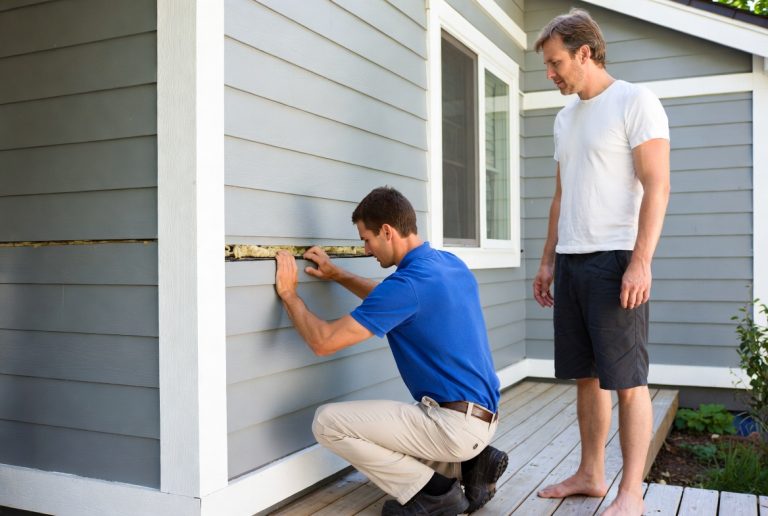
Many people do not realize that Habitat for Humanity also operates home repair programs. If you already own your home but cannot afford critical repairs like a new roof, plumbing, accessibility modifications, or weatherization, your local Habitat affiliate may be able to help. These programs are often available to seniors, veterans, and people with disabilities who own their homes but struggle to maintain them.
Habitat for Humanity has built or repaired more than 800,000 homes worldwide. If you are a hardworking family that dreams of owning a safe, decent home but cannot access traditional financing, Habitat could be the opportunity that changes everything for your family.