Understanding WIC: Nutrition Help for Mothers and Young Children
The Special Supplemental Nutrition Program for Women, Infants, and Children (WIC) provides healthy food, nutrition education, and healthcare referrals to pregnant women, new mothers, and children under five. Here is everything you need to know about this valuable program.
Who Qualifies for WIC?
- Pregnant women
- Women who recently gave birth (up to 6 months postpartum, or 12 months if breastfeeding)
- Infants and children under age 5
- Income at or below 185% of federal poverty level
- Nutritional risk as determined by a health professional
What WIC Provides
WIC benefits include specific healthy foods tailored to your needs:
- Milk, cheese, and yogurt
- Eggs
- Whole grain bread and cereal
- Fruits and vegetables (including fresh produce)
- Peanut butter and beans
- Infant formula and baby food
- Breastfeeding support and supplies
How to Apply
Contact your local WIC office to schedule an appointment. You will need to provide proof of income, identification, and proof of address. A health screening determines nutritional risk. Many states now offer online pre-screening and appointments.
WIC participation does not affect your immigration status. If you or your children qualify, this program can make a real difference in your family’s health and nutrition.
Who Qualifies for WIC Benefits?
WIC serves specific groups: pregnant women, breastfeeding mothers up to one year postpartum, non-breastfeeding mothers up to six months postpartum, infants from birth to their first birthday, and children up to age five. Income eligibility is set at 185 percent of the federal poverty level, which means a family of four earning up to approximately $55,500 per year may qualify. If you already receive Medicaid, SNAP, or TANF benefits, you are automatically income-eligible for WIC.
WIC also requires a nutrition risk assessment, but this is not meant to be a barrier. Nutrition risk can include medical conditions like anemia or being underweight, or dietary risks such as not eating enough fruits and vegetables. Virtually all applicants who meet the income guidelines also meet the nutrition risk requirement. The assessment is simply a way for WIC staff to tailor the food package and nutrition education to your specific needs.
What Foods Does WIC Provide?
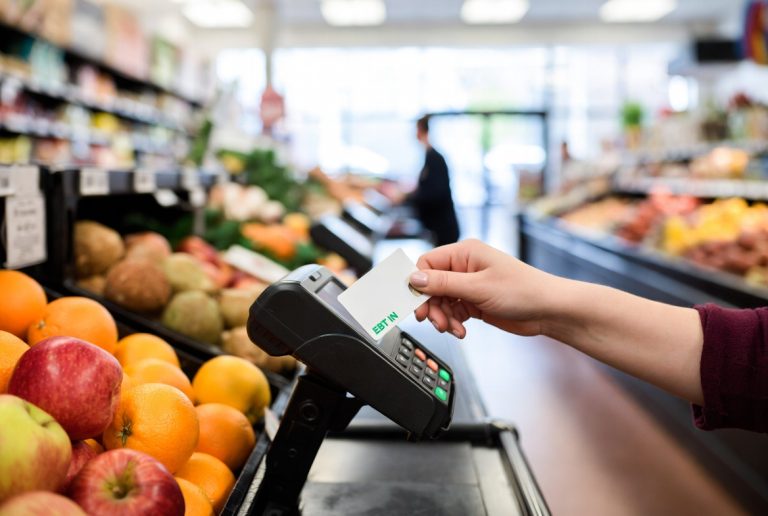
WIC food packages are designed to supplement your diet with specific nutrients that are important during pregnancy, infancy, and early childhood. The foods vary based on your category but typically include milk, cheese, eggs, whole grain bread or cereal, juice, peanut butter or dried beans, fruits and vegetables, and infant formula or baby food. Most states now use an electronic benefits card similar to a debit card that you swipe at the grocery store checkout.
Breastfeeding mothers receive an enhanced food package with more fruits, vegetables, and other nutritious foods as an incentive to continue breastfeeding. WIC strongly encourages and supports breastfeeding through certified lactation consultants, peer counselors, and even breast pump loans. The cash value benefit for fruits and vegetables has been increased in recent years, giving families more flexibility to purchase fresh produce they enjoy.
WIC Beyond Food: Education and Referrals
Many families do not realize that WIC offers much more than food benefits. Every WIC visit includes nutrition education tailored to your situation, whether you are navigating a healthy pregnancy, introducing solid foods to your baby, or dealing with a picky toddler. WIC nutritionists can answer questions about portion sizes, food allergies, meal planning on a budget, and healthy weight gain during pregnancy.
WIC clinics also serve as a gateway to other community resources. Staff routinely screen participants and provide referrals for Medicaid, SNAP, housing assistance, immunizations, lead poisoning prevention, and early childhood development programs like Head Start. If you are pregnant, WIC can help connect you with prenatal care providers. Many WIC offices are located within community health centers, making it convenient to access multiple services in one trip. Enrolling in WIC is one of the most effective steps a young family can take to support healthy development during the critical first years of life.
Who Qualifies for WIC Benefits?
WIC serves specific groups: pregnant women, breastfeeding mothers up to one year postpartum, non-breastfeeding mothers up to six months postpartum, infants from birth to their first birthday, and children up to age five. Income eligibility is set at 185 percent of the federal poverty level, which means a family of four earning up to approximately $55,500 per year may qualify. If you already receive Medicaid, SNAP, or TANF benefits, you are automatically income-eligible for WIC.
WIC also requires a nutrition risk assessment, but this is not meant to be a barrier. Nutrition risk can include medical conditions like anemia or being underweight, or dietary risks such as not eating enough fruits and vegetables. Virtually all applicants who meet the income guidelines also meet the nutrition risk requirement. The assessment is simply a way for WIC staff to tailor the food package and nutrition education to your specific needs.
What Foods Does WIC Provide?
WIC food packages are designed to supplement your diet with specific nutrients that are important during pregnancy, infancy, and early childhood. The foods vary based on your category but typically include milk, cheese, eggs, whole grain bread or cereal, juice, peanut butter or dried beans, fruits and vegetables, and infant formula or baby food. Most states now use an electronic benefits card similar to a debit card that you swipe at the grocery store checkout.
Breastfeeding mothers receive an enhanced food package with more fruits, vegetables, and other nutritious foods as an incentive to continue breastfeeding. WIC strongly encourages and supports breastfeeding through certified lactation consultants, peer counselors, and even breast pump loans. The cash value benefit for fruits and vegetables has been increased in recent years, giving families more flexibility to purchase fresh produce they enjoy.
WIC Beyond Food: Education and Referrals
Many families do not realize that WIC offers much more than food benefits. Every WIC visit includes nutrition education tailored to your situation, whether you are navigating a healthy pregnancy, introducing solid foods to your baby, or dealing with a picky toddler. WIC nutritionists can answer questions about portion sizes, food allergies, meal planning on a budget, and healthy weight gain during pregnancy.
WIC clinics also serve as a gateway to other community resources. Staff routinely screen participants and provide referrals for Medicaid, SNAP, housing assistance, immunizations, lead poisoning prevention, and early childhood development programs like Head Start. If you are pregnant, WIC can help connect you with prenatal care providers. Many WIC offices are located within community health centers, making it convenient to access multiple services in one trip. Enrolling in WIC is one of the most effective steps a young family can take to support healthy development during the critical first years of life.