Facing Eviction? Here Are Your Rights and Options
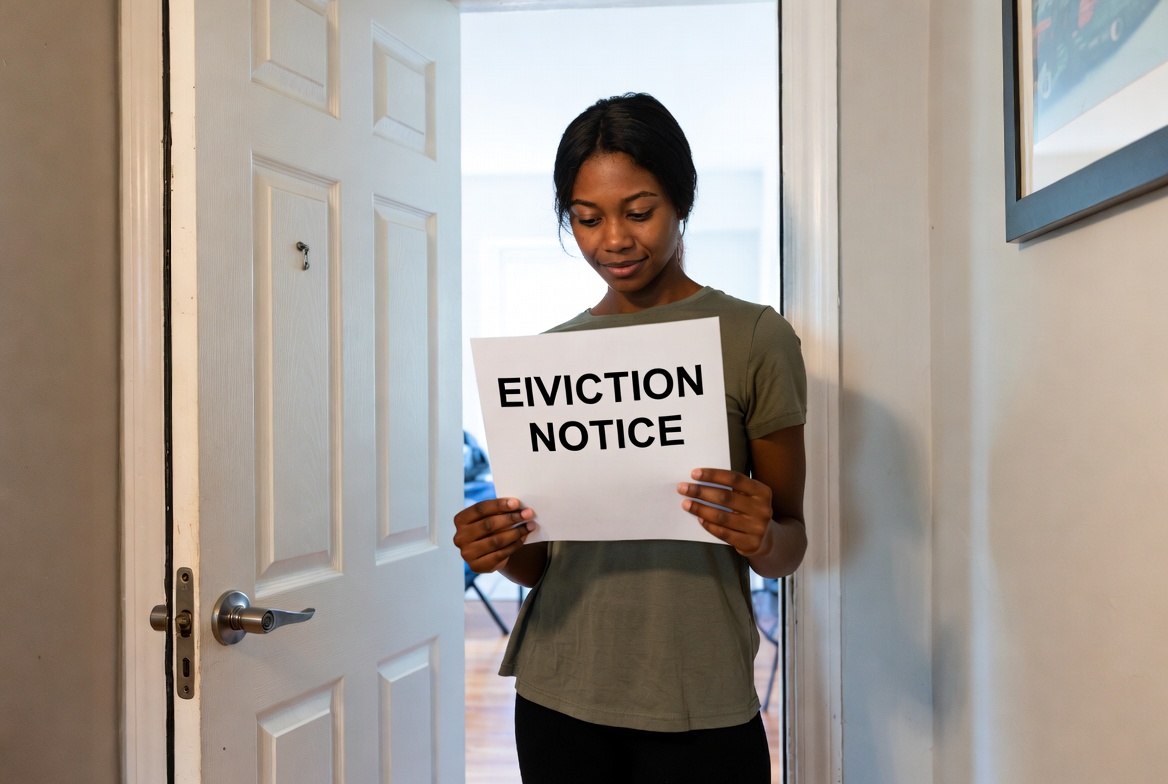
Receiving an eviction notice is frightening, but you have rights and options. Taking quick action can help you stay in your home or at least buy time to find alternatives. Here is what you need to know.
Understand the Eviction Process
Eviction is a legal process that takes time:
- Landlord must provide proper written notice
- If you do not leave or fix the problem, landlord files in court
- You receive a summons to appear in court
- A judge decides the case
- Only a sheriff or marshal can physically remove you after a court order
Know Your Rights
- You must receive proper legal notice before eviction proceedings
- You have the right to appear in court and present your side
- Landlords cannot lock you out, shut off utilities, or remove your belongings without a court order
- You may have defenses (improper notice, landlord retaliation, uninhabitable conditions)
Steps to Take Now
- Read your notice carefully – note deadlines and what is required
- Try to negotiate with your landlord – many prefer payment plans over eviction
- Apply for rental assistance – programs may pay your back rent
- Seek legal help – free legal aid may be available in your area
- Show up to court – many evictions are lost simply because tenants do not appear
Where to Get Help
- Call 211 for local assistance programs
- Search for legal aid at LawHelp.org
- Contact your state’s tenant rights organization
- Ask about emergency rental assistance in your area
Do not ignore an eviction notice, but do not panic either. Many families facing eviction are able to stay in their homes by taking action quickly and knowing their options.
Understanding the Eviction Process
Eviction is a legal process with specific steps that your landlord must follow. It cannot happen overnight. In most states, the process begins with a written notice giving you a set number of days to pay overdue rent or correct a lease violation. This is often called a pay-or-quit notice or cure-or-quit notice, and the timeframe varies by state, typically ranging from three to 30 days. During this notice period, you still have time to resolve the issue, negotiate with your landlord, or seek assistance.
If the notice period expires without resolution, the landlord must file an eviction lawsuit, commonly called an unlawful detainer action, with the local court. You will receive a court summons and have the opportunity to respond and present your side. Never ignore court papers. Even if you believe the eviction is justified, appearing in court gives you the chance to negotiate a move-out agreement, request more time, or present defenses you may not be aware of.
Legal Defenses Against Eviction
Several legal defenses may apply in your eviction case. If your landlord failed to properly maintain the property, you may have a defense based on breach of the warranty of habitability. If the landlord did not follow proper notice procedures, the case may be dismissed on procedural grounds. Retaliatory evictions, where a landlord evicts you for complaining about conditions or exercising legal rights, are illegal in most states. Discriminatory evictions based on race, religion, national origin, disability, familial status, or sex violate federal fair housing laws.
Even without a strong legal defense, you may be able to negotiate favorable terms. Many courts encourage or require mediation before proceeding to trial. Through mediation, you might agree to a payment plan for back rent, a longer move-out timeline, or even a dismissal of the case in exchange for voluntary departure by a specific date. Having a negotiated agreement is almost always better than having an eviction judgment on your record, which can make it extremely difficult to rent in the future.
Getting Legal Help
Free legal assistance is available for tenants facing eviction in many communities. Legal aid organizations provide free representation to low-income tenants in housing court. Many cities have also established right-to-counsel programs that guarantee free legal representation for tenants facing eviction, regardless of income. Studies show that tenants with lawyers are far more likely to remain in their homes or receive favorable outcomes compared to those without representation.
To find free legal help, contact your local legal aid society, call the Legal Services Corporation at 202-295-1500, or visit lawhelp.org to search for legal aid providers in your state. Many courts also have self-help centers where staff can explain procedures and help you fill out forms, though they cannot give legal advice. If you are a veteran, active military, or have a disability, additional legal protections and resources may be available to you. The Servicemembers Civil Relief Act, for instance, provides special protections against eviction for active-duty military members.
Understanding the Eviction Process
Eviction is a legal process with specific steps that your landlord must follow. It cannot happen overnight. In most states, the process begins with a written notice giving you a set number of days to pay overdue rent or correct a lease violation. This is often called a pay-or-quit notice or cure-or-quit notice, and the timeframe varies by state, typically ranging from three to 30 days. During this notice period, you still have time to resolve the issue, negotiate with your landlord, or seek assistance.
If the notice period expires without resolution, the landlord must file an eviction lawsuit, commonly called an unlawful detainer action, with the local court. You will receive a court summons and have the opportunity to respond and present your side. Never ignore court papers. Even if you believe the eviction is justified, appearing in court gives you the chance to negotiate a move-out agreement, request more time, or present defenses you may not be aware of.
Legal Defenses Against Eviction
Several legal defenses may apply in your eviction case. If your landlord failed to properly maintain the property, you may have a defense based on breach of the warranty of habitability. If the landlord did not follow proper notice procedures, the case may be dismissed on procedural grounds. Retaliatory evictions, where a landlord evicts you for complaining about conditions or exercising legal rights, are illegal in most states. Discriminatory evictions based on race, religion, national origin, disability, familial status, or sex violate federal fair housing laws.
Even without a strong legal defense, you may be able to negotiate favorable terms. Many courts encourage or require mediation before proceeding to trial. Through mediation, you might agree to a payment plan for back rent, a longer move-out timeline, or even a dismissal of the case in exchange for voluntary departure by a specific date. Having a negotiated agreement is almost always better than having an eviction judgment on your record, which can make it extremely difficult to rent in the future.
Getting Legal Help
Free legal assistance is available for tenants facing eviction in many communities. Legal aid organizations provide free representation to low-income tenants in housing court. Many cities have also established right-to-counsel programs that guarantee free legal representation for tenants facing eviction, regardless of income. Studies show that tenants with lawyers are far more likely to remain in their homes or receive favorable outcomes compared to those without representation.
To find free legal help, contact your local legal aid society, call the Legal Services Corporation at 202-295-1500, or visit lawhelp.org to search for legal aid providers in your state. Many courts also have self-help centers where staff can explain procedures and help you fill out forms, though they cannot give legal advice. If you are a veteran, active military, or have a disability, additional legal protections and resources may be available to you. The Servicemembers Civil Relief Act, for instance, provides special protections against eviction for active-duty military members.