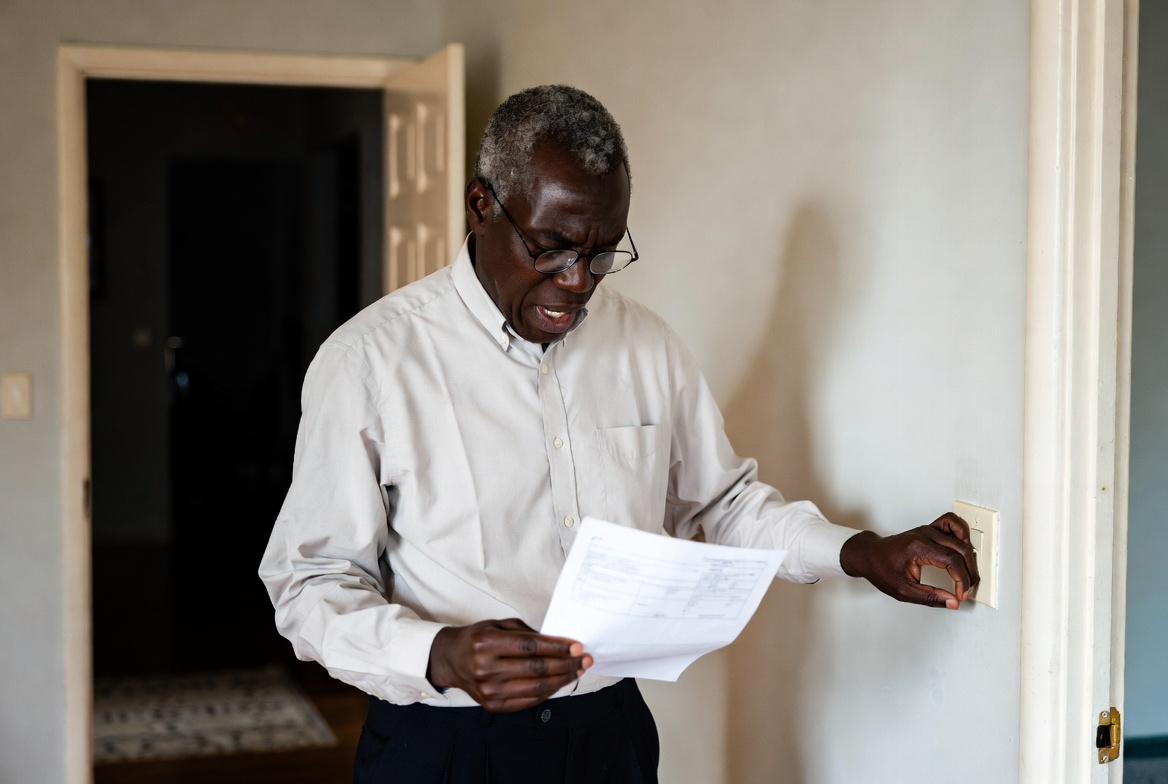
Utility Shutoff Protections: Know Your Rights Before the Power Goes Out
Before a utility company can disconnect your service, they must follow certain rules. Understanding your protections and acting quickly can help you keep the lights on.
Common Shutoff Protections
- Medical certificates: Protection if someone in the household has a serious illness
- Winter moratoriums: Many states prohibit shutoffs during extreme cold
- Notice requirements: Companies must provide advance warning before disconnection
- Payment plan rights: You may have the right to a payment arrangement
- Senior and disability protections: Additional rules may apply
Steps to Prevent Shutoff
- Contact your utility company immediately to discuss options
- Ask about budget billing to even out payments
- Apply for LIHEAP and other assistance programs
- Request a payment plan for past-due amounts
- Get a medical certificate if applicable
Contact your state’s public utility commission to learn about protections in your area. Do not wait until service is disconnected – reach out for help now.
Understanding Your Legal Rights
Every state has a public utility commission or public service commission that regulates how and when utility companies can disconnect service. These agencies establish rules that utility providers must follow before shutting off electricity, gas, or water. Knowing the specific rules in your state is the first step toward protecting your household from an unexpected shutoff.
In most states, utility companies are required to send a written notice at least 10 to 15 days before disconnecting service. The notice must include the amount owed, the date by which payment must be received, and information about how to dispute the bill or request a payment arrangement. If you did not receive proper notice, the shutoff may be illegal, and you should file a complaint with your state utility commission immediately.
Seasonal and Temperature-Based Protections
Many states enforce winter moratoriums that prohibit utility disconnections during the coldest months, typically from November through March. Some states also have summer protections when temperatures exceed dangerous levels. These moratoriums exist because losing heat or cooling during extreme weather can be life-threatening, especially for children, elderly individuals, and people with chronic medical conditions.
States with strong seasonal protections include Connecticut, Illinois, Massachusetts, Michigan, Minnesota, New York, and Wisconsin, among others. Even if your state does not have a formal moratorium, many utility companies voluntarily suspend disconnections during dangerous weather events. Always call your provider to ask about seasonal protections before assuming your service will be cut.
Financial Assistance Programs
The Low Income Home Energy Assistance Program, known as LIHEAP, is the largest federal program designed to help families pay their utility bills. LIHEAP is administered by each state and provides one-time payments directly to utility companies on behalf of eligible households. Eligibility is typically based on household income at or below 150 percent of the federal poverty level, though this varies by state.
Beyond LIHEAP, many utility companies offer their own hardship funds and discount rate programs for low-income customers. Programs like California’s CARE program, Ohio’s PIPP Plus, and New York’s Home Energy Assistance Program provide ongoing rate reductions that can lower monthly bills by 20 to 35 percent. Contact your utility provider directly and ask about all available assistance programs, payment plans, and levelized billing options that spread costs evenly throughout the year.
How to Act When You Receive a Shutoff Notice
If you receive a disconnection notice, do not ignore it. Call your utility provider the same day and explain your situation. Ask specifically about deferred payment agreements, which allow you to pay off past-due balances in installments while keeping service active. Most utility companies are required to offer at least one payment arrangement before disconnecting service for the first time.
If someone in your household has a serious medical condition, ask your doctor to provide a medical certificate to the utility company. In nearly every state, a valid medical certificate will delay or prevent disconnection for a set period, usually 30 days, and can often be renewed. Keep copies of all correspondence and document every phone call, including the date, time, and name of the representative you spoke with.
Understanding Your Legal Rights
Every state has a public utility commission or public service commission that regulates how and when utility companies can disconnect service. These agencies establish rules that utility providers must follow before shutting off electricity, gas, or water. Knowing the specific rules in your state is the first step toward protecting your household from an unexpected shutoff.
In most states, utility companies are required to send a written notice at least 10 to 15 days before disconnecting service. The notice must include the amount owed, the date by which payment must be received, and information about how to dispute the bill or request a payment arrangement. If you did not receive proper notice, the shutoff may be illegal, and you should file a complaint with your state utility commission immediately.
Seasonal and Temperature-Based Protections
Many states enforce winter moratoriums that prohibit utility disconnections during the coldest months, typically from November through March. Some states also have summer protections when temperatures exceed dangerous levels. These moratoriums exist because losing heat or cooling during extreme weather can be life-threatening, especially for children, elderly individuals, and people with chronic medical conditions.
States with strong seasonal protections include Connecticut, Illinois, Massachusetts, Michigan, Minnesota, New York, and Wisconsin, among others. Even if your state does not have a formal moratorium, many utility companies voluntarily suspend disconnections during dangerous weather events. Always call your provider to ask about seasonal protections before assuming your service will be cut.
Financial Assistance Programs
The Low Income Home Energy Assistance Program, known as LIHEAP, is the largest federal program designed to help families pay their utility bills. LIHEAP is administered by each state and provides one-time payments directly to utility companies on behalf of eligible households. Eligibility is typically based on household income at or below 150 percent of the federal poverty level, though this varies by state.
Beyond LIHEAP, many utility companies offer their own hardship funds and discount rate programs for low-income customers. Programs like California’s CARE program, Ohio’s PIPP Plus, and New York’s Home Energy Assistance Program provide ongoing rate reductions that can lower monthly bills by 20 to 35 percent. Contact your utility provider directly and ask about all available assistance programs, payment plans, and levelized billing options that spread costs evenly throughout the year.
How to Act When You Receive a Shutoff Notice
If you receive a disconnection notice, do not ignore it. Call your utility provider the same day and explain your situation. Ask specifically about deferred payment agreements, which allow you to pay off past-due balances in installments while keeping service active. Most utility companies are required to offer at least one payment arrangement before disconnecting service for the first time.
If someone in your household has a serious medical condition, ask your doctor to provide a medical certificate to the utility company. In nearly every state, a valid medical certificate will delay or prevent disconnection for a set period, usually 30 days, and can often be renewed. Keep copies of all correspondence and document every phone call, including the date, time, and name of the representative you spoke with.