Substance Abuse Treatment: Free and Sliding-Scale Recovery Programs
Addiction is a medical condition, not a moral failing, and effective treatment is available regardless of your financial situation. One of the most persistent myths about substance abuse recovery is that quality treatment is only accessible to people who can afford expensive private rehabilitation centers. The truth is that there are thousands of free and low-cost treatment programs across the United States funded by federal, state, and local governments, as well as nonprofit organizations and faith-based groups. If you or someone you care about is struggling with addiction, cost should never be the reason treatment does not happen.
Understanding the Types of Treatment Available
Substance abuse treatment is not a one-size-fits-all process. Different levels of care are appropriate for different situations, and a good treatment provider will help you determine which level is right for you. The main types of treatment include detoxification, which provides medical supervision while your body clears itself of substances. Inpatient or residential treatment involves staying at a facility for a period of time, typically 28 to 90 days, while receiving intensive therapy and support. Outpatient treatment allows you to live at home while attending regular therapy sessions, which can range from a few hours per week to several hours per day in intensive outpatient programs.
Medication-assisted treatment, or MAT, combines behavioral therapy with FDA-approved medications like methadone, buprenorphine, or naltrexone to treat opioid and alcohol use disorders. MAT has been proven to significantly improve outcomes and reduce the risk of relapse and overdose. Peer support services, including 12-step programs and other recovery support groups, provide ongoing community and accountability throughout the recovery process.
Free Treatment Through SAMHSA-Funded Programs
The Substance Abuse and Mental Health Services Administration, known as SAMHSA, is the primary federal agency responsible for funding substance abuse treatment. SAMHSA distributes billions of dollars each year through block grants to states, which in turn fund treatment facilities throughout the country. These federally funded programs are required to serve individuals regardless of their ability to pay.
To find SAMHSA-funded treatment near you, use the agency’s free treatment locator at findtreatment.gov or call the SAMHSA National Helpline at 1-800-662-4357. This helpline operates 24 hours a day, 7 days a week, 365 days a year, and provides free referrals in English and Spanish. The helpline staff will not ask for personal information and will help connect you to local programs that match your needs and financial situation.
State-funded treatment programs are another major source of free care. Every state operates its own substance abuse treatment system funded by a combination of federal block grants and state dollars. These programs typically prioritize certain populations, including pregnant women, injection drug users, and people at risk of losing custody of their children, but they serve a broad range of individuals in need. Contact your state’s substance abuse agency to learn about available programs and how to access them.
Medicaid Coverage for Addiction Treatment
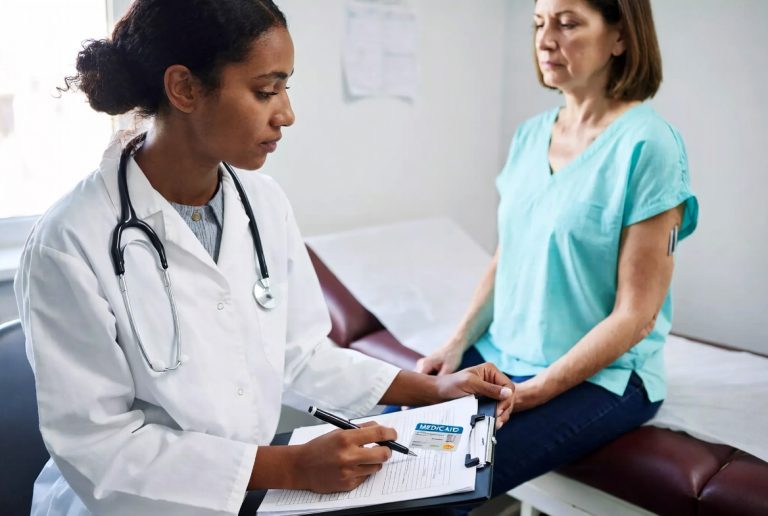
Medicaid is one of the most important funding sources for substance abuse treatment in the United States. Under the Affordable Care Act, substance use disorder treatment is classified as an essential health benefit, which means Medicaid programs are required to cover it. If you are enrolled in Medicaid, you have access to a range of treatment services including detox, inpatient rehabilitation, outpatient therapy, medication-assisted treatment, and recovery support services.
In states that expanded Medicaid, single adults with incomes up to 138 percent of the Federal Poverty Level qualify for coverage. This expansion has been particularly impactful for people seeking addiction treatment, as many individuals with substance use disorders are low-income adults who previously had no insurance options. If you are not currently enrolled in Medicaid but think you might qualify, apply immediately. There is no enrollment period for Medicaid, and coverage can begin as soon as your application is approved.
Sliding-Scale and Nonprofit Treatment Centers
Many nonprofit treatment centers operate on a sliding-scale fee structure, meaning the cost of treatment is adjusted based on your income. If you earn very little or have no income at all, treatment may be completely free. These centers are funded through a combination of government grants, private donations, and revenue from clients who can afford to pay.
The Salvation Army operates the largest network of free residential substance abuse treatment programs in the country through its Adult Rehabilitation Centers. These programs typically last six months and include housing, meals, counseling, work therapy, and spiritual support. Catholic Charities, Lutheran Services, and other faith-based organizations also operate treatment programs in many communities, often at no cost.
Community health centers that receive federal funding are another excellent resource. These centers are required to provide services on a sliding-scale basis and many offer substance abuse counseling and medication-assisted treatment. You can find a community health center near you at findahealthcenter.hrsa.gov.
Free Support Groups and Peer Recovery Services
Peer support is a critical component of long-term recovery, and it is almost always free. Alcoholics Anonymous and Narcotics Anonymous are the most widely known recovery support groups, with meetings held in virtually every community in the country. These meetings are always free to attend and require no registration or commitment. SMART Recovery is a science-based alternative that uses cognitive behavioral techniques and is also free, with both in-person and online meetings available.
Many communities now have peer recovery support centers staffed by people who are in recovery themselves. These centers offer a drug-free environment where you can get help with everything from finding treatment to securing housing and employment. Recovery coaches and peer specialists can provide one-on-one support throughout your journey, often at no cost through publicly funded programs.
Special Populations and Targeted Programs
Certain groups have access to specialized treatment programs designed to meet their unique needs. Veterans can receive free substance abuse treatment through the VA healthcare system, which offers a comprehensive range of services including specialized programs for combat-related trauma and co-occurring mental health conditions. Women with children can access programs that provide childcare and family-friendly residential treatment through SAMHSA-funded grants.
Adolescents and young adults have access to age-appropriate treatment programs funded by state and federal agencies. Individuals involved in the criminal justice system may be eligible for drug court programs that provide treatment as an alternative to incarceration. Native American communities are served by the Indian Health Service and tribal treatment programs that incorporate cultural practices into the recovery process.
Taking the First Step
The hardest part of getting treatment is often making the first call. If you are ready to seek help, start by calling the SAMHSA helpline at 1-800-662-4357. You do not need to have everything figured out before you call. The counselors on the other end of the line are trained to meet you where you are and help you find the right path forward. Recovery is possible, it is happening every day across the country, and it is available to you regardless of your financial situation.