Homeless Prevention Programs: Getting Help Before You Lose Your Home
Losing your home does not happen overnight. It usually starts with a missed paycheck, an unexpected medical bill, a job loss, or a rent increase you simply cannot absorb. If you are falling behind on rent or mortgage payments and worried about eviction or foreclosure, homeless prevention programs can step in before you reach the crisis point.
These programs exist specifically to help people who are at risk of losing their housing but have not yet become homeless. The goal is to keep you in your current home or help you transition to a new stable living situation before you end up in a shelter or on the street.
What Homeless Prevention Programs Offer
Homeless prevention programs provide a range of services depending on the specific program and your needs. The most common form of assistance is emergency rental payments made directly to your landlord to cover past-due rent and prevent eviction. Many programs can cover one to six months of back rent and, in some cases, a few months of future rent to give you time to stabilize.
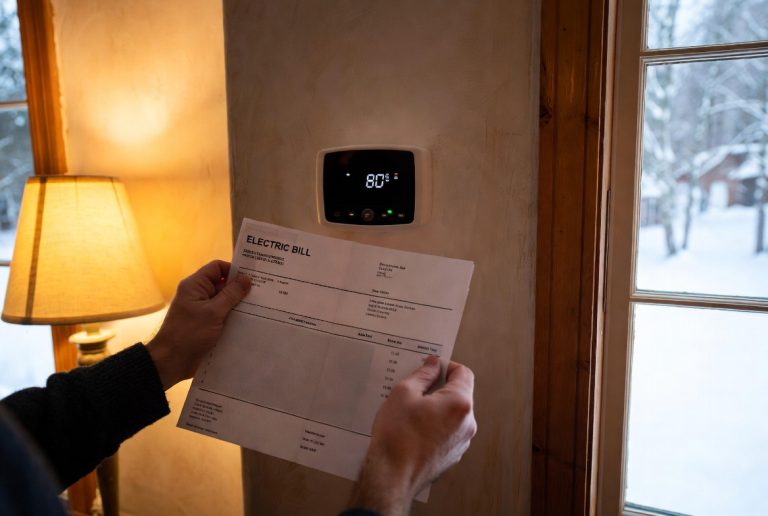
Utility assistance is another major component. If you are about to have your electricity, gas, or water shut off, prevention programs can help pay those bills. Losing utilities can be a trigger for eviction and is especially dangerous for families with young children or elderly members.
Legal assistance is available through many prevention programs to help you fight wrongful evictions, negotiate with landlords, or understand your rights as a tenant. Having an attorney or legal advocate on your side can make the difference between keeping and losing your home.
Case management and financial counseling help you address the underlying issues that put you at risk. A case manager can help you create a budget, connect you with additional resources like food assistance or job training, and develop a plan to maintain housing stability long-term.
Relocation assistance is available when staying in your current home is not possible. If your landlord is selling the property, your lease is ending, or the home is unsafe, prevention programs can help cover the costs of moving to a new place, including security deposits, first month’s rent, and moving expenses.
Who Qualifies
Eligibility varies by program, but most homeless prevention programs target people who are at imminent risk of losing their housing. This typically means you have received an eviction notice, a foreclosure notice, or a utility shutoff notice. Some programs also help people who are leaving institutions like hospitals, rehabilitation centers, or correctional facilities and need help securing housing.
Income limits apply to most programs. Generally, your household income needs to be below 30 to 50 percent of the area median income, though some programs serve families up to 80 percent of AMI. You will need to demonstrate that without assistance, you would likely become homeless.
You also need to show that the assistance will actually prevent homelessness, meaning that with the help provided, you will be able to maintain stable housing going forward. This is why many programs combine financial assistance with case management and financial counseling.
Where to Find Prevention Programs
Emergency Solutions Grant (ESG) programs are funded by HUD and administered through state and local governments. ESG specifically funds homeless prevention activities including rental assistance, utility payments, and housing relocation. Contact your city or county housing department to find ESG-funded programs near you.
Continuum of Care (CoC) programs coordinate homeless services in every community across the country. Your local CoC can connect you with prevention programs and other resources. Find your local CoC through HUD’s website or by calling 211.
Community Action Agencies are one of the largest networks of homeless prevention providers in the country. These agencies receive federal, state, and local funding to help families at risk of homelessness. There are over 1,000 agencies nationwide.
Salvation Army, Catholic Charities, and St. Vincent de Paul all operate prevention programs in many communities. These organizations can often help quickly with emergency rent or utility payments.
State and local emergency assistance programs vary widely but are available in most areas. Your state’s Department of Human Services or Department of Housing can point you to programs specific to your location.
Act Early
The single most important thing you can do is seek help as soon as you realize you are falling behind. Do not wait until you receive an eviction notice. The earlier you reach out, the more options are available and the easier it is for programs to help you.
Call 211 as your first step. Explain your situation and ask about homeless prevention programs in your area. The specialists at 211 can quickly identify which programs you qualify for and help you prioritize your applications.
Talk to your landlord. Many landlords would rather work out a payment plan than go through the expense and hassle of eviction. If you communicate early and honestly about your situation, you may be surprised at how willing your landlord is to be flexible, especially if you have been a reliable tenant in the past.
Document everything. Keep copies of all communications with your landlord, eviction notices, utility shutoff notices, pay stubs, and other financial documents. Having this paperwork organized will speed up your application for assistance and strengthen your case.
Homelessness is not inevitable. With the right help at the right time, most families at risk can stay housed. The programs exist. Your job is to reach out before the situation becomes a crisis.