Telehealth for Low-Income Families: Free and Low-Cost Virtual Doctor Visits
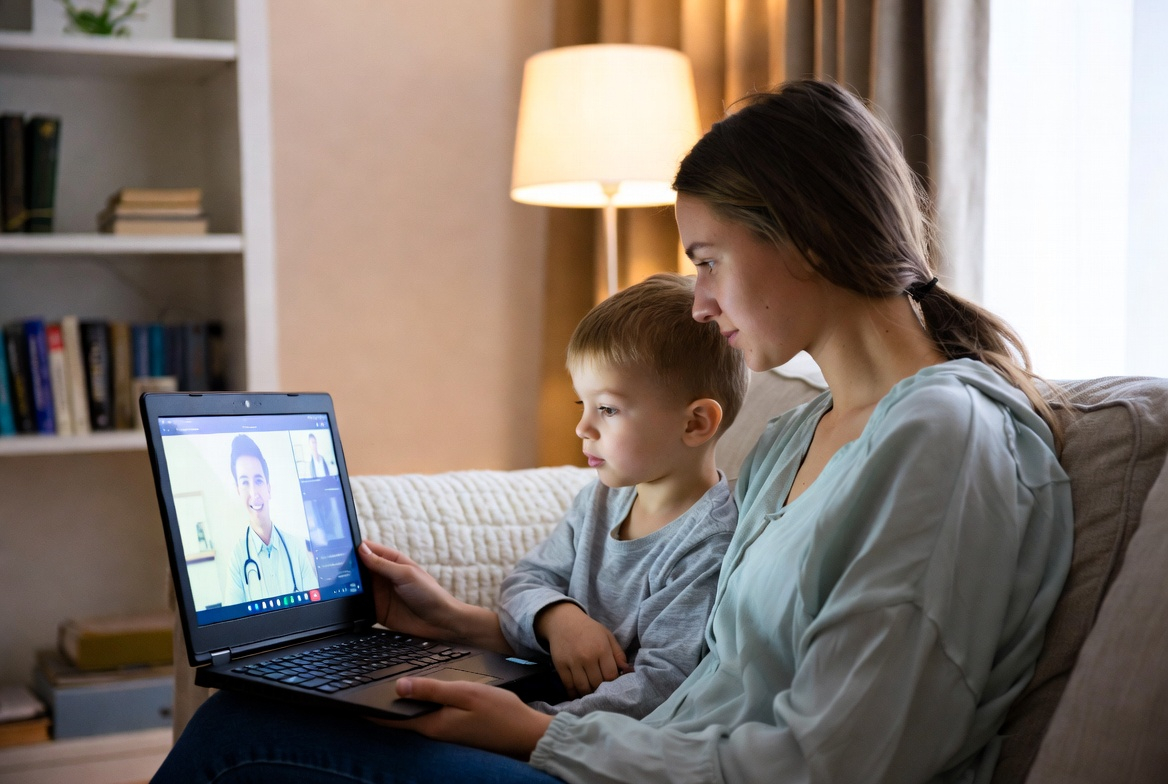
Getting to a doctor’s office can be one of the biggest barriers to healthcare for low-income families. Between taking time off work, arranging childcare, paying for transportation, and covering the cost of the visit itself, a single appointment can feel impossible to manage. Telehealth has changed that equation dramatically. Virtual doctor visits allow you to see a healthcare provider from your phone, tablet, or computer without leaving your home, and there are now multiple programs that make these visits free or very low cost for families who need them.
The expansion of telehealth accelerated during the COVID-19 pandemic, and most of the changes that made virtual care more accessible have become permanent. Medicaid programs in every state now cover telehealth visits, and a growing number of free clinics and community health organizations offer virtual appointments to patients regardless of insurance status.
What Telehealth Can and Cannot Do
Telehealth is well suited for a wide range of medical needs. Common conditions that can be diagnosed and treated through a virtual visit include colds and flu, sinus infections, urinary tract infections, rashes and skin conditions, allergies, pink eye, minor injuries, stomach problems, headaches, and many chronic conditions that require regular monitoring. Mental health services including therapy and psychiatric medication management are also widely available through telehealth and are among the most commonly used virtual care services.
Telehealth is not appropriate for emergencies. If you are experiencing chest pain, difficulty breathing, severe bleeding, signs of a stroke, or any other life-threatening condition, call 911 or go to your nearest emergency room. Telehealth also has limitations for conditions that require physical examination, lab work, or imaging, though a telehealth provider can often assess your symptoms and determine whether an in-person visit is necessary.
Free Telehealth Through Medicaid and CHIP
If you or your children are enrolled in Medicaid or the Children’s Health Insurance Program, you already have access to telehealth at no cost in most states. Medicaid covers virtual visits with primary care providers, specialists, and mental health professionals. The copay for telehealth visits under Medicaid is zero in the majority of states, and where copays do apply, they are typically one to three dollars.
To use telehealth with Medicaid, start by calling your primary care provider’s office and asking if they offer video or phone appointments. Most community health centers and many private practices now offer telehealth as a standard option. If your current provider does not offer virtual visits, contact your Medicaid managed care plan to find providers in your network who do.
If you are not currently enrolled in Medicaid but think you might qualify, it is worth applying. Income limits have expanded in states that adopted Medicaid expansion under the Affordable Care Act, and many working families with modest incomes are eligible. You can apply at any time through your state’s Medicaid website or at healthcare.gov.
Free and Low-Cost Telehealth for the Uninsured
Even if you do not have insurance, there are multiple ways to access telehealth at little or no cost. Federally Qualified Health Centers, also known as FQHCs, are required to serve all patients regardless of ability to pay. Many FQHCs now offer telehealth appointments, and they use a sliding fee scale based on your income. If your income is below the Federal Poverty Level, your visit may be completely free.
Several nonprofit organizations provide free telehealth services specifically for uninsured and underserved populations. The Remote Area Medical foundation offers periodic free telehealth clinics. The National Association of Free and Charitable Clinics maintains a directory of free clinics at nafcclinics.org, and many of these clinics now provide virtual appointments.
Some commercial telehealth platforms also offer reduced pricing or free visits for certain conditions. Telehealth services offered through retail pharmacies such as CVS MinuteClinic and Walgreens Find Care often have visit costs between $25 and $75, which is significantly less than a traditional office visit or urgent care center. While not free, these can be a practical option for acute needs when other resources are not immediately available.
Mental Health Services via Telehealth
Access to mental health care is one of the most significant benefits of telehealth expansion. Before widespread telehealth availability, many low-income families faced months-long wait times for mental health appointments, especially in rural areas where providers are scarce. Virtual therapy and psychiatric services have dramatically reduced these barriers.
If you have Medicaid, mental health telehealth visits are covered in every state. This includes individual therapy, family counseling, psychiatric evaluations, and medication management. Many community mental health centers now offer their full range of services via telehealth, making it easier to attend regular appointments without missing work or school.
For those without insurance, the Substance Abuse and Mental Health Services Administration operates a national helpline at 1-800-662-4357 that can connect you with free and sliding-scale mental health services in your area, including providers who offer telehealth. The 988 Suicide and Crisis Lifeline, reached by calling or texting 988, also provides free crisis counseling by phone and chat around the clock.
How to Prepare for a Telehealth Visit
Getting the most out of a virtual doctor visit takes a little preparation. Before your appointment, write down your symptoms including when they started and how they have changed. Make a list of all medications you currently take, including over-the-counter drugs and supplements. If you have a thermometer or blood pressure cuff at home, take your readings before the visit so you can share them with your provider.
Find a quiet, private space for your appointment where you can speak openly with your doctor. Make sure your device is charged and that you have a stable internet connection. If you are using a phone, a WiFi connection is preferable to cellular data for better video quality. Test your camera and microphone beforehand if possible.
Have your insurance card ready if you have one, and be prepared to provide a brief medical history if this is your first visit with a new provider. Write down any questions you want to ask so you do not forget them during the appointment.
Overcoming Technology Barriers
One concern many families have about telehealth is whether they have the right technology. The good news is that most telehealth platforms are designed to work on basic smartphones, and many providers also offer phone-only appointments that require no internet connection at all. If you have a phone, you can access telehealth.
If you do not have reliable internet access, check whether your local library offers free WiFi and private spaces where you can conduct a telehealth visit. The federal Affordable Connectivity Program and its successor programs provide discounted internet service to qualifying low-income households, which can make regular telehealth use more practical.
Telehealth is not a replacement for all in-person medical care, but it is a powerful tool that can help low-income families get the treatment they need without the traditional barriers of cost, transportation, and time. If you have been putting off a doctor visit because of these challenges, a virtual appointment may be the solution you have been looking for.