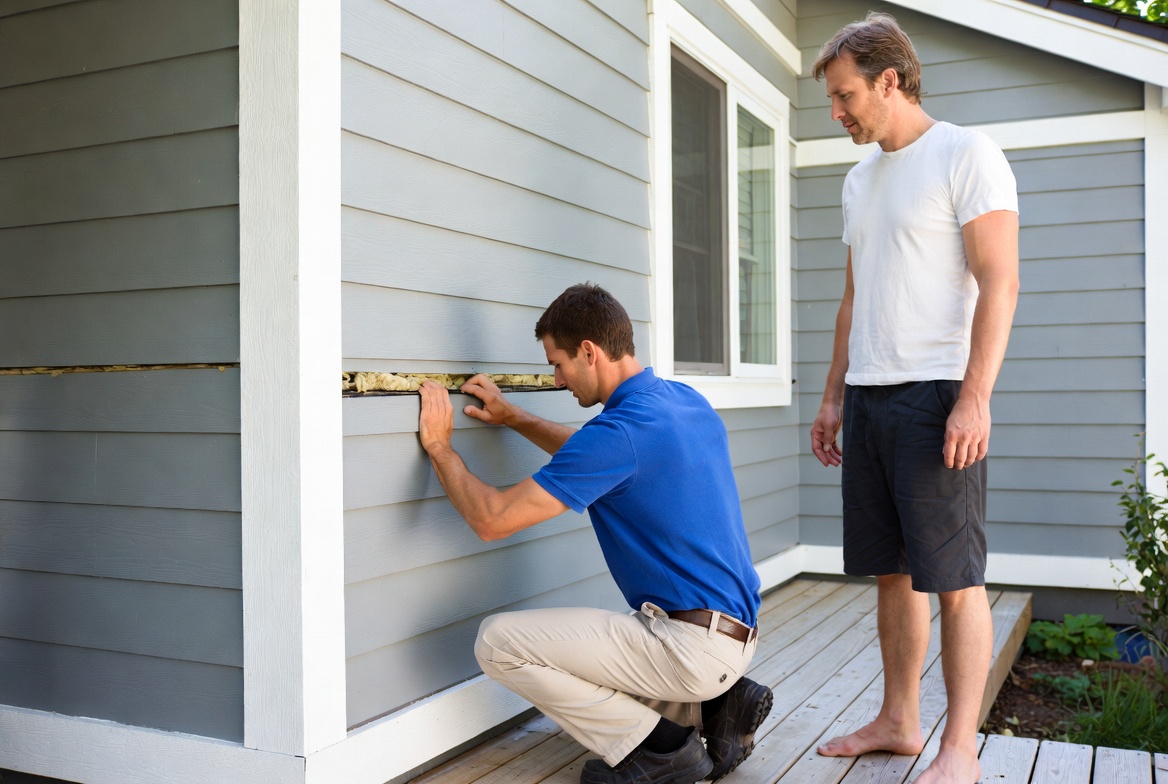
Weatherization Assistance: Free Home Energy Improvements
The Weatherization Assistance Program (WAP) provides free home energy improvements that reduce your utility bills and make your home more comfortable. These upgrades can save hundreds of dollars each year.
Services Provided
- Insulation for attics, walls, and floors
- Air sealing to stop drafts
- Heating and cooling system repairs or replacement
- Water heater insulation or replacement
- Energy-efficient lighting and appliances
- Health and safety improvements
Eligibility
Income at or below 200% of federal poverty level. Priority is given to households with elderly members, disabled persons, children, or high energy burden. Both homeowners and renters may qualify.
How to Apply
Contact your local Community Action Agency or state weatherization office. Wait lists can be long, so apply as soon as possible.
What the Weatherization Assistance Program Provides
The Weatherization Assistance Program, funded by the U.S. Department of Energy, helps low-income households reduce their energy costs by improving the energy efficiency of their homes. The program has been operating since 1976 and has weatherized more than 7 million homes across the country. Services are provided at no cost to eligible homeowners and renters. A typical weatherization project can reduce household energy bills by an average of 283 dollars per year, and the savings continue for the life of the improvements, often 15 to 20 years or more.
The specific improvements made to each home are determined by a comprehensive energy audit conducted by a trained technician. Using diagnostic tools such as blower door tests and infrared cameras, the auditor identifies the most cost-effective measures for that particular home. Common improvements include adding insulation to attics, walls, and floors, sealing air leaks around windows, doors, and ductwork, repairing or replacing inefficient heating and cooling systems, and installing energy-efficient lighting and appliances. Health and safety issues such as carbon monoxide leaks and electrical hazards are also addressed as part of the process.
Eligibility and How to Apply
Eligibility for the Weatherization Assistance Program is based on household income, generally at or below 200 percent of the federal poverty level. Households that include elderly members, people with disabilities, or families with children under the age of six are given priority. If anyone in the household receives SNAP, SSI, TANF, or LIHEAP benefits, the household is automatically income-eligible for weatherization services.
To apply, contact your local weatherization agency, which is typically a Community Action Agency or similar nonprofit organization. You can find your local provider by visiting the Department of Energy’s weatherization directory or by calling 211. The application process involves submitting proof of income, household composition, and homeownership or landlord permission if you rent. Wait times vary depending on funding availability and demand in your area, but once your home is selected, the weatherization work is usually completed within a few weeks.
Additional Energy Efficiency Programs
In addition to the federal Weatherization Assistance Program, many utility companies operate their own energy efficiency programs that are available to all customers, not just low-income households. These programs may offer free home energy audits, rebates on energy-efficient appliances, discounted or free LED light bulbs, and incentives for upgrading heating and cooling equipment. Some utility companies also offer special low-income programs that provide additional weatherization services beyond what the federal program covers.
State and local governments may also offer weatherization-related assistance through housing rehabilitation programs, community development block grants, or state-funded energy programs. Some programs focus specifically on health-related home improvements, such as addressing mold, lead paint, or ventilation issues that affect indoor air quality. Combining multiple programs can result in a more comprehensive set of improvements for your home. Ask your local weatherization agency about all available programs that you might qualify for when you apply.
What the Weatherization Assistance Program Provides
The Weatherization Assistance Program, funded by the U.S. Department of Energy, helps low-income households reduce their energy costs by improving the energy efficiency of their homes. The program has been operating since 1976 and has weatherized more than 7 million homes across the country. Services are provided at no cost to eligible homeowners and renters. A typical weatherization project can reduce household energy bills by an average of 283 dollars per year, and the savings continue for the life of the improvements, often 15 to 20 years or more.
The specific improvements made to each home are determined by a comprehensive energy audit conducted by a trained technician. Using diagnostic tools such as blower door tests and infrared cameras, the auditor identifies the most cost-effective measures for that particular home. Common improvements include adding insulation to attics, walls, and floors, sealing air leaks around windows, doors, and ductwork, repairing or replacing inefficient heating and cooling systems, and installing energy-efficient lighting and appliances. Health and safety issues such as carbon monoxide leaks and electrical hazards are also addressed as part of the process.
Eligibility and How to Apply
Eligibility for the Weatherization Assistance Program is based on household income, generally at or below 200 percent of the federal poverty level. Households that include elderly members, people with disabilities, or families with children under the age of six are given priority. If anyone in the household receives SNAP, SSI, TANF, or LIHEAP benefits, the household is automatically income-eligible for weatherization services.
To apply, contact your local weatherization agency, which is typically a Community Action Agency or similar nonprofit organization. You can find your local provider by visiting the Department of Energy’s weatherization directory or by calling 211. The application process involves submitting proof of income, household composition, and homeownership or landlord permission if you rent. Wait times vary depending on funding availability and demand in your area, but once your home is selected, the weatherization work is usually completed within a few weeks.
Additional Energy Efficiency Programs
In addition to the federal Weatherization Assistance Program, many utility companies operate their own energy efficiency programs that are available to all customers, not just low-income households. These programs may offer free home energy audits, rebates on energy-efficient appliances, discounted or free LED light bulbs, and incentives for upgrading heating and cooling equipment. Some utility companies also offer special low-income programs that provide additional weatherization services beyond what the federal program covers.
State and local governments may also offer weatherization-related assistance through housing rehabilitation programs, community development block grants, or state-funded energy programs. Some programs focus specifically on health-related home improvements, such as addressing mold, lead paint, or ventilation issues that affect indoor air quality. Combining multiple programs can result in a more comprehensive set of improvements for your home. Ask your local weatherization agency about all available programs that you might qualify for when you apply.