What to Bring to Your Benefits Appointment: A Complete Guide
Applying for benefits can feel overwhelming, but being prepared makes the process much smoother. Here is a comprehensive guide to the documents you should bring to any benefits appointment.
Identity Documents
- Photo ID – Drivers license, state ID, or passport for all adults
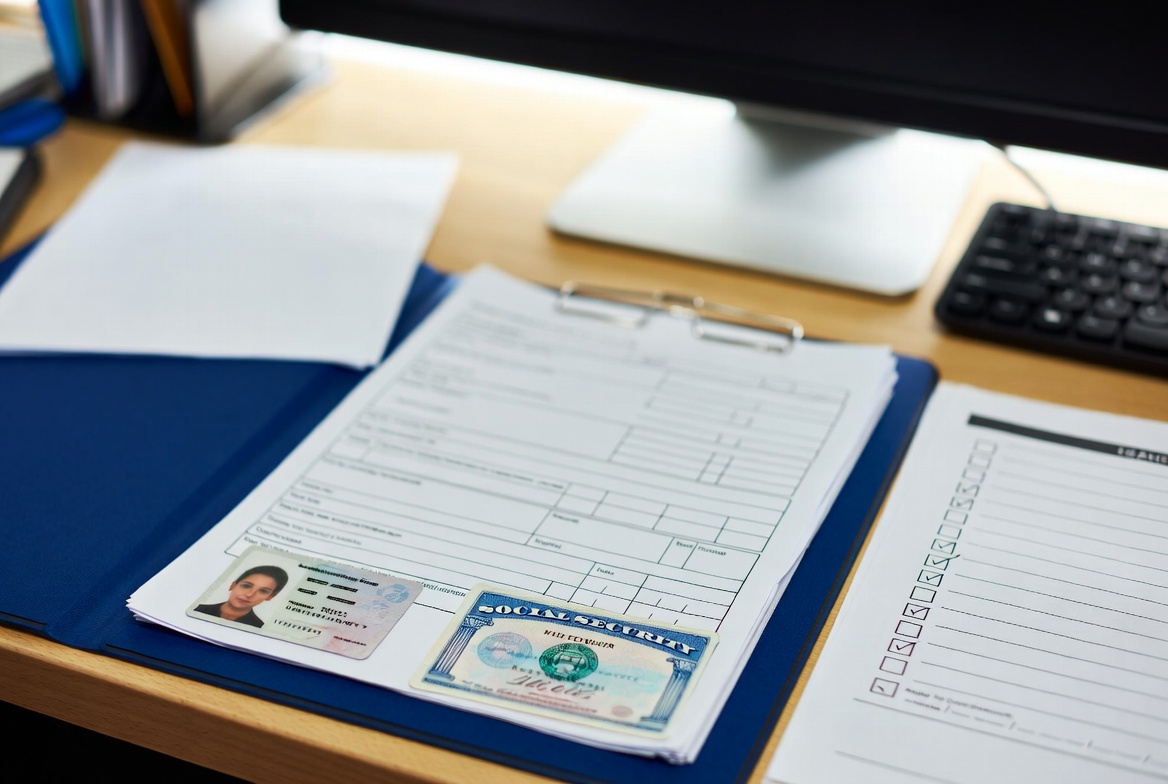
- Social Security cards – For everyone in your household applying
- Birth certificates – Especially for children
- Immigration documents – If applicable (green card, work permit, visa)
Proof of Income
- Pay stubs – Last 30 days or 4-5 most recent
- Employer letter – If you just started a job
- Self-employment records – Tax returns, 1099s, business records
- Benefit letters – Social Security, unemployment, child support
- No income statement – If you have no income, you may need to explain how you meet expenses
Proof of Residence
- Utility bill – Recent bill with your name and address
- Lease or rental agreement – Shows where you live
- Mail – Official mail addressed to you at your current address
Proof of Expenses
- Rent receipts – Or canceled checks/bank statements showing rent payments
- Utility bills – Electric, gas, water, phone
- Childcare expenses – Receipts or provider statements
- Medical expenses – Bills for out-of-pocket costs
- Child support payments – Court orders and payment records
Tips for Your Appointment
- Arrive early to allow time for check-in
- Bring copies of documents when possible
- If missing a document, bring what you have – caseworkers can often work with alternatives
- Ask questions if you do not understand something
- Get the caseworkers contact information for follow-up
Additional Documents for Specific Programs
Different benefit programs may require additional specialized documents beyond the basics. For Medicaid, bring any current insurance information, recent medical bills, and records of medical conditions or disabilities. For SNAP, bring documentation of any vehicles you own, as some states consider vehicle value in eligibility. For housing assistance programs, your landlord may need to provide a written statement of your rental amount and any past-due balance. Veterans should bring their DD-214 discharge papers and VA correspondence. For disability programs like SSI or SSDI, bring medical records, treatment histories, and a list of all healthcare providers with their contact information. If you are applying for multiple programs at once, create an organized folder with labeled sections to keep everything accessible.
What If You Do Not Have the Required Documents?
Missing documents are one of the most common reasons benefit applications stall, but do not let that stop you from applying. If you have lost your Social Security card, you can request a replacement online at SSA.gov or visit your local Social Security office. Birth certificates can be ordered from the vital records office in the state where you were born. If you do not have a photo ID, many states offer free identification cards for people who are applying for benefits. For proof of income, a signed letter from your employer or a bank statement showing direct deposits can sometimes substitute for pay stubs. Most caseworkers are willing to work with alternative documentation when standard documents are unavailable. The important thing is to start the application process and let your caseworker know what you are missing so they can suggest alternatives.
Making the Most of Your Appointment
Your benefits appointment is an opportunity to get connected with all the help you may be eligible for, not just the one program you came in for. Before your appointment, write down all the challenges you are currently facing, including trouble with food, housing, healthcare, childcare, transportation, and employment. Caseworkers are trained to screen for multiple programs and can often start applications for several benefits in a single visit. Bring a notepad to write down important information such as case numbers, deadlines, follow-up requirements, and contact information. Ask your caseworker about any upcoming deadlines you need to be aware of, and find out the best way to reach them if you have questions later. If you have a phone, take photos of any documents you sign so you have copies for your records.
After Your Appointment: Important Next Steps
What you do after your appointment is just as important as being prepared for it. Keep all paperwork from your visit in a safe place, including copies of your application, any receipts, and your caseworker’s contact information. If you were told your application would be processed within a certain timeframe, mark that date on your calendar and follow up if you have not heard back. Check your mail daily for correspondence from the benefits office, as missing a deadline can cause your application to be denied. If you are approved, note when your benefits are scheduled to start and when you need to recertify. If your application is denied, you have the right to appeal, and the denial letter will include instructions on how to do so. Many Legal Aid organizations can help you with the appeals process at no cost.
Additional Documents for Specific Programs
Different benefit programs may require additional specialized documents beyond the basics. For Medicaid, bring any current insurance information, recent medical bills, and records of medical conditions or disabilities. For SNAP, bring documentation of any vehicles you own, as some states consider vehicle value in eligibility. For housing assistance programs, your landlord may need to provide a written statement of your rental amount and any past-due balance. Veterans should bring their DD-214 discharge papers and VA correspondence. For disability programs like SSI or SSDI, bring medical records, treatment histories, and a list of all healthcare providers with their contact information. If you are applying for multiple programs at once, create an organized folder with labeled sections to keep everything accessible.
What If You Do Not Have the Required Documents?
Missing documents are one of the most common reasons benefit applications stall, but do not let that stop you from applying. If you have lost your Social Security card, you can request a replacement online at SSA.gov or visit your local Social Security office. Birth certificates can be ordered from the vital records office in the state where you were born. If you do not have a photo ID, many states offer free identification cards for people who are applying for benefits. For proof of income, a signed letter from your employer or a bank statement showing direct deposits can sometimes substitute for pay stubs. Most caseworkers are willing to work with alternative documentation when standard documents are unavailable. The important thing is to start the application process and let your caseworker know what you are missing so they can suggest alternatives.
Making the Most of Your Appointment
Your benefits appointment is an opportunity to get connected with all the help you may be eligible for, not just the one program you came in for. Before your appointment, write down all the challenges you are currently facing, including trouble with food, housing, healthcare, childcare, transportation, and employment. Caseworkers are trained to screen for multiple programs and can often start applications for several benefits in a single visit. Bring a notepad to write down important information such as case numbers, deadlines, follow-up requirements, and contact information. Ask your caseworker about any upcoming deadlines you need to be aware of, and find out the best way to reach them if you have questions later. If you have a phone, take photos of any documents you sign so you have copies for your records.
After Your Appointment: Important Next Steps
What you do after your appointment is just as important as being prepared for it. Keep all paperwork from your visit in a safe place, including copies of your application, any receipts, and your caseworker’s contact information. If you were told your application would be processed within a certain timeframe, mark that date on your calendar and follow up if you have not heard back. Check your mail daily for correspondence from the benefits office, as missing a deadline can cause your application to be denied. If you are approved, note when your benefits are scheduled to start and when you need to recertify. If your application is denied, you have the right to appeal, and the denial letter will include instructions on how to do so. Many Legal Aid organizations can help you with the appeals process at no cost.
Use our Document Checklist tool to create a personalized list for the specific programs you are applying for.