Summer Meal Programs for Kids: Free Food When School Is Out
During the school year, more than 30 million children in the United States rely on free or reduced-price meals at school. When summer arrives, that safety net disappears. For families already struggling to put food on the table, summer can mean months of stretched grocery budgets and skipped meals. Summer meal programs exist to fill that gap, and every child can eat for free with no paperwork, no income verification, and no questions asked.
How Summer Meal Programs Work
The USDA Summer Food Service Program (SFSP) and the National School Lunch Program’s Seamless Summer Option provide free meals to children 18 and under at approved locations throughout the summer. Meals are served at schools, parks, recreation centers, libraries, churches, and community centers in areas where at least half of the children qualify for free or reduced-price meals during the school year.
The most important thing to understand is that any child can show up and eat. There are no sign-ups, no applications, no income checks, and no ID requirements. If your child is 18 or younger, they can walk in, sit down, and receive a free meal. In some programs, children and teens with disabilities up to age 21 are also eligible.
Most sites serve lunch, and many also serve breakfast or a snack. Some sites offer both lunch and a snack. The meals meet USDA nutritional standards, which means they include fruits, vegetables, protein, grains, and milk.
Summer EBT for Groceries
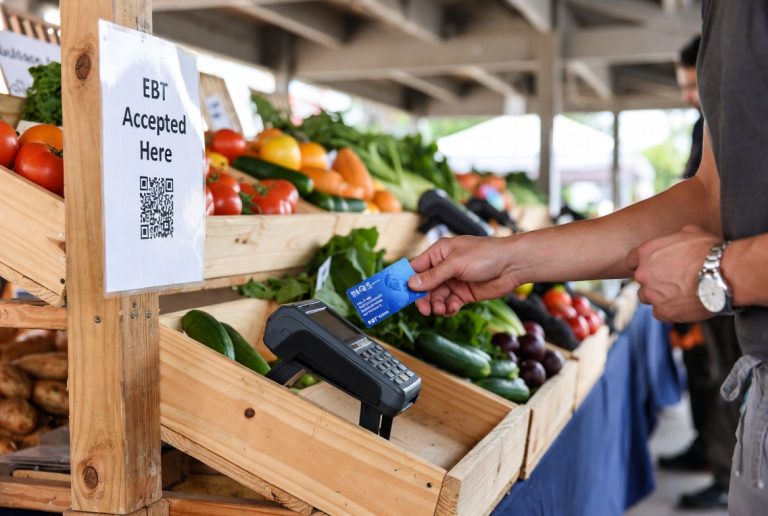
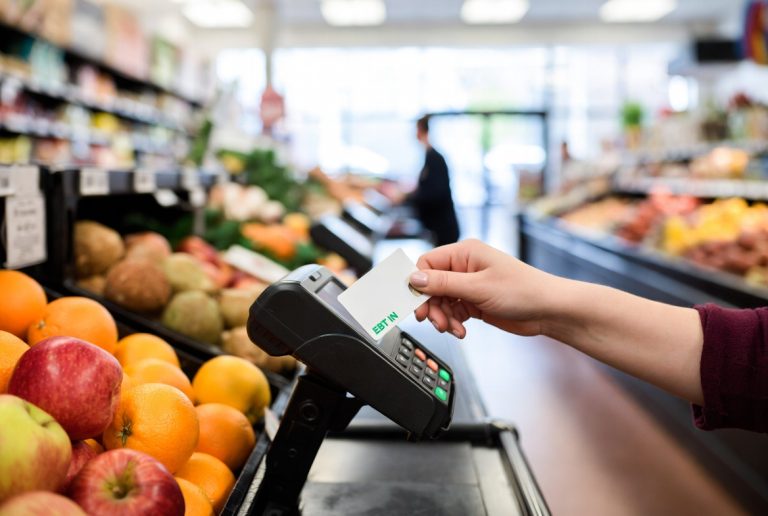
In addition to meal sites, the Summer Electronic Benefits Transfer for Children program, known as Summer EBT or SUN Bucks, provides grocery benefits during the summer months. Families with children who are eligible for free or reduced-price school meals automatically receive a preloaded card worth approximately $120 per child for the summer. This money can be used to purchase groceries at any store that accepts EBT.
In most states, enrollment is automatic. If your child receives free or reduced-price meals during the school year, participates in SNAP, TANF, or Medicaid, or attends a school where all students receive free meals, you should receive a Summer EBT card without having to apply. Check with your school district or state education department to confirm your state participates and whether any action is required on your part.
How to Find Summer Meal Sites Near You
Finding a meal site is easy and there are several ways to do it. The most direct method is to text FOOD or COMIDA to 304-304. You will receive a text back with the addresses and hours of the nearest summer meal sites based on your location. This service is available in English and Spanish.
You can also call the USDA National Hunger Hotline at 1-866-348-6479. Operators are available Monday through Friday and can help you find meal sites, food pantries, and other food assistance in your area. Spanish-language assistance is available.
The USDA’s online Summer Meal Site Finder at fns.usda.gov lets you search by address, city, or zip code to find nearby sites. The tool shows locations, hours, days of operation, and which meals are served at each site.
Your child’s school can also provide information about summer meal programs in your district. Many schools send home flyers before summer break with details about local meal sites and schedules.
What to Expect at a Meal Site
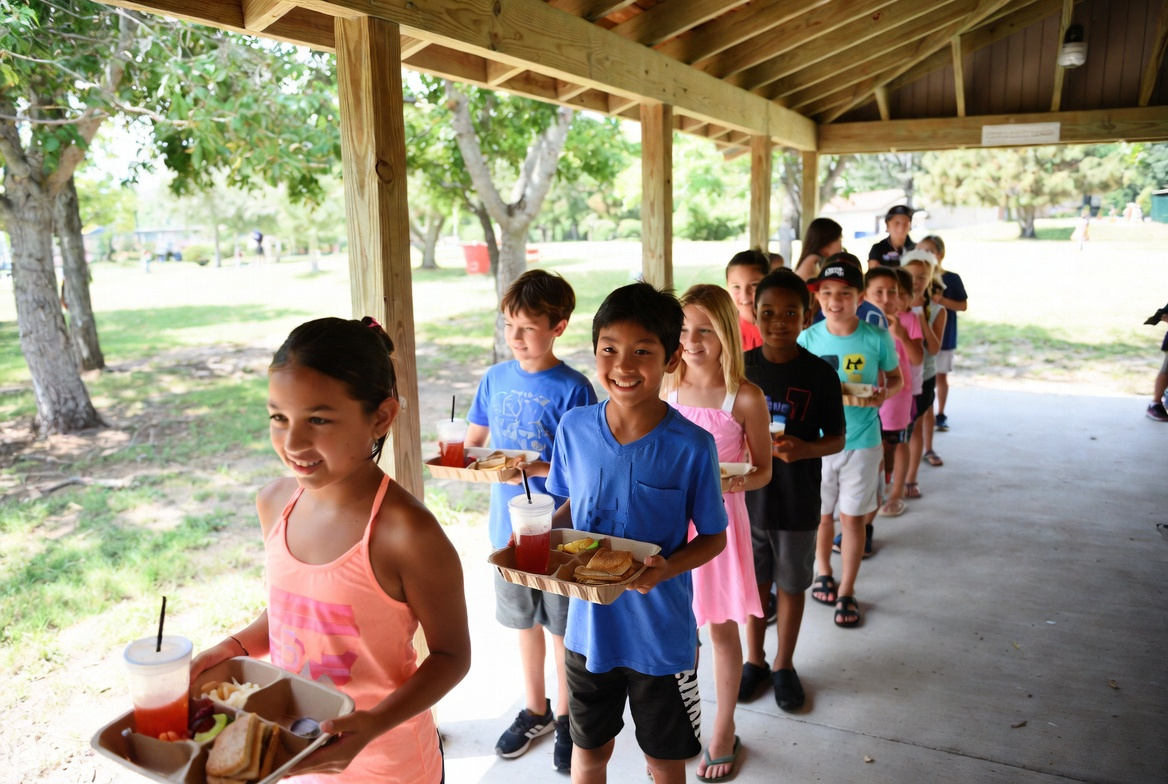
Summer meal sites are designed to be welcoming and accessible. When your child arrives, they simply go through a serving line and receive a complete meal. There is no registration, and children do not need to present identification or proof of eligibility. Staff members are there to help and will never ask about your family’s financial situation.
At most sites, meals must be eaten on-site. This policy exists because of USDA regulations that help ensure food safety. However, some programs have received waivers that allow grab-and-go or take-home meals, especially in rural areas where transportation to meal sites can be challenging.
Many summer meal programs also offer enrichment activities alongside the meals. Your child may have the opportunity to participate in reading programs, arts and crafts, sports, tutoring, or other activities while they are at the meal site. These programs help keep children engaged and learning throughout the summer.
Addressing Common Concerns
Some parents worry about stigma and do not want their children to be seen at a free meal site. It helps to know that these programs are community resources, not charity. They are open to all children regardless of income, and many families from all backgrounds use them. The atmosphere is welcoming and inclusive.
If transportation is a barrier, look for meal sites at locations your children already visit during the summer, like the library, park, or recreation center. Some communities also offer mobile meal programs that bring food directly to neighborhoods, apartment complexes, and rural areas.
If your child has food allergies or dietary restrictions, contact the meal site in advance to ask about accommodations. Many sites can provide alternatives for common allergens, and knowing ahead of time allows them to prepare appropriately.
Spread the Word
One of the biggest challenges facing summer meal programs is that many eligible families do not know they exist. If you know families with children who could benefit, share this information with them. A text to 304-304 is all it takes to find free meals nearby. No child should go hungry during summer break, and these programs make sure they do not have to.