Commodity Supplemental Food Program: Free Monthly Groceries for Seniors
If you are 60 or older and living on a tight budget, you may qualify for a free monthly food package through the Commodity Supplemental Food Program, commonly known as CSFP. This USDA-funded program provides nutritious food to low-income seniors to help supplement their diet and reduce their grocery bills. Here is how the program works and how to sign up.
What You Receive
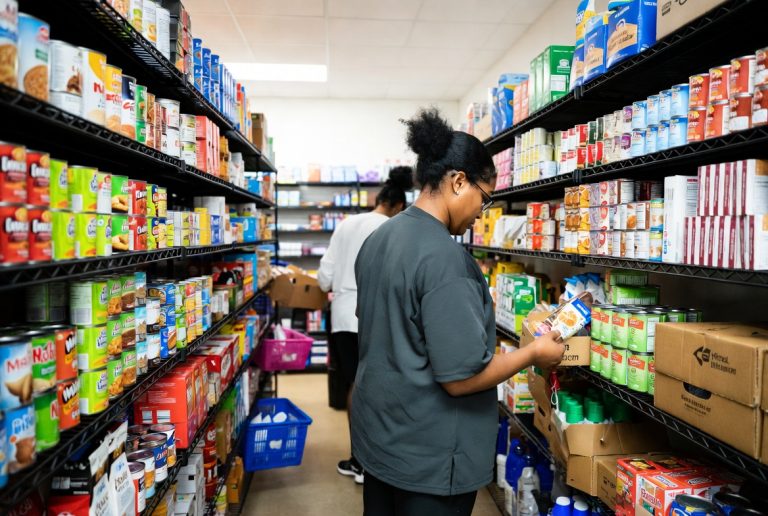
Each month, CSFP participants receive a box of food containing approximately 30 to 40 pounds of groceries. The package is designed to supplement your regular diet, not replace it entirely, but it can make a significant difference in your monthly food budget. A typical CSFP food package includes canned fruits and vegetables, juice, canned meat such as chicken or tuna, peanut butter, dry beans or lentils, rice or pasta, cereal, shelf-stable milk or powdered milk, cheese, and occasionally other items like canned soup or oatmeal.
The food is shelf-stable, meaning it does not require refrigeration until opened, which is helpful for seniors who may have limited refrigerator space or who prefer to stock up on pantry staples. The USDA selects items that are nutritious, easy to prepare, and suitable for older adults, including those with common dietary concerns like high blood pressure or diabetes.
The total retail value of a monthly CSFP food package is typically between $50 and $80, which adds up to $600 to nearly $1,000 in free groceries over the course of a year. For seniors living on Social Security alone, this can be a meaningful addition to their food budget.
Who Qualifies
To be eligible for CSFP, you must meet three basic requirements. First, you must be at least 60 years old. Second, your income must be at or below 130 percent of the federal poverty level. For 2026, that means a single person can earn up to approximately $20,800 per year, and a two-person household can earn up to approximately $28,100 per year. These amounts are updated annually, so check with your local program for the current limits.
Third, you must live in an area where CSFP operates. The program is available in most states but not all, and within participating states, it may only be available in certain counties or regions. Coverage has been expanding in recent years, and more communities are gaining access to the program.
You can participate in CSFP and SNAP at the same time. Receiving SNAP benefits does not disqualify you from CSFP, and vice versa. Many seniors who receive SNAP find that CSFP provides a helpful supplement, especially toward the end of the month when SNAP benefits may be running low.
How to Apply
The application process for CSFP is straightforward. Start by finding your local CSFP distribution site. You can do this by contacting your state’s CSFP administering agency, which is typically the state Department of Agriculture, Department of Health, or a designated nonprofit organization. The USDA maintains a list of state contacts at fns.usda.gov.
You can also call your local food bank, as many food banks serve as CSFP distribution partners. The Feeding America network, reachable at feedingamerica.org, can help you find food banks and CSFP sites in your area.
When you apply, you will need to provide proof of age such as a driver’s license or birth certificate, proof of residency such as a utility bill or lease agreement, and proof of income such as a Social Security award letter, pension statement, or other income documentation. The application itself is typically a single page and can be completed on-site.
Once approved, you will be assigned a distribution location and schedule. Most sites distribute food once per month on a specific day. You or a designated proxy can pick up your food package at the scheduled time. If you are homebound, many programs offer home delivery or allow a family member, friend, or caregiver to pick up your food on your behalf.
CSFP vs. Other Food Programs
CSFP is different from food pantries and SNAP in important ways. Unlike food pantries, which may have varying and unpredictable inventory, CSFP provides a consistent, standardized food package every month. You know what you are getting and can plan your meals around it.
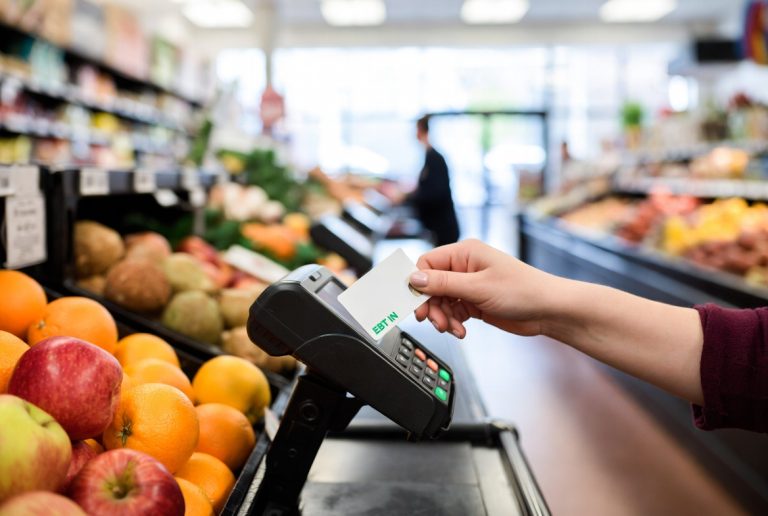
Unlike SNAP, which provides funds on an EBT card for you to purchase food at stores, CSFP provides actual food. This can be an advantage for seniors who have difficulty getting to the grocery store or who prefer the convenience of receiving a ready-made package of nutritious staples.
Many seniors find that using all three sources together, SNAP for fresh produce and meat, CSFP for shelf-stable staples, and local food pantries for additional items, provides the most comprehensive food security. These programs are designed to work together, not to replace each other.
Tips for Getting the Most from CSFP
Pick up your food every month, even if you do not need everything in the box. If you have items you cannot use, consider sharing with a neighbor or donating to a local food pantry. Many distribution sites also have swap tables where participants can trade items they do not want for things they prefer.
If you have dietary restrictions or health conditions that make certain CSFP items unsuitable, talk to the staff at your distribution site. While the food packages are standardized, some sites may have flexibility to make substitutions, and they can often connect you with additional nutrition resources.
The Commodity Supplemental Food Program is one of the most underused federal nutrition programs for seniors. If you are 60 or older and living on a limited income, a monthly box of free, nutritious food could make a real difference in your quality of life. Contact your local food bank or state CSFP office today to find out if the program is available in your area.