Food Pantries vs SNAP: Understanding Your Options for Food Assistance
When you need help putting food on the table, you have several options. Understanding the difference between food pantries and SNAP can help you get the most support.
Food Pantries
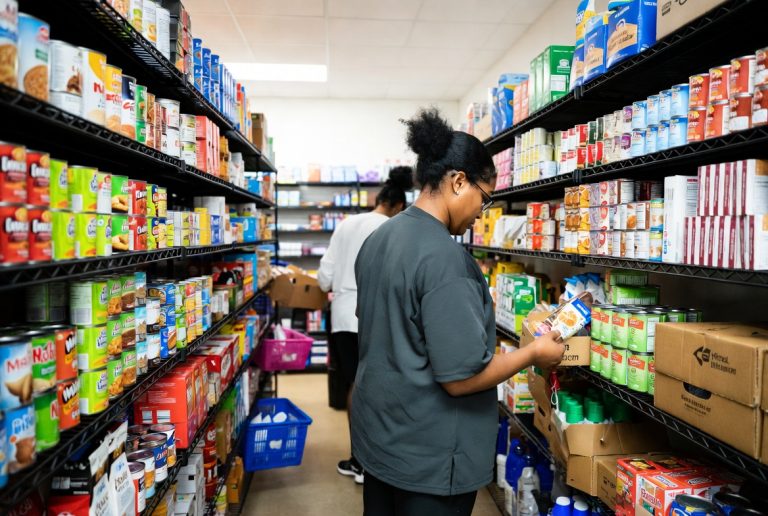
What they are: Local distribution sites where you can pick up free groceries. They are often run by churches, community organizations, or food banks.
Pros:
- Usually no income verification required
- Can get food same day
- No application or waiting period
- Available even if you receive other benefits
Cons:
- Limited selection – you get what is available
- Usually limited visits per month
- May have specific hours or days
- May require transportation to pick up
SNAP (Food Stamps)
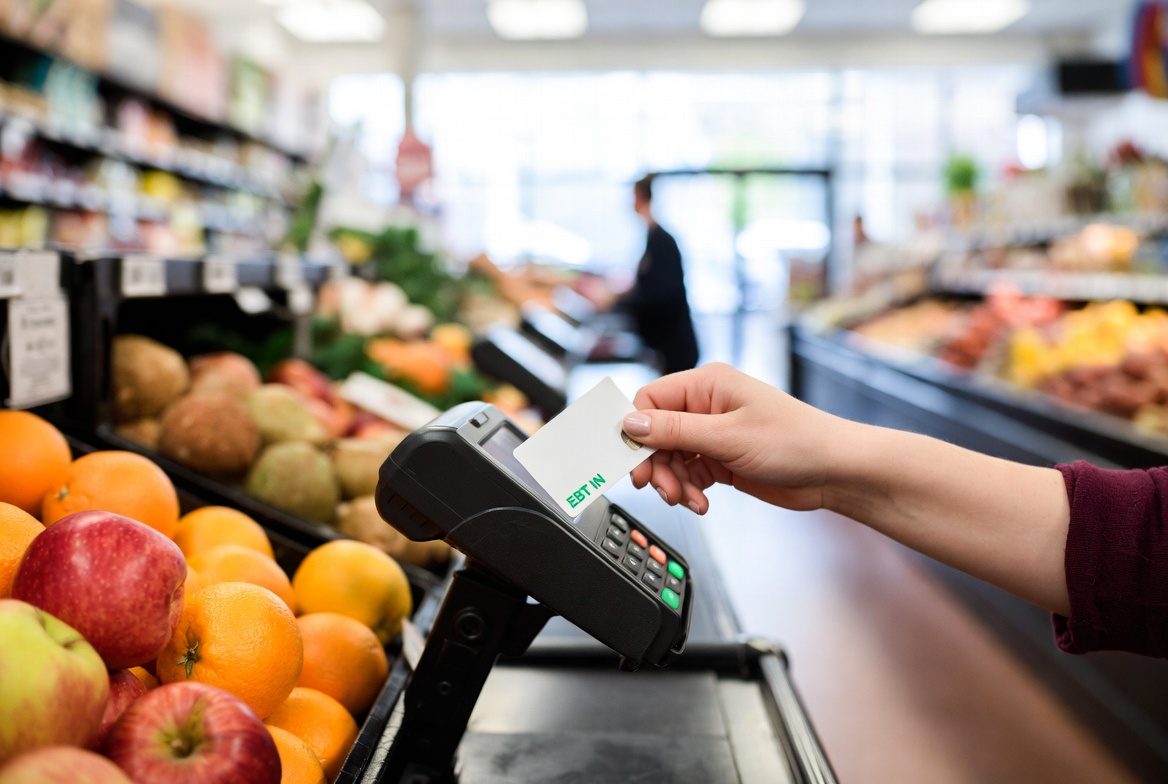
What it is: A federal program that provides monthly benefits on an EBT card to buy groceries at stores.
Pros:
- Monthly benefits you can count on
- Shop at regular grocery stores
- Choose your own food
- Benefits increase with household size
Cons:
- Requires application and income verification
- May take up to 30 days to receive benefits
- Income limits apply
- Cannot buy hot prepared foods
Can You Use Both?
Yes! Many families use both SNAP and food pantries to meet their needs. There is no rule against it. Food pantries can help stretch your SNAP benefits further and provide variety.
Getting Started
- Find local food pantries by calling 211 or visiting FeedingAmerica.org
- Apply for SNAP through your state benefits website or local office
- Use our Eligibility Screener to see if you might qualify for SNAP
Explore all your options on our Food & Nutrition resources page.