Getting the Most from Your Local Food Bank: Tips and Strategies
Food banks serve as a vital lifeline for millions of families facing food insecurity. Whether you are visiting a food bank for the first time or are a regular recipient, knowing how to make the most of these resources can help stretch your food budget further. Here is everything you need to know about using food bank services effectively.
Finding Food Banks in Your Area
Food assistance is more accessible than you might think. There are several ways to locate food banks and pantries near you:
- Use Feeding America food bank locator at feedingamerica.org
- Dial 211 for local community resources
- Check with churches and community centers in your neighborhood
- Ask at your local library for resource lists
- Search online for “(your city) food pantry”
What to Expect on Your First Visit
Walking into a food bank for the first time can feel intimidating, but staff and volunteers are there to help. Here is what typically happens:
- You may need to show ID and proof of address (requirements vary by location)
- Some pantries require appointments while others operate on a walk-in basis
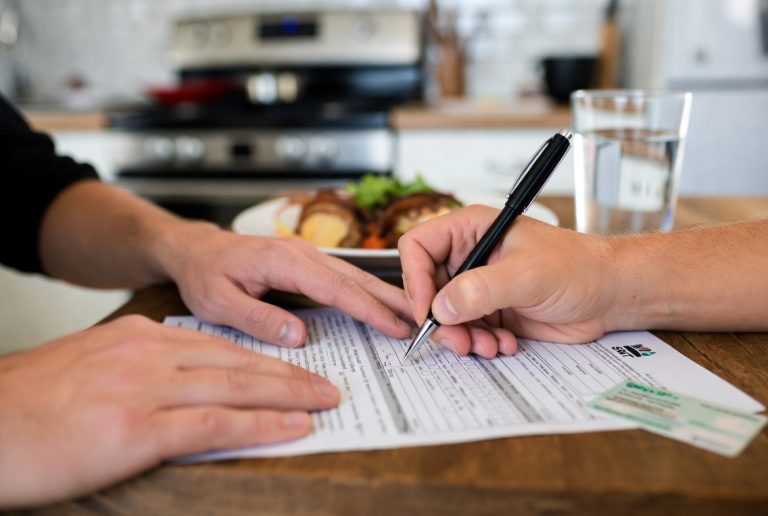
- You will likely fill out a brief registration form
- Staff will explain how the distribution works at that location
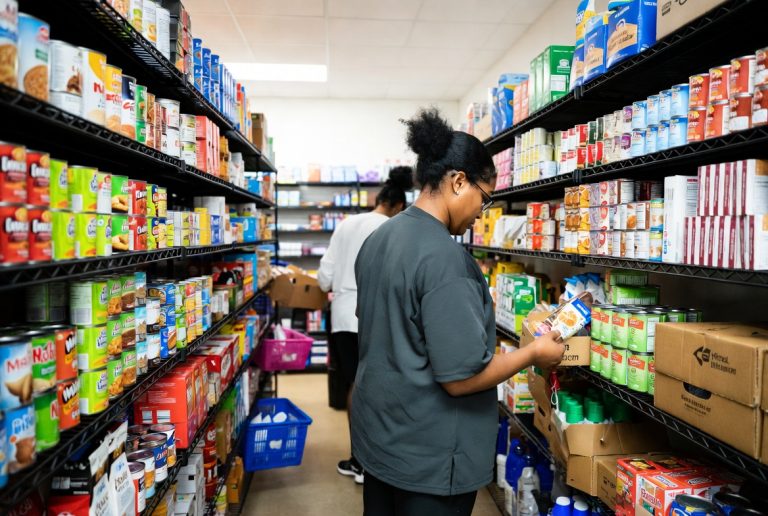
- Many food banks use a “choice pantry” model where you select items you want
Making Smart Choices
When selecting food items, think strategically about nutrition and meal planning:
- Prioritize proteins like canned tuna, beans, and peanut butter
- Grab whole grains including oatmeal, brown rice, and whole wheat pasta
- Select fresh produce when available—it often goes first
- Look for low-sodium options when choosing canned goods
- Do not skip items just because they are unfamiliar—try new things
- Take only what your family will actually use to reduce waste
Beyond Basic Food Assistance
Many food banks offer additional services beyond groceries. Ask about:
- SNAP application assistance
- Cooking classes and nutrition education
- Referrals to other social services
- Pet food programs
- Baby supplies including diapers and formula
- Holiday meal boxes for Thanksgiving and Christmas
Special Dietary Needs
If you have dietary restrictions due to health conditions, allergies, or religious requirements, speak up. Many food banks now offer:
- Diabetic-friendly food boxes
- Gluten-free options
- Kosher or halal items at some locations
- Low-sodium selections for heart health
- Allergen-free alternatives
Stretching Your Food Further
Once you get your food bank items home, make them last with these strategies:
- Plan meals around what you received before shopping for anything else
- Freeze bread and other perishables if you cannot use them immediately
- Turn produce into soups or stews that feed more people
- Use dried beans and grains as protein-rich meal bases
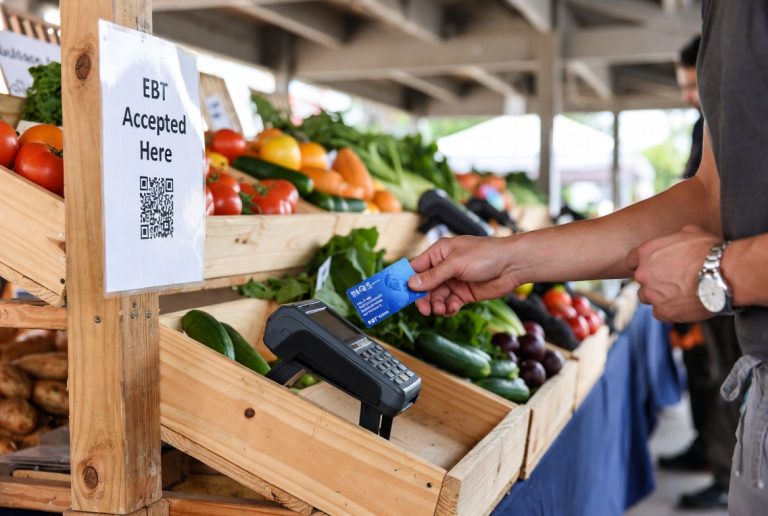
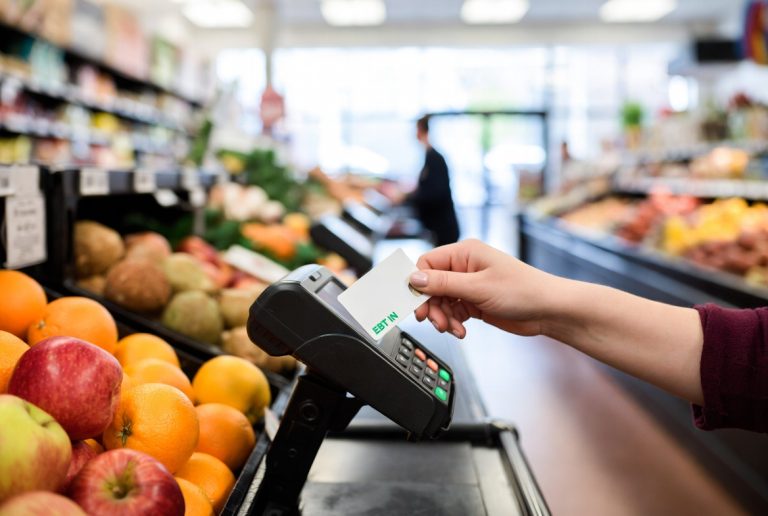
- Combine food bank items with SNAP benefits strategically
Giving Back When You Can
When your situation improves, consider giving back to the organization that helped you. Volunteering or donating—even small amounts—helps ensure these services remain available for others in need. Many former recipients become the most dedicated volunteers because they understand firsthand how important this work is.
There is no shame in needing help with food. Food banks exist because communities believe no one should go hungry. Take advantage of these resources when you need them—that is exactly what they are there for.